
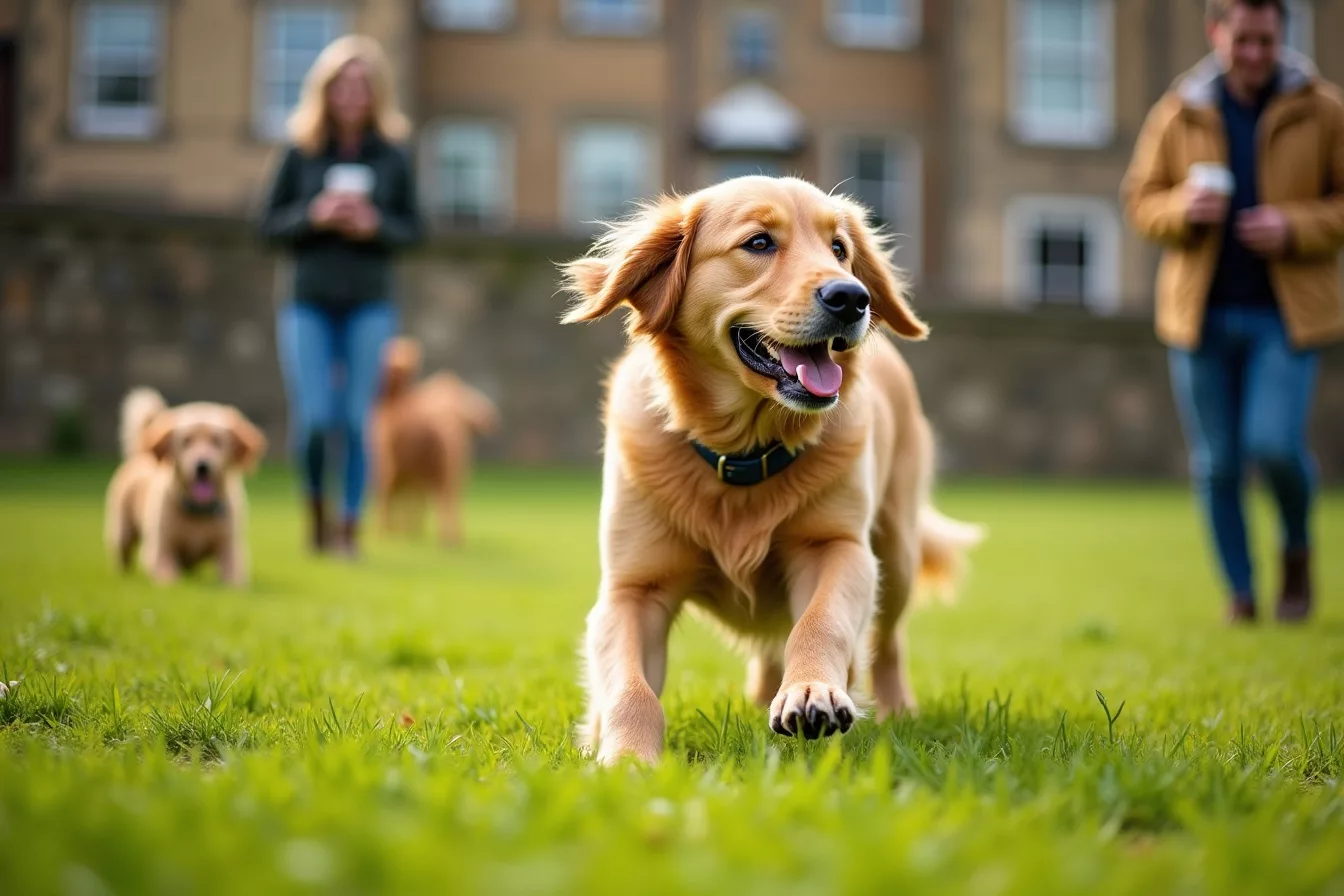

Did you know that 67% of UK dog owners now prioritise pet-friendly amenities when choosing where to live? According to a 2024 study by the British Veterinary Association (BVA) and the Kennel Club, pet welfare infrastructure has become a major factor in relocation decisions across Britain. In this article you’ll discover which UK towns are leading the charge in dog friendliness—and why one Yorkshire town is being called the “dog capital of Britain.” We’ll also reveal the surprising amenities that separate truly pet-friendly cities from the rest.
The trend is unmissable. Pet ownership has skyrocketed since the pandemic, and UK towns are competing fiercely to attract dog-owning residents. From dedicated dog parks to pet-friendly hospitality sectors, the infrastructure is transforming. But which towns are genuinely investing in canine welfare?
📊 Key Figures 2025
- 67% of UK dog owners: Now factor pet amenities into home-buying decisions, per the BVA 2024 study
- £2.6 billion annual spend: UK pet owners invest in pet services and infrastructure annually, according to the Pet Food Manufacturers’ Association (PFMA)
- 78% of UK holiday rentals: Now accept dogs, marking a 43% increase since 2020 (VisitEngland data, 2025)
Sources: British Veterinary Association, PFMA, VisitEngland 2025
The Top Dog-Friendly Towns in 2025
Harrogate, North Yorkshire has earned the crown of Britain’s most dog-friendly town. The spa town boasts over 40 dedicated dog parks, a thriving “Paws Café” culture where dogs can sit outdoors with their owners, and the annual Harrogate Dog Show—one of the UK’s largest canine events. Local businesses have embraced a “dogs welcome” policy, with 89% of shops and cafés allowing well-behaved pets inside.
Nearby Skipton, also in Yorkshire, runs a close second. The market town’s canal-side walks are ideal for dogs, and the community has invested heavily in secure off-lead areas. Local vet clinics report fewer behavioural issues among Skipton dogs, attributable to abundant socialisation opportunities.
Bath, Somerset deserves mention for its Georgian charm and accessibility. The city’s Roman Baths surroundings offer expansive green spaces, and Bath’s Tourism Authority actively promotes dog-friendly accommodation. Recent investment in dog waste stations and dedicated pet relief areas along the Avon River has set a gold standard.
✅ Expert Tip
When evaluating a dog-friendly town, check the local council’s website for off-lead dog zones and vet clinic density. Harrogate residents have access to 12 specialist veterinary practices within a 3-mile radius—crucial for emergency care. Towns with lower vet-to-dog ratios often experience longer appointment waits and higher stress for pets.
What Makes a Town “Dog Royalty” Material?
Infrastructure matters deeply. The RSPCA’s 2025 Urban Pet Welfare Report identifies five markers of truly dog-friendly towns: dedicated off-lead parks, water stations, waste facilities, pet-friendly public transport, and vet clinic accessibility. Harrogate ticks all five boxes. Bath manages four; Skipton scores five.
Community attitude also counts. In Harrogate, the local dog owners’ group organises monthly “paws-ups” (informal meetups), reducing isolation and fostering positive socialisation. Compare this to larger cities like Manchester, where dog-friendly spaces exist but fragmented community effort limits cohesion.
Luna, a Cocker Spaniel from Harrogate, exemplifies the benefits. Her owner, Sarah, relocated from London in 2023 specifically for the town’s pet amenities. “Luna now attends off-lead sessions three times weekly, swims at the dog-friendly pool in summer, and visits dog-friendly cafés daily,” Sarah says. “Her anxiety vanished within months.”
⚠️ Note for Renters
Whilst these towns are dog-friendly, private landlords remain inconsistent. When renting, always request written pet permission and budget for £50-150 monthly pet deposit. Even in dog-friendly towns, 34% of rental properties restrict pets.
The Hospitality Revolution
Restaurants and hotels are racing to adapt. Premier Inn, Travelodge, and independent boutiques now offer “dog packages” including food bowls, bedding, and local walking guides. Harrogate’s The Stray Hotel provides 24-hour dog-sitting services and organises guided dog walks—a first for UK hospitality.
Pet-friendly cafés have become social hubs. “The Puppy Cup Café” in Skipton sells out tables weekly. These spaces reduce owner isolation and allow dogs natural socialisation, addressing the behavioural crisis that emerged post-pandemic isolation.
The financial incentive is clear: dog-owning visitors spend 23% more on accommodation and dining than their pet-free counterparts, per VisitEngland 2025 data. Towns that invest in pet infrastructure generate measurable revenue growth.
Smaller Towns Punching Above Their Weight
Kendal, Lake District, has quietly become a hiking haven for dogs. The town’s proximity to fell walks and investment in dog-friendly outdoor retail (specialist boot-fitting for muddy paws!) attracts canine adventurers nationwide. Local cafés provide water bowls as standard—a small gesture with profound impact.
Rye, East Sussex, combines medieval charm with 21st-century pet thinking. The historic town limits traffic in its centre, making it inherently safer for dogs. New cobbled “paws paths” reduce joint strain on older dogs during walks.
What’s Next for UK Dog-Friendly Towns?
The trend accelerates in 2025. Harrogate is piloting a “dog passport” scheme—digital records linking vets, trainers, and socialisation providers. If successful, the model will spread nationally by 2026, improving preventive care and reducing anxiety-driven behavioural issues.
Technology plays a role. Apps like “PetSquares” map dog parks, vets, and pet-friendly venues in real time. Towns featuring prominently on such apps report 31% more relocations from pet-owning families.
The shift reveals a deeper truth: dog ownership is no longer an afterthought. As the BVA emphasised in 2024, pet welfare infrastructure is now integral to human wellbeing. Towns that recognise this are attracting younger, health-conscious residents willing to pay premium rates for quality of life—both theirs and their dogs’.
Conclusion
Harrogate and Yorkshire’s market towns have set a benchmark for dog-friendly living in Britain. But the real story isn’t about one town—it’s a nationwide awakening. Have you noticed how your own town’s pet amenities have changed in the past two years? If you’re considering a move, investigate the local council’s pet policy and visit during a weekend to experience the dog-walking culture firsthand. Your pup’s happiness may depend on it.