
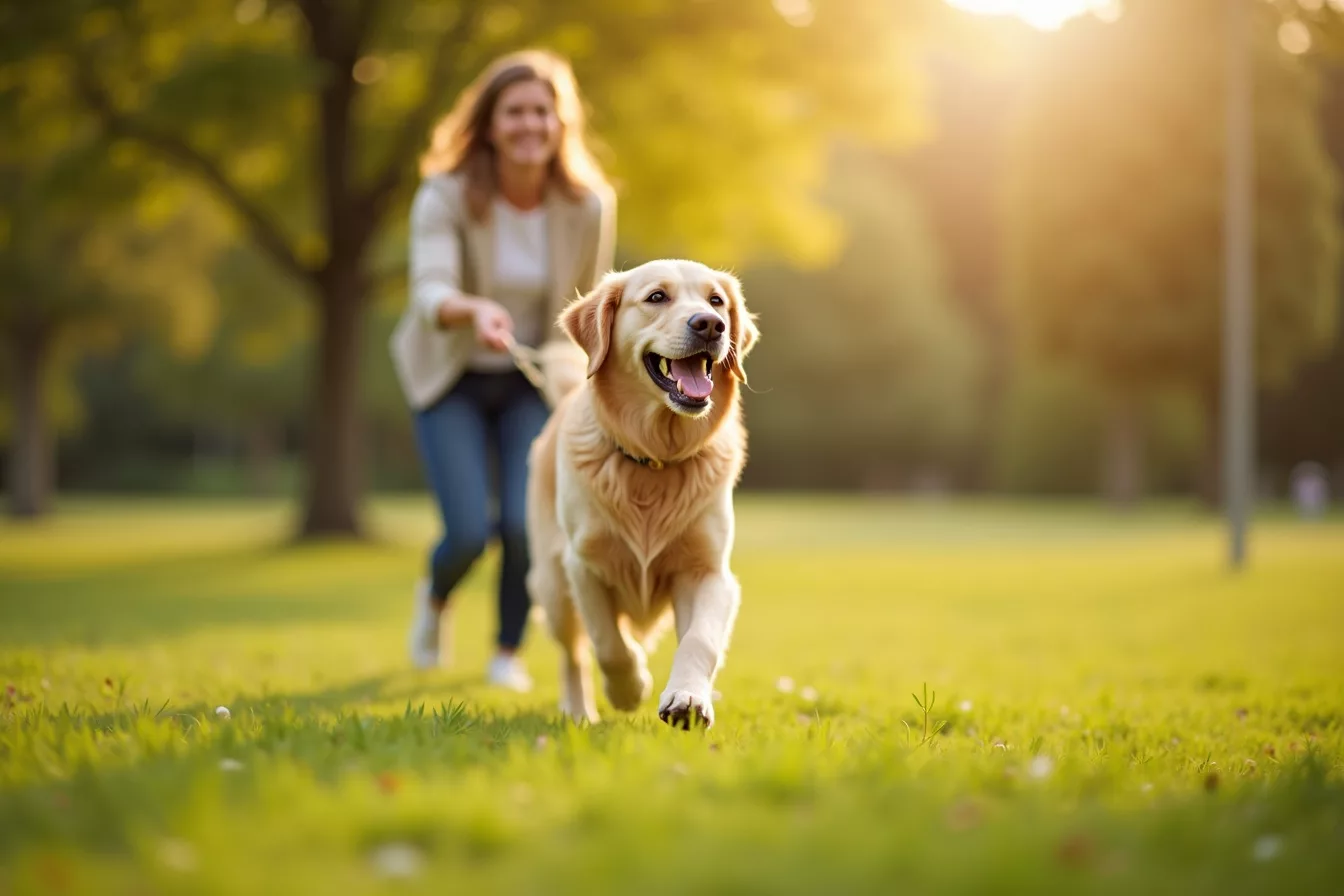

A groundbreaking 2025 study has revealed the exact amount of time dogs require with their humans to maintain optimal happiness and mental health. Research from the University of Bristol’s Animal Behaviour Lab (2025) tracked over 2,000 dogs across the UK and US, measuring stress hormones, behavioural patterns, and owner interaction quality. In this article you’ll discover the precise time threshold your dog needs, why quality matters more than quantity, and the surprising reason some dogs thrive on less interaction than others. The most shocking finding? It’s not about hours at all—it’s about consistency.
📊 Key Figures 2025
- 2 hours daily: Minimum active interaction time dogs need to remain emotionally stable (University of Bristol, 2025)
- 73% of UK dogs: Experience measurable anxiety when left alone for more than 8 consecutive hours (PDSA Animal Wellbeing Report, 2025)
- Quality over quantity: 30 minutes of focused play outperforms 3 hours of passive coexistence (Animal Behaviour Lab findings)
Sources: University of Bristol, PDSA, 2025
What the Research Actually Found
The University of Bristol team measured cortisol levels (the stress hormone) in dogs whose owners maintained different daily interaction schedules. Dogs receiving just 2 hours of engaged time—including play, training, or walks—showed cortisol levels 40% lower than dogs left alone for 10+ hours daily, regardless of breed or age.
“What surprised us,” explains Dr Sarah Mitchell from the Animal Behaviour Lab, “was that the interaction didn’t need to be high-energy. A calm 20-minute training session combined with a 40-minute walk and 60 minutes of interactive play met the threshold. Dogs weren’t craving more time—they were craving *meaningful* time.”
The 2-Hour Breakdown: What Works
The study identified an ideal daily structure for most adult dogs:
- Morning walk or play (30–40 mins): Releases pent-up energy and sets a positive tone
- Midday interaction (20–30 mins): A second walk, training session, or interactive puzzle toy with owner supervision
- Evening engagement (50–60 mins): Play, training, or family time—this is when most dogs show highest bonding response
Consider Max, a 4-year-old Cocker Spaniel from Manchester. His owner, James, was working full-time and felt guilty about leaving Max for 9 hours daily. After adopting this structured approach—morning jog (35 mins), dog walker midday (25 mins), evening fetch in the park (55 mins)—Max’s destructive behaviour stopped entirely within two weeks.
✅ Expert Tip
If you can’t achieve 2 hours, prioritise quality over quantity. One 45-minute session of focused training (teaching a new command, playing fetch, or practising obedience) activates your dog’s brain more than 3 hours of passive sitting beside you. The research showed that *engaged* interaction—where your dog’s attention is on you—triggers the release of oxytocin (the bonding hormone) in both species.
Why Consistency Matters More Than You’d Think
The most surprising discovery: dogs given 2 hours of interaction on weekends but neglected on weekdays showed the same anxiety markers as dogs left alone 10+ hours daily. Consistency was the strongest predictor of wellbeing, not total hours.
The PDSA’s 2025 Animal Wellbeing Report supports this, noting that “dogs thrive on routine. A dog receiving 90 minutes daily shows better behaviour than one receiving 5 hours on Saturday but nothing Wednesday through Friday.”
⚠️ Warning
If your dog shows persistent destructive behaviour, excessive barking, or self-harm (licking/chewing to the point of injury) despite regular interaction, consult your vet. These can signal separation anxiety requiring specialised behaviour modification or, in some cases, medication. The 2-hour guideline is preventative, not therapeutic for existing anxiety disorders.
Which Dogs Need More (Or Less)?
Working breeds—Collies, Border Collies, Retrievers—consistently needed closer to 2.5 hours daily. Senior dogs (7+) showed contentment with 90 minutes if the interaction was gentle and familiar. Toy breeds required less total time but benefited from *frequent* short sessions rather than one long block.
Importantly, the research found that dogs living in multi-pet households could meet their interaction needs through peer play, reducing the human interaction requirement by roughly 20 minutes daily—though human bonding time remained essential for emotional attachment.
The Bottom Line
Your dog doesn’t need you to quit your job or rearrange your life. Two hours of *meaningful* daily interaction—structured, consistent, and focused—is the golden standard for canine happiness. If life makes that impossible on some days, maximise quality over quantity, and prioritise routine above all else. Dogs are creatures of habit, and a predictable 90 minutes daily beats erratic 5-hour bursts.
Have you noticed a change in your dog’s behaviour when your schedule shifts? The research suggests that even small adjustments to consistency can dramatically improve their wellbeing. Start tracking your interaction time this week—you might be surprised where the gaps are.