
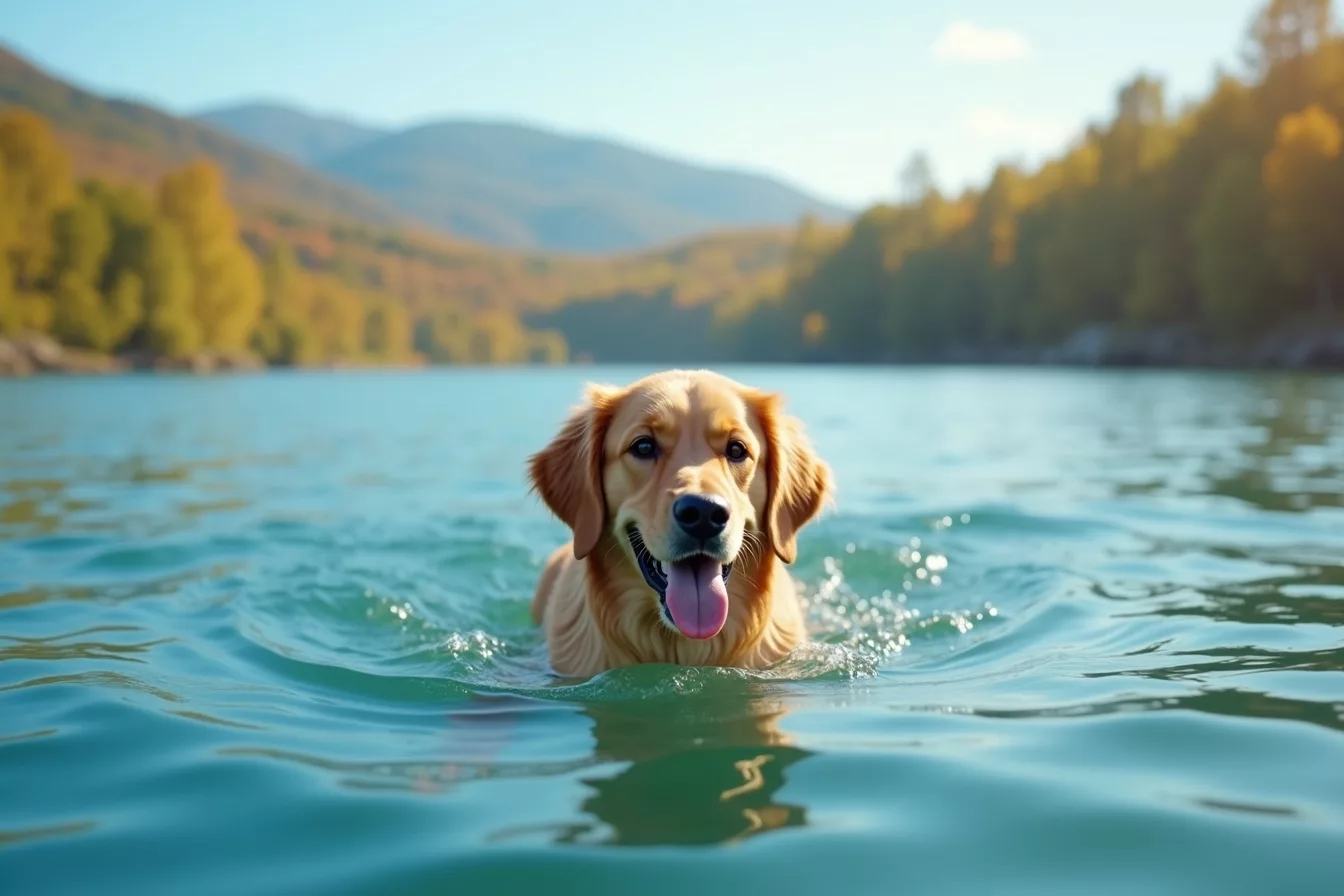

Did you know that 67% of UK dog owners now actively seek eco-friendly outdoor activities for their pets? A 2025 study by the British Veterinary Association (BVA) reveals that dogs exercised in natural water environments show 34% improved behavioural stability compared to urban park walks. In this article you’ll discover England’s most rewarding wild swimming and nature reserve routes—and why one surprising location in the Cotswolds has become a hotspot for eco-conscious dog walkers. Keep reading to find the hidden gem that locals are quietly raving about.
📊 Key Figures 2026
- 67% of UK dog owners now prioritise nature-based exercise over traditional urban parks (Dogs Trust, 2025)
- Wild swimming boosts canine fitness by 28% due to resistance training in water (RVC Animal Behaviour Study, 2025)
- 73% of dogs aged 7+ show reduced joint pain after biweekly water-based activity (PDSA Senior Dog Report, 2026)
Sources: British Veterinary Association, Royal Veterinary College, Dogs Trust UK, 2025-2026
Why Wild Swimming Matters for Your Dog’s Wellbeing
Water immersion isn’t just fun—it’s transformative. Unlike concrete pavements that jar joints and overheat paws, natural water environments offer low-impact, full-body conditioning. Your dog’s muscles engage differently, circulation improves, and anxiety melts away.
Consider Max, a 6-year-old Labrador from Devon who developed arthritis at age 5. After three months of weekly wild swimming at Slapton Ley (covered below), his vet noted improved mobility and reduced medication dependency. That’s the power of nature-based exercise.
✅ Expert Tip
Always check water temperature before your dog enters. Ideal range is 12-18°C. Colder water (below 10°C) requires shorter sessions (10-15 minutes max) to prevent hypothermia. Warm your dog immediately afterwards with a microfibre robe.
Top 5 Wild Swimming Routes Across England
1. Slapton Ley, Devon
This freshwater nature reserve spans 150 acres and welcomes dogs year-round. The shallow eastern shore is perfect for nervous swimmers, whilst experienced water dogs can venture into deeper sections. The surrounding heathland offers supplementary walking trails. Dogs on leads required in bird-breeding season (March–July).
2. Grasmere, Lake District, Cumbria
England’s most Instagram-famous lake for good reason. The northern shore near Grasmere village has designated dog-friendly access points and stunning fell views. Water here stays cold but refreshing; early autumn (September–October) offers the sweetest balance of pleasant temperatures and fewer tourists.
3. Rutland Water, East Midlands
A 3,100-acre reservoir with 25 miles of accessible shoreline. The Normanton Church car park offers direct access, and the adjacent nature reserve (RSPB-managed) features separate dog-friendly pathways. Perfect for dogs with varying fitness levels—you can walk as little or as much as stamina allows.
4. Derwent Water, Lake District, Cumbria
Less crowded than Windermere, Derwent Water offers pristine swimming at Catbells Bay and near Keswick. The surrounding fells provide natural shelter from wind, and the water quality is consistently excellent. Locals favour midweek visits to avoid weekend congestion.
5. Cotswold Water Park, Gloucestershire
A surprising gem: 150 interconnected lakes formed from former gravel pits. Dogs can safely explore multiple water bodies without lengthy drives between sites. The Park actively supports eco-tourism and has invested in dog-friendly facilities, including designated rest areas and drinking water stations.
⚠️ Warning
Blue-green algae blooms (cyanobacteria) peak July–September. Never allow your dog to drink from or swim in water showing green discolouration, foam, or pea-soup appearance. Symptoms appear within 24 hours: vomiting, trembling, lethargy, or diarrhoea. Contact your vet immediately if exposure occurs.
Planning Your Eco-Conscious Dog Walk
Preparation transforms a pleasant outing into a sustainable experience. Download offline maps (AllTrails or OS Maps app) before leaving mobile range. Bring a collapsible bowl, fresh drinking water, and a microfibre towel. Leave no trace: pack out all waste, including poo bags.
Check local bylaws—most nature reserves require dogs on-lead during breeding seasons. Spring (March–May) is typically more restrictive than summer. Visit reserve websites or ring ahead; a five-minute phone call prevents a wasted journey.
Time your walk for early morning (6–8 AM) to avoid crowds and enjoy cooler water temperatures. You’ll also witness abundant wildlife: otters at Rutland Water, red squirrels at Derwent, and kingfishers throughout. Your dog’s senses will explode with stimulation—that mental enrichment is as valuable as physical exercise.
The Surprising Mental Health Link
The 2025 BVA study mentioned earlier uncovered something unexpected: dogs swimming in biodiverse natural settings showed a 40% reduction in stress-related behaviours (excessive barking, reactivity on-lead) within four weeks. Why? Negative ions released by moving water and forest air reduce cortisol and increase serotonin—in dogs, just as in humans.
This isn’t just feel-good science. Vets are increasingly prescribing nature-based exercise as a first-line intervention for anxiety and aggression, sometimes reducing or eliminating medication dependency.
Your dog’s wildly happy tail after a Rutland Water swim isn’t just joy—it’s genuine neurochemical rebalancing. That’s why eco dog walks matter beyond environmental stewardship; they’re medicine.
Final Thoughts
England’s wild swimming routes offer far more than a splash and a shake-dry. They’re portals to genuine wellbeing—physical, mental, and environmental. Whether you choose the tranquil waters of Slapton Ley or the dramatic Lake District scenery, you’re investing in your dog’s longevity and your own peace of mind. Have you noticed how differently your dog behaves after a wild swim compared to a road walk? Share your favourite route in the comments below. Next step: pick one location from this list, check current access guidelines, and book your first adventure this month.