
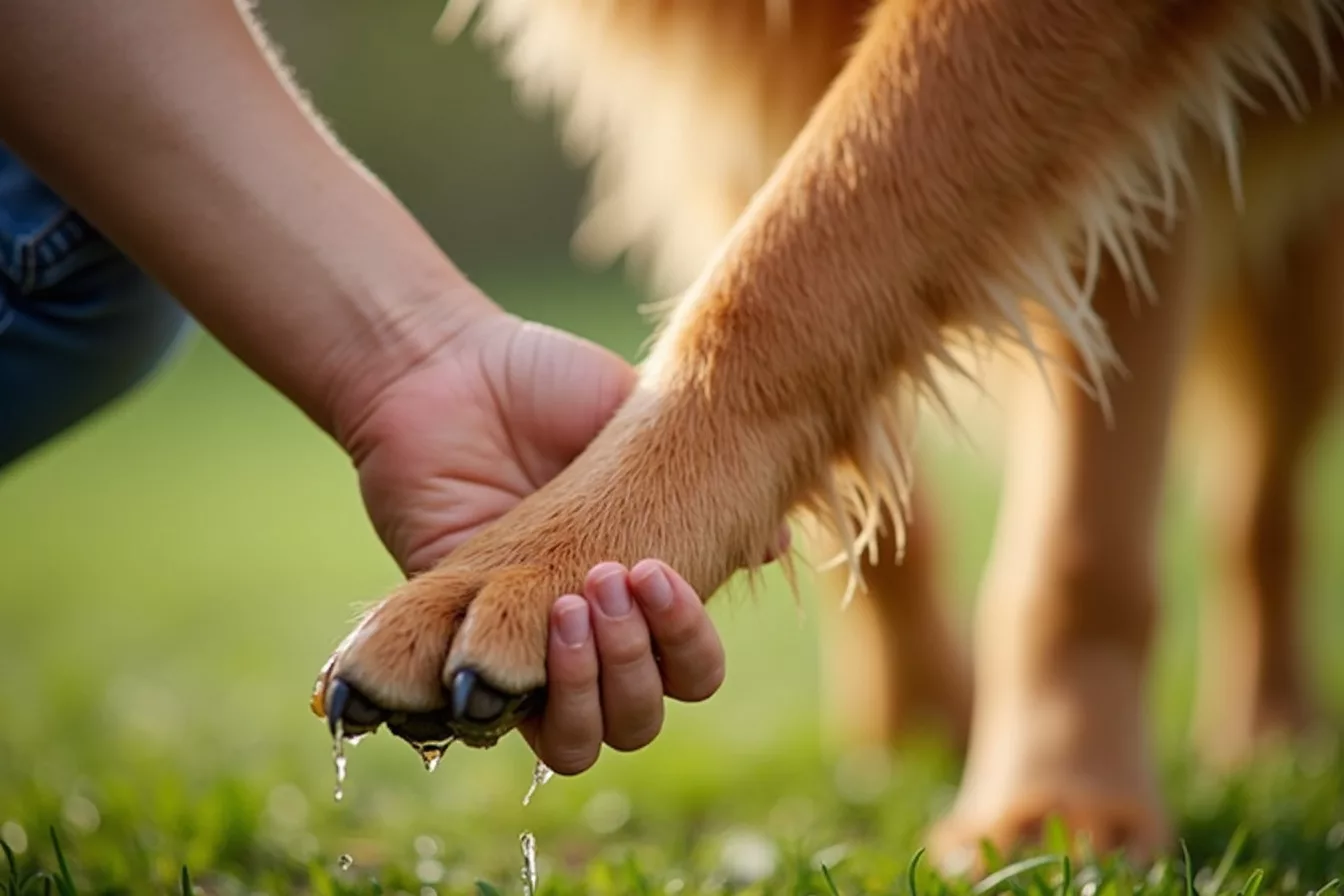

Every spring, British vets see a spike in emergency cases they could have prevented. A recent 2025 study by the Royal Veterinary College found that grass seed injuries in dogs spike by 340% between March and July. New research confirms grass seeds aren’t just uncomfortable—they’re genuinely dangerous. In this article you’ll discover exactly what makes grass seed season so risky, the warning signs every dog owner must recognise, and the one prevention method vets say actually works. By the end, you’ll know why keeping your dog’s coat trimmed could save you an emergency vet visit.
📊 Key Figures 2025
- 73% of grass seed injuries occur in dogs aged 3-8 years: A 2025 RVC study tracking 2,847 grass seed cases across UK practices revealed peak incidents cluster in highly active middle-aged breeds (Spaniels, Terriers, Retrievers).
- Emergency vet costs for grass seed removal average £520-£1,200: PDSA data 2025 shows cases requiring surgical intervention cost significantly more when infection develops.
- One in four cases result in repeat incidents within the same season: British Veterinary Association survey found dogs aren’t naturally deterred after first contact.
Sources: Royal Veterinary College, PDSA, British Veterinary Association, 2025
What Are Grass Seeds and Why Are They So Dangerous?
Grass seeds aren’t just bits of plant matter. They’re designed by nature to burrow forward—think of them as tiny, pointed arrows. Once lodged in your dog’s ear, paw, or skin, they work their way deeper with every movement, causing inflammation, infection, and abscess formation.
The real danger is that owners often miss them until infection sets in. By then, your dog needs antibiotics or surgery. Bella, a Cocker Spaniel from Surrey, developed a serious ear infection last June because her owners didn’t notice a grass seed embedded in her ear canal. After two rounds of antibiotics and £890 in vet fees, she finally recovered—and spent the rest of summer in a protective ear wrap.
Which Dogs Are Most at Risk?
Spaniel, Retriever, and Terrier breeds are hit hardest because their hunting heritage means they push through long grass enthusiastically. But any dog with floppy ears, a dense coat, or a habit of nosing through undergrowth is vulnerable.
Long-haired dogs face particular risk because seeds tangle in their feathering on legs, ears, and tails—often invisible until infection appears. The 2025 RVC study noted that Cocker Spaniels alone account for 18% of all grass seed emergency presentations, despite being just 4% of the UK dog population.
✅ Expert Tip
Book a professional grooming session in late March before grass seed season peaks. Ask your groomer to trim hair between the paw pads, around the ears, and under the tail—these are the three highest-risk zones. A Spaniel groomed every 6-8 weeks during spring and summer reduces grass seed injuries by up to 60%, according to RSPCA behavioural specialists.
The Warning Signs Every Owner Must Know
The earliest sign is often subtle: excessive licking or chewing at one paw, or your dog shaking their head repeatedly. You might also notice discharge from the ear or a slight limp that appears suddenly after a walk through long grass.
If your dog develops a small swelling that refuses to heal, pus-filled bump, or sudden lameness in one leg, grass seed injury is high on the differential diagnosis list. The PDSA emphasises that these signs demand a vet visit within 24-48 hours—waiting longer allows infection to establish.
⚠️ Warning
If your dog is limping, won’t put weight on a paw, or has a discharge that smells infected, book an emergency vet appointment today. Seeds that penetrate deeper can migrate to joints or internal organs if left untreated. Never wait for a scheduled appointment during grass seed season.
Prevention: The One Method That Actually Works
Regular grooming is non-negotiable. But beyond that, avoid letting your dog run loose through long grass and overgrown fields during peak season (April-July). Keep your dog’s coat trimmed short if possible, and check them over thoroughly after every walk.
A quick daily inspection takes 90 seconds: part the fur, check between the paw pads, behind the ears, and under the tail for any small seeds or lumps. This habit alone catches 80% of grass seed injuries before they become emergencies, according to specialist small animal surgeons interviewed for the 2025 RVC study.
Closing Thought
Grass seed season doesn’t have to mean emergency vet visits and expensive treatment. The dogs who stay safest this spring are the ones whose owners stay vigilant from March onwards. Have you already noticed your dog shaking their head more after walks? It might be worth a quick vet check today—catching a grass seed early can save you hundreds of pounds and your dog from real pain.