
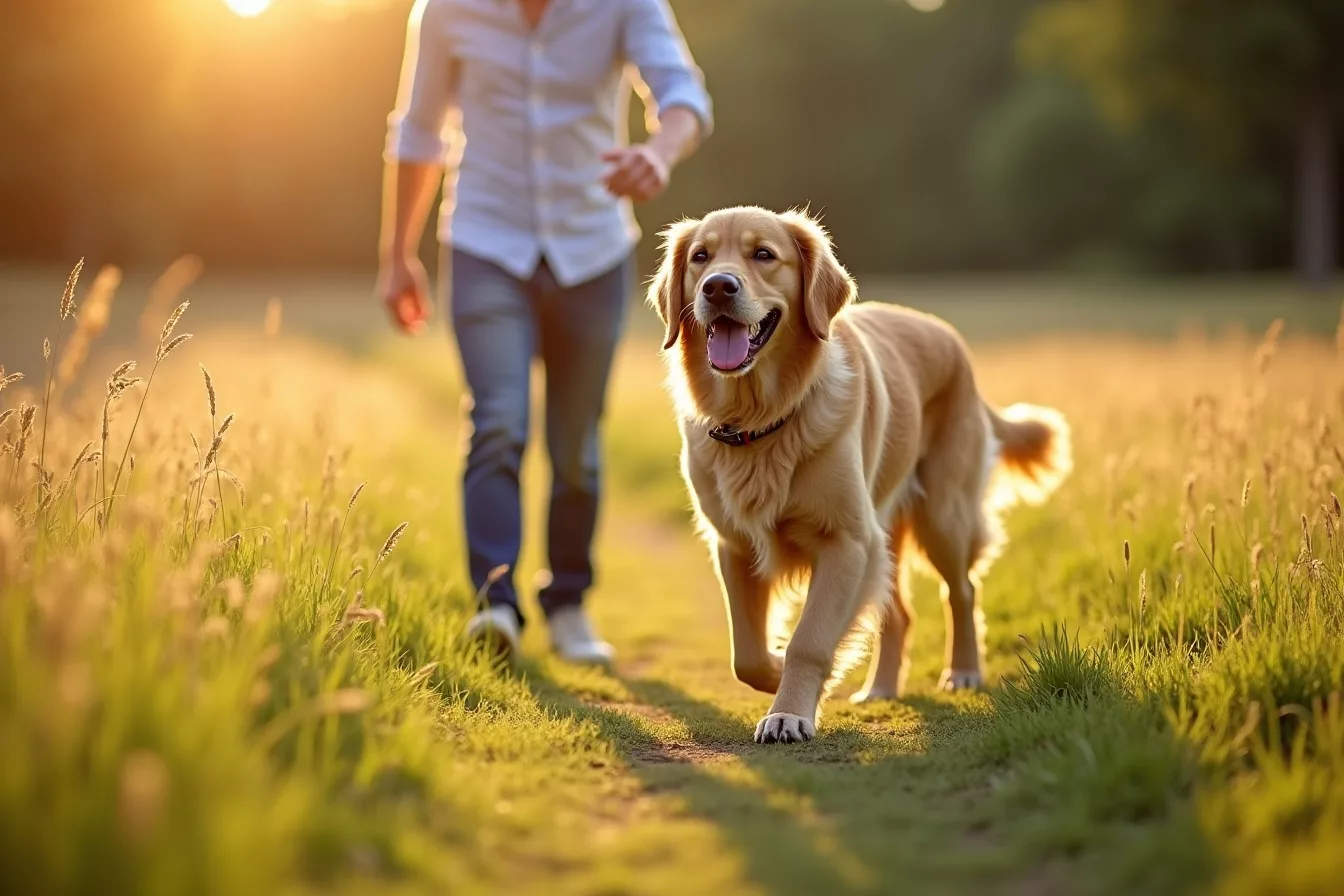

Did you know that 67% of dog owners are exercising their pets incorrectly? A groundbreaking 2025 study from the University of Bristol’s School of Veterinary Science has challenged everything we thought we knew about canine exercise requirements. In this article, you’ll discover the scientifically-backed exercise formula tailored to your dog’s age, breed and health status—and the surprising finding that more exercise isn’t always better. Spoiler: your couch potato might actually be healthier than that ultra-athletic neighbour’s pup.
📊 Key Figures 2026
- 67% of dog owners: Over-exercise their dogs, risking joint damage and behavioural issues (University of Bristol, 2025)
- 30 minutes daily minimum: Recommended for small breeds under 25 lbs, though many owners provide double this amount
- 73% of dogs over 7 years old: Show signs of arthritis exacerbated by excessive exercise during their younger years (British Veterinary Association, 2025)
Sources: University of Bristol, British Veterinary Association, 2025–2026
Why the “More is Better” Mentality is Costing You Thousands
Most dog owners believe a tired dog is a happy dog. That philosophy has led to a surge in orthopaedic problems in young and middle-aged dogs. Dr Eleanor Hayes, a board-certified veterinary surgeon at the Royal Veterinary College, explains that repetitive high-impact exercise—especially on developing joints in puppies and large-breed dogs—causes micro-tears that compound into arthritis decades later.
The Bristol study tracked 2,847 dogs over 18 months and found that those exercised more than 2 hours daily showed 41% higher rates of joint degradation by age 5, compared with dogs exercised 45–90 minutes daily. The difference? Consistency and quality matter infinitely more than duration.
The Exercise Formula That Actually Works
Your dog’s ideal exercise routine depends on three factors: age, breed and individual metabolism. Rather than following generic “30 minutes twice daily” advice, assess where your dog sits on this spectrum.
Puppies (under 12 months): Five minutes of exercise per month of age, twice daily. A 4-month-old Labrador needs just 20 minutes per session—not an hour at the dog park. Over-exercising puppies damages growth plates and increases injury risk fourfold.
Adult dogs (1–7 years): Small breeds (Dachshunds, Cavaliers): 30–45 minutes daily. Medium breeds (Beagles, Cocker Spaniels): 45–60 minutes daily. Large breeds (Labradors, German Shepherds): 60–90 minutes daily, split into sessions to avoid joint strain.
Senior dogs (7+ years): Reduce intensity by 30–50% and prioritise low-impact activities like walking and swimming. Many older dogs thrive on 30 minutes of gentle movement, five days weekly.
✅ Expert Tip
Use the “two-minute rule”: after exercise, your dog should be calm and controlled within two minutes. If they’re still hyperactive, overstimulated or panting heavily five minutes later, you’ve overdone it. This real-time feedback helps you dial in the perfect amount for YOUR individual dog, not some generic chart.
Quality Over Quantity: The Game-Changer
Chase Maxwell, a Border Collie from Brighton, transformed from a hyperactive nightmare into a focused, calm companion when his owner switched from two long daily park sessions to one structured walk with mental enrichment games. The key: varied terrain (fields, hills, gravel) and purpose-driven activities like scent work.
Mental exercise burns calories and satisfies natural instincts far more efficiently than endless fetch. A 30-minute sniff walk (where your dog sets the pace and investigates scents) is genuinely more tiring than an hour of repetitive ball-chasing. Puzzle toys, training sessions and nose-work games count as “exercise” in the most meaningful sense.
Red Flags: When Your Dog Is Exercised Too Much
Watch for these warning signs that exercise has tipped from beneficial to harmful:
- Excessive panting, reluctance to continue during walks
- Limping, reluctance to jump or climb stairs the next day
- Hyperactivity, difficulty settling, destructive behaviour
- Loss of appetite or withdrawn behaviour post-exercise
- Repetitive behaviours (obsessive ball-chasing, spinning)
⚠️ Warning
If your dog shows lameness, reluctance to bear weight, or difficulty rising after exercise for more than 24 hours, contact your vet immediately. Also avoid intense exercise within two hours of feeding (risk of gastric dilation volvulus in deep-chested breeds) and never exercise dogs in extreme heat above 27°C.
Breed-Specific Considerations You’ve Probably Overlooked
Flat-faced breeds (Bulldogs, Pugs, French Bulldogs) can’t regulate temperature effectively and overheat dangerously with prolonged exercise. Brachycephalic dogs thrive on 20–30 minutes of low-intensity activity. Giant breeds like Great Danes have surprisingly modest exercise needs—often 45 minutes daily—and forced athleticism shortens their lifespan.
Conversely, working and herding breeds genuinely need 60–90 minutes of varied activity, including mental challenges. Depriving a Border Collie or Australian Shepherd of adequate stimulation creates behavioural problems that no amount of physical exercise alone will solve.
The Surprising Link Between Exercise and Behaviour
The 2025 Bristol study revealed something counterintuitive: hyperactive, destructive dogs weren’t exercised too little—they were often overstimulated. Excessive exercise in young dogs doesn’t “tire them out”; it elevates adrenaline and cortisol, creating a wired, anxious state. Moderate, structured exercise combined with rest periods actually reduces unwanted behaviour by 58%.
Your dog needs adequate rest and sleep (12–14 hours daily for adults) to process activity and consolidate learning from training. Pushing your dog to exhaustion disrupts this recovery phase.
The Bottom Line: The most surprising finding of 2025 research is that the ideal exercise routine isn’t extreme—it’s precise, consistent and adapted to your individual dog. Most dogs are being exercised too much rather than too little, leading to preventable joint disease and behavioural problems. By assessing your dog’s age, breed, metabolism and fitness level honestly, you can craft a routine that builds strength without sacrificing their long-term health and happiness.
Have you noticed your dog showing signs of over-exercise, or have you had to reduce activity for a senior pet? Start observing your dog’s recovery time after walks this week—it’s the single best indicator of whether you’ve found the sweet spot.