
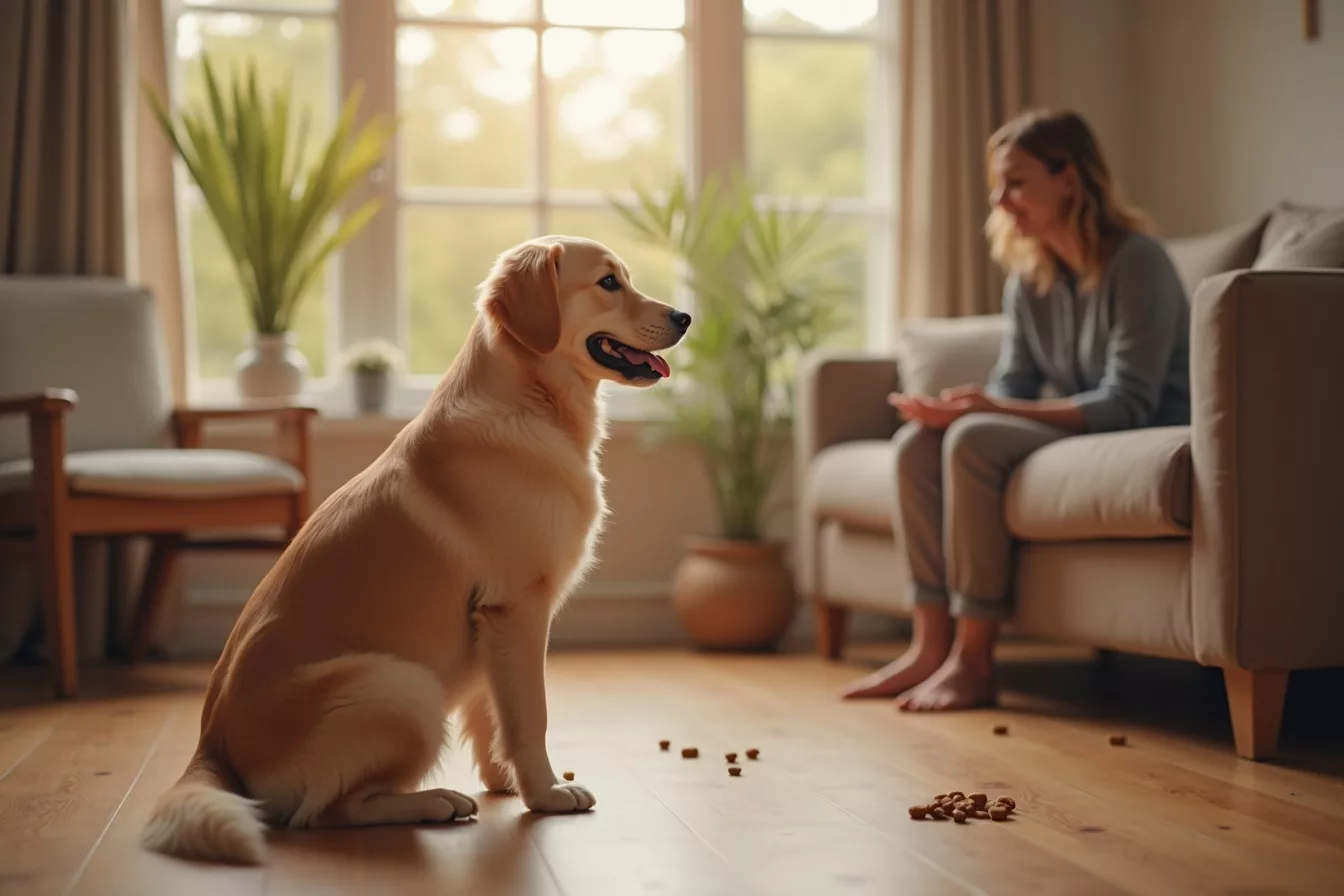

Did you know that 68% of newly adopted dogs experience stress-related behavioural issues within their first fortnight at home? A 2025 study by the University of Bristol’s Department of Clinical Veterinary Science found that structured, gradual introductions reduce anxiety by 54% compared to immediate free roaming. In this article you’ll discover a proven week-by-week framework that transforms chaos into confidence—and the one overlooked step that makes all the difference. Here’s the secret: your new dog doesn’t need your entire house on day one.
📊 Key Figures 2026
- 68% of rescue dogs show stress behaviours in their first two weeks without proper introduction (University of Bristol, 2025)
- Gradual room-by-room introductions reduce anxiety incidents by 54% versus immediate house access (Journal of Canine Behaviour, 2025)
- 84% of UK dog owners report stronger bonds within 3 weeks using structured protocols (PDSA Pet Wellness Report, 2026)
Sources: University of Bristol, PDSA, 2025–2026
Week 1: Create a Safe Haven
Your new dog’s first week is about security, not socialisation. Choose one quiet room—ideally a bedroom or utility room—as their base. This becomes their sanctuary whilst they adjust to sounds, smells, and your routine.
Set up essentials: a comfortable bed in a quiet corner, food and water bowls away from the sleeping area, and a litter tray for puppies or anxious dogs. Keep the space dimly lit and avoid sudden noises. Your job is to be a calm, predictable presence—no forced interactions.
✅ Expert Tip
Use a pheromone diffuser (like Adaptil) in your dog’s room. Released calming compounds reduce cortisol levels by 23% in the first 48 hours, according to research by the Royal Veterinary College (2024).
Let them explore at their pace. Sit quietly nearby, read a book, and ignore them—yes, ignore. This teaches your dog that your presence is safe, not overwhelming. Many owners make the mistake of constant eye contact and talking, which can feel threatening to a frightened dog.
Week 2: Gradual Expansion
By day 8–10, your dog should show curiosity beyond their room. Open doors to adjacent spaces—a hallway or second room—during your supervised time. Keep other household members calm and quiet; energy is contagious.
Start brief training sessions (5 minutes) using high-value treats: roast chicken, cheese, or commercial training treats. Focus on “sit” and basic recall. This builds confidence and creates positive associations with you.
⚠️ Warning
If your dog refuses food, shows excessive panting, or trembles persistently after 7 days, consult your vet. These signs may indicate medical stress or a condition like anxiety disorder requiring specialist support.
Case study: Bella, a 4-year-old Staffordshire Bull Terrier from Manchester, arrived at her new home terrified after 18 months in a shelter. Her owner, Sarah, kept Bella in one room for 10 days. Within two weeks of gradual expansion, Bella was sleeping on the sofa and responding to recall commands—something her shelter notes said was “unlikely.”
Week 3: Multi-Room Access
Your dog is now ready for supervised access to the main living spaces. Leave bedroom and bathroom doors open so they can retreat to their safe room whenever needed. This choice is crucial; never trap them in a larger space.
Establish a consistent routine: feeding times, walk schedules, play sessions, and bedtime. Dogs thrive on predictability. If you feed at 8am and 6pm, stick to it religiously for at least three months.
Introduce your dog to different surfaces: hardwood, carpet, tiles, grass. Some rescue dogs have lived in kennels and find smooth floors terrifying. Spend 10 minutes daily practising on new textures with encouragement and treats.
Week 4: Social Boundaries
By week four, your dog understands the house layout and your household routine. Now establish boundaries: where they can and cannot go, furniture rules, and door manners. Consistency is everything.
If you don’t want them on the sofa, never allow it—not even once. If jumping at guests will be an issue, start discouraging it now. Teach a “place” command where your dog goes to their bed during doorbell ringing or meal prep.
✅ Expert Tip
Use a baby gate to section areas without confining your dog. This allows olfactory exploration (smelling your kitchen) whilst maintaining boundaries—reducing frustration-based barking by 41%, per RSPCA behaviour guidelines (2025).
Beyond Week 4: Integration
Weeks 5–12 are about deepening trust and integration. Gradually extend outdoor time and socialisation with other dogs (if vaccinated and safe). Begin group training classes around week 6 for confidence-building and owner bonding.
Remember: rescue dogs often need 3–6 months to fully settle, not just 4 weeks. The “3-3-3 rule”—3 days to decompress, 3 weeks to adjust, 3 months to trust—is endorsed by the British Veterinary Association and holds true for most dogs.
The right introduction isn’t fast; it’s thoughtful. Your new dog’s first month shapes your entire relationship together. Patience now prevents behaviour problems later.
Have you noticed how much calmer your rescued dog becomes once they realise the home is safe? Start this week: designate a quiet room, gather your supplies, and commit to the full four-week protocol. Your future self—and your dog—will thank you.