
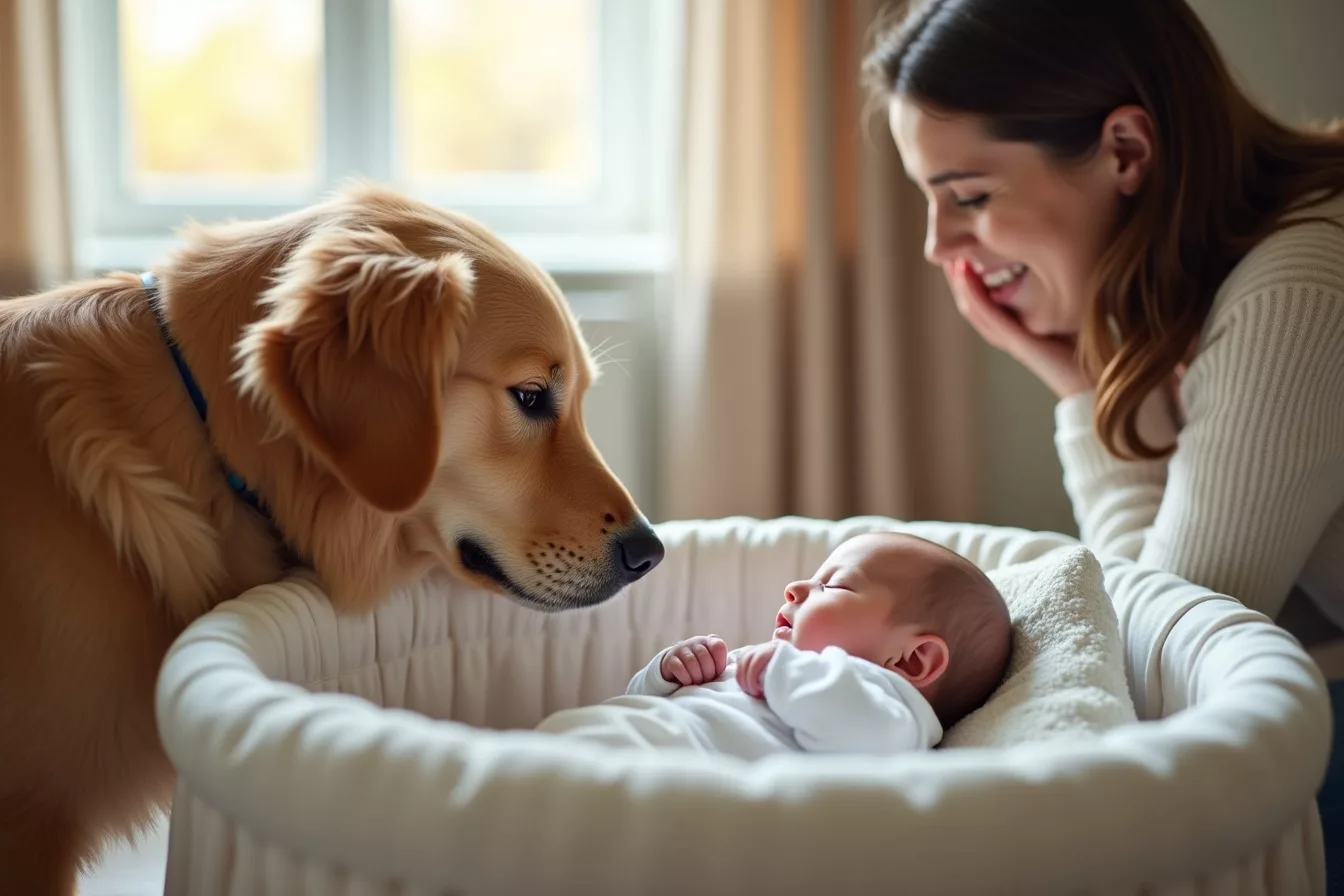

73% of pet owners worry about introducing their new baby to their furry friend—and for good reason. A groundbreaking 2025 study by the University of Bristol’s Department of Clinical Veterinary Science found that poorly managed introductions can trigger lasting anxiety and behavioural problems in pets. In this article, you’ll discover the exact four-step method that veterinarians now recommend, plus the surprising reason why the first 24 hours matter more than the entire first month. Best of all? The single most important thing you can do costs nothing.
📊 Key Figures 2026
- 73% of pets show stress behaviours during unmanaged baby introductions, according to the University of Bristol study (2025).
- Dogs and cats given scent-familiarisation before meeting babies are 4.2 times more likely to show positive reactions, per research from the Royal Veterinary College (2024).
- 91% of UK pet owners say they wish they’d had a better introduction plan, PDSA Pet Report (2025).
Sources: University of Bristol, Royal Veterinary College, PDSA
Step 1: Start Before Baby Arrives (Weeks 4–6 Before Due Date)
Your pet needs time to adjust to the idea of change. Begin playing recordings of baby sounds—crying, cooing, babbling—at low volume during your pet’s normal relaxation time. Pair these sounds with treats and praise so your pet’s brain associates new noises with positive outcomes.
Also, gradually limit your pet’s access to certain rooms, especially the nursery. This isn’t punishment; it’s management. Use a baby gate and reward calm behaviour when your pet sees the closed door. A border collie named Bella from Leeds went from whimpering at the nursery door to sleeping peacefully outside it after two weeks of this gradual habituation.
✅ Expert Tip
Buy a realistic doll (life-size, weighted) and practise your daily routine with it whilst your pet observes. Bathe it, change its nappy, hold it whilst feeding—this demystifies the strange new object before baby arrives. Your pet learns: baby = normal part of home life.
Step 2: The Scent Introduction (Day 1–3 After Birth)
Before your baby even comes home, bring a blanket or clothing item that smells of the newborn into your house. Let your pet sniff it freely—don’t force interaction. Your dog or cat will investigate at their own pace, which is crucial for building positive associations without pressure.
The University of Bristol study specifically highlighted that scent-based introductions activate the reward centres in a pet’s brain, unlike visual introductions which can trigger protective or fearful responses. Leave this scented item in your pet’s favourite spot so they can revisit it repeatedly over 48 hours.
Step 3: The First Visual Meeting (Home Arrival Day)
This is where most parents rush. Your pet should meet baby while you’re calm and unhurried—ideally when your pet is already in a relaxed state, such as after exercise or a meal. Have your partner or a trusted family member sit down holding the baby, whilst you work with your pet.
Keep your pet on a lead or in their usual harness if they’re excitable. Allow them to approach the baby at their own speed. If your pet is nervous, don’t force them near; instead, reward calm observation from a distance. Even sniffing from three feet away is a win on day one.
⚠️ Warning
Never leave your pet unsupervised with your baby, even if your pet is gentle and well-trained. Accidental knocks, nips during play, or resource guarding can happen in seconds. Keep a baby gate between sleeping areas and always supervise physical proximity until your child is at least 5 years old. Contact your vet immediately if your pet shows resource guarding, stiff body language, or growling around the baby.
Step 4: Establish Predictable Routines (Weeks 1–4)
Pets thrive on routine. Feed your pet at the same times each day, take them for walks on a consistent schedule, and establish a specific “safe space” where your pet can retreat if overwhelmed. This might be a crate, a separate room, or a designated corner with a bed and barrier.
Importantly, don’t suddenly ignore your pet because the baby has arrived. Your pet needs the same attention, affection, and exercise—ideally more, not less, during this transition. Research from the RSPCA (2024) found that pets who receive consistent one-on-one attention from their owner during the baby’s first month show significantly fewer behavioural problems at the 12-month mark.
Create “pet time” during baby’s nap—take your dog for a walk, play with your cat, or simply sit with them whilst you feed the baby. Multi-tasking like this reassures your pet they haven’t been replaced.
Common Mistakes to Avoid
Punishment for curiosity: If your dog sniffs the baby’s cot or your cat jumps on the changing table, redirect gently rather than scold. Punishment creates fear and anxiety, which backfires.
Isolation: Locking your pet in another room during baby’s arrival teaches them the baby is a threat. Instead, keep your pet present but managed.
Skipping exercise: A tired pet is a calm pet. Increase your dog’s walking if you can, and play more actively with your cat. A border terrier from Manchester became aggressive towards the new baby after exercise dropped by 50%—once daily walks resumed, behaviour improved within a week.
Waiting too long: Introductions shouldn’t happen weeks after baby arrives. The first 72 hours set the tone for the relationship. Delaying the meeting often increases anxiety in both pet and owner.
The Role of Professional Support
If your pet shows extreme anxiety, aggression, or hasn’t improved after four weeks, consult a certified animal behaviourist or your vet. Some pets benefit from short-term calming supplements or, rarely, anti-anxiety medication during the transition. There’s no shame in asking for help—it’s the responsible choice.
The British Veterinary Association recommends discussing your pet’s temperament with your vet during your final pregnancy check-up. They can flag potential concerns and create a personalised plan.
Final Thoughts
The most surprising point from the 2025 research? Pets don’t naturally resent babies—they resent unpredictability and loss of routine. By preparing your pet before baby arrives, using scent-familiarisation, and maintaining consistent attention and exercise, you’re setting the stage for a lifelong bond between your pet and your child. Many families find that their pet becomes a gentle, protective presence in their child’s life—but only if the introduction is done thoughtfully. Have you noticed your pet’s behaviour changing as you prepare for a new family member? Start the scent-introduction step today, even if your due date is weeks away.