
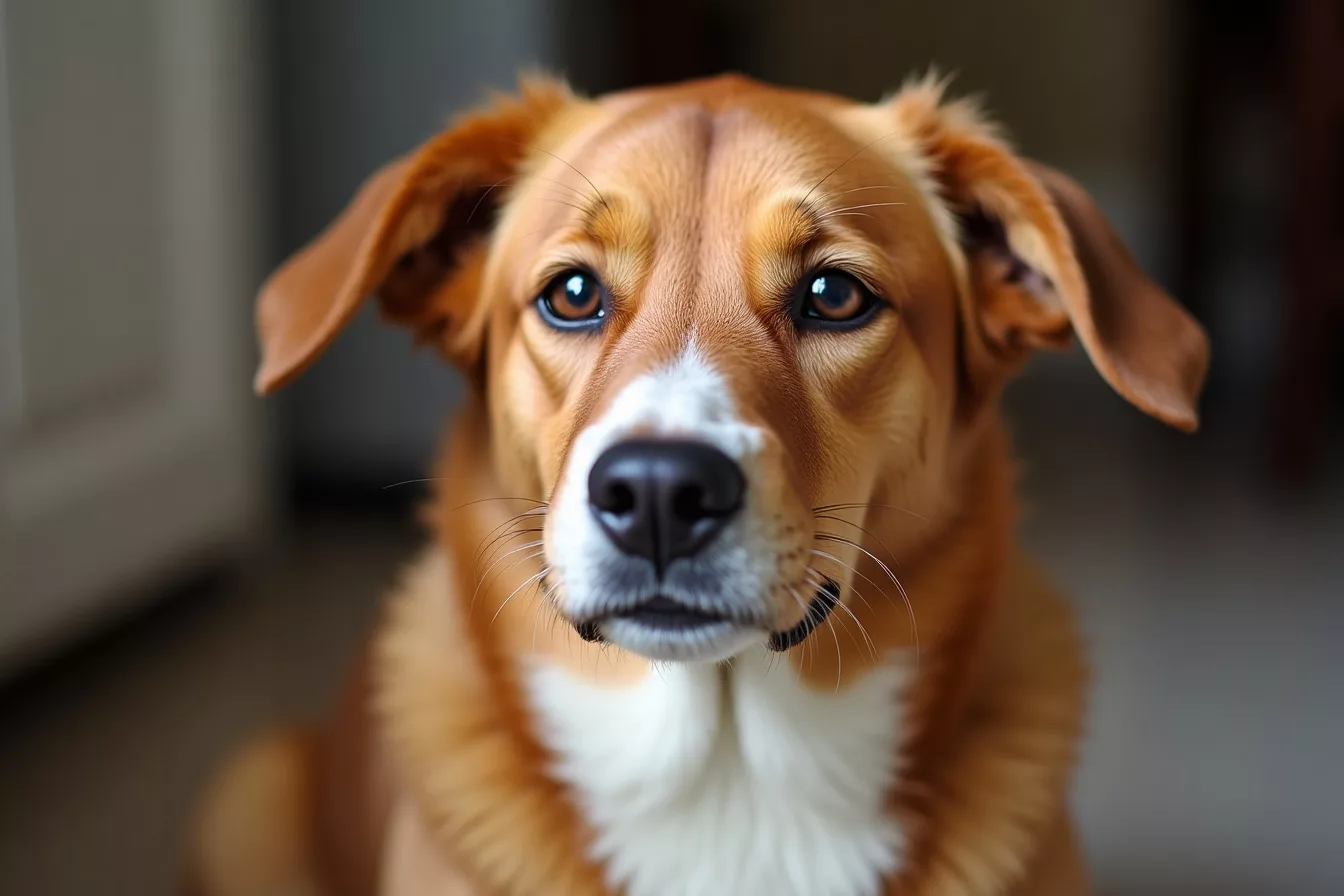

Did you know that 68% of dog owners misinterpret their pet’s body language at least once a week? A landmark 2025 study from the Royal Veterinary College found that miscommunication between dogs and owners is the leading cause of preventable behavioural issues in UK households. In this article you’ll discover the 12 most critical body language signals—and what your dog is actually trying to tell you. Most surprisingly, the signal you think means happiness might actually signal stress.
Why Reading Canine Body Language Matters
Your dog cannot speak English, but they’re constantly communicating through their body. Learning to interpret these signals prevents anxiety, reduces bites, and deepens your bond. Ignoring subtle warnings is dangerous—for both you and your pet.
📊 Key Figures 2026
- 68% of dog owners misread their pet’s signals weekly, leading to preventable conflicts (Royal Veterinary College, 2025)
- 73% of dog bites could be prevented if owners recognised warning signs like lip licking and yawning (PDSA Behaviour Report, 2025)
Sources: Royal Veterinary College, PDSA, 2025–2026
Signal 1: The Play Bow (Happy, Wants to Engage)
Front legs stretched low, bottom in the air, tail wagging—this is genuine invitation to play. Your dog is saying, “Let’s have fun!” This is one of the clearest positive signals.
Signal 2: Lip Licking and Yawning (Stress or Discomfort)
Contrary to what many owners believe, excessive lip licking and yawning are not signs of tiredness—they’re calming behaviours. Your dog is anxious. Perhaps a stranger is approaching, or a vet visit looms. Milo, a Golden Retriever from Birmingham, would lip-lick for 30 seconds before his owner’s partner arrived; his owner finally recognised this meant anxiety, not happiness.
✅ Expert Tip
If your dog licks their lips repeatedly in a non-feeding context, create distance from whatever’s causing stress. Remove them from the situation, offer a safe space, and never force interaction.
Signal 3: Whale Eye (Fear or Uncertainty)
When you see the whites of your dog’s eyes (the sclera), they’re worried. This is often paired with a tense body and ears pinned back. Whale eye means your dog is uncomfortable and may snap if pushed further.
Signal 4: Tail Position—Low, High, or Tucked
A tail between the legs signals fear. A high, stiff tail can indicate arousal (positive or negative—context matters). A relaxed, mid-level wag means contentment. Don’t assume all tail wagging is friendly.
Signal 5: Stiff Body and Locked Gaze (Threat Assessment)
If your dog stands rigid, muscles tense, staring directly at another dog or person without blinking, they’re assessing a threat. This is a pre-bite warning. Interrupt immediately by creating distance.
Signal 6: Play Growling vs. Warning Growl
Play growls are soft, rhythmic, and paired with bouncy movement. Warning growls are low, sustained, and accompanied by a stiff posture and bared teeth. Never ignore a warning growl—your dog is saying “Back off.”
Signal 7: Ears Position (Alert, Relaxed, or Fearful)
Forward ears mean interest or alertness. Pinned-back ears suggest fear, submission, or appeasement. Floppy-eared breeds require closer observation of ear base movement.
⚠️ Warning
If your dog shows multiple stress signals simultaneously—whale eye, lip licking, pinned ears, and tucked tail—remove them from the situation immediately. If warning growls escalate to lunging or snapping, consult a certified behaviourist and your vet to rule out pain or medical causes.
Signal 8: Yawning When Not Tired (Stress Signal)
A yawn in the middle of a tense situation is a stress response, not fatigue. Your dog is self-soothing. This is common at the vet, during thunderstorms, or when unfamiliar people enter the home.
Signal 9: Sniffing the Ground Excessively
When your dog suddenly drops their head and sniffs intensely during a social interaction, they’re avoiding eye contact and de-escalating. It’s a polite way of saying, “I want to avoid conflict.”
Signal 10: Play Bowing Without Follow-Up Movement
A play bow held for more than 2 seconds without bouncing or chasing may indicate confusion or uncertainty rather than genuine play invitation. Your dog might be unsure about the other dog’s intentions.
Signal 11: Piloerection (Raised Hackles)
Hair standing on end along the spine signals high arousal—not always aggression. Your dog could be excited, fearful, or defensive. Pair this with other signals to interpret accurately.
Signal 12: Soft Eyes and Relaxed Mouth (Contentment)
Slightly squinted eyes, a closed or gently open mouth, and a relaxed facial expression mean your dog is truly comfortable and trusts their environment. This is the opposite of tension.
✅ Expert Tip
Always read body language in context. A tail wag near a door might mean excitement, but the same wag with stiff legs and whale eye means arousal mixed with uncertainty. Observe the whole picture: ears, eyes, mouth, posture, and tail together.
The Importance of Recognising Stress Signals Early
Dogs rarely bite without warning. The 2025 PDSA report found that owners who learned to identify five or more stress signals reduced unwanted behaviours by 64% within three months. Early recognition lets you prevent escalation before anyone gets hurt.
What to Do When You Spot a Warning Signal
Create distance, offer a safe space, and never force your dog into an uncomfortable situation. If your dog shows persistent stress signals, contact a certified behaviourist (look for the International Association of Canine Professionals or ABTC accreditation). Your vet should also rule out pain or illness, as hidden discomfort changes behaviour dramatically.
The most surprising discovery most dog owners make is that their dog’s “smile” (a pulled-back mouth showing teeth) isn’t happiness—it’s often appeasement or fear. Your dog’s behaviour speaks volumes; you just need to learn the language. Have you noticed your dog doing any of these signals? Start watching their ears and eyes during your next walk, and you’ll see communication you’ve been missing all along.