
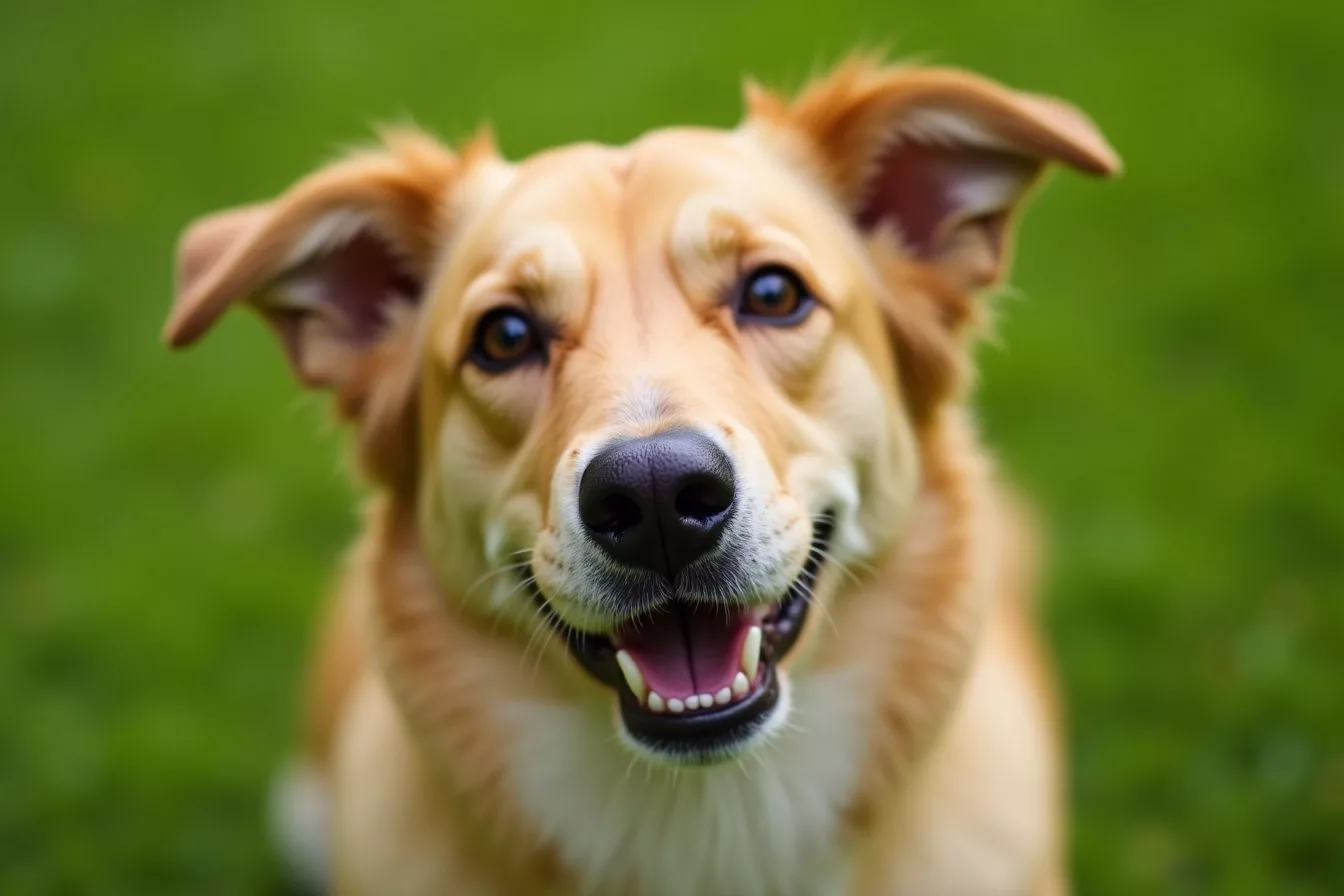

Did you know that 68% of dog owners misinterpret their pet’s body language at least once a week? A groundbreaking 2025 study by the Royal Veterinary College reveals that communication breakdowns between dogs and their humans often lead to preventable stress and anxiety in both species. In this article you’ll discover 12 crucial signals your dog is sending—and what they really mean. By the end, you’ll understand why a wagging tail isn’t always a sign of happiness.
📊 Key Figures 2026
- 68% of UK dog owners admit they’ve misread their dog’s signals, often missing signs of stress or fear (Royal Veterinary College, 2025)
- 73% of dogs over 7 years old show subtle posture changes that owners frequently overlook, potentially delaying diagnosis of pain or illness (PDSA Wellbeing Report, 2025)
Sources: Royal Veterinary College, PDSA
1. The Stiff Tail: Not Always Happiness
A tail held high and rigid—not the friendly wag—often signals tension or dominance. Your dog isn’t celebrating; they’re on high alert. This posture commonly appears when dogs feel threatened or are asserting control over their environment.
2. Whale Eye (The Whites Showing)
When you see the whites of your dog’s eyes, they’re communicating fear, stress, or discomfort. This is one of the most overlooked signals. If Max, a Labrador from Manchester, starts showing whale eye during nail trimming, he’s telling you he’s anxious—not misbehaving.
✅ Expert Tip
Photograph your dog’s eyes in different emotional states. Compare them side-by-side: relaxed eyes have darker pupils and no sclera visible. Stressed eyes show white crescent moons. Keep these photos on your phone for quick reference when you’re unsure.
3. Lip Licking When Not Eating
If your dog is licking their lips repeatedly but hasn’t touched their food bowl, they’re signalling stress or anxiety. This self-soothing behaviour is often paired with yawning and ear flattening.
4. Ears Pinned Back
Flat ears against the head indicate submission, fear, or anticipation of conflict. Forward ears show confidence and interest. The direction matters as much as the position itself.
5. Play Bow With Stiff Body
The classic play bow (front legs stretched, rear in the air) usually signals fun—unless the rest of the body is tense. A relaxed play bow has a wiggly, loose posture. A stiff version means your dog is nervous or uncertain.
⚠️ Warning
If your dog shows lip licking, yawning, and whale eye together for more than a few minutes, or alongside panting and trembling, remove them from the situation immediately. Persistent signs warrant a call to your vet—these can indicate pain or serious anxiety requiring professional support.
6. Closed Mouth With Tense Jaw
A tightly closed mouth with visible tension around the muzzle suggests your dog is restraining themselves. They might be holding back a snap or bite. This is a critical warning sign—never ignore it.
7. Leaning Away While Looking at You
If your dog’s body tilts away but their eyes stay fixed on you, they’re conflicted—interested but uncertain. They need space and time to make a choice, not pressure.
8. Slow Blinks and Soft Eyes
Conversely, a dog who blinks slowly while looking at you is communicating trust and affection. Researchers at the University of Portsmouth (2024) found that dogs who receive slow blinks from owners show measurable drops in cortisol (stress hormone).
9. Yawning Out of Context
Your dog isn’t tired. Yawning is a stress-displacement behaviour—they’re uncomfortable but trying to calm themselves. Watch for it during vet visits, training sessions, or social encounters.
10. Stiff, High-Stepping Walk
When your dog walks with exaggerated, rigid leg movements (rather than their usual loose gait), they’re signalling tension or pain. This warrants a vet check, especially in older dogs.
11. Panting Without Exercise
Heavy panting when your dog hasn’t run around suggests anxiety, pain, or overheating. In cool conditions, it’s a red flag. Combined with other stress signals, seek veterinary advice promptly.
12. Averted Gaze and Head Turn
When your dog looks away and turns their head, they’re not ignoring you—they’re de-escalating. They’re saying, “I don’t want conflict.” Respect this boundary by giving them space.
Understanding your dog’s body language transforms your relationship. These 12 signals are your dog’s vocabulary—they’re speaking to you constantly. The RSPCA emphasises that dogs with owners who understand their signals show 34% less anxiety-related behaviour. Have you noticed your dog displaying any of these signals? Your next step: spend 10 minutes today observing your dog in a calm moment, then during a mildly stressful situation (car ride, doorbell ring). Compare their postures. You’ll quickly become fluent in their language.