
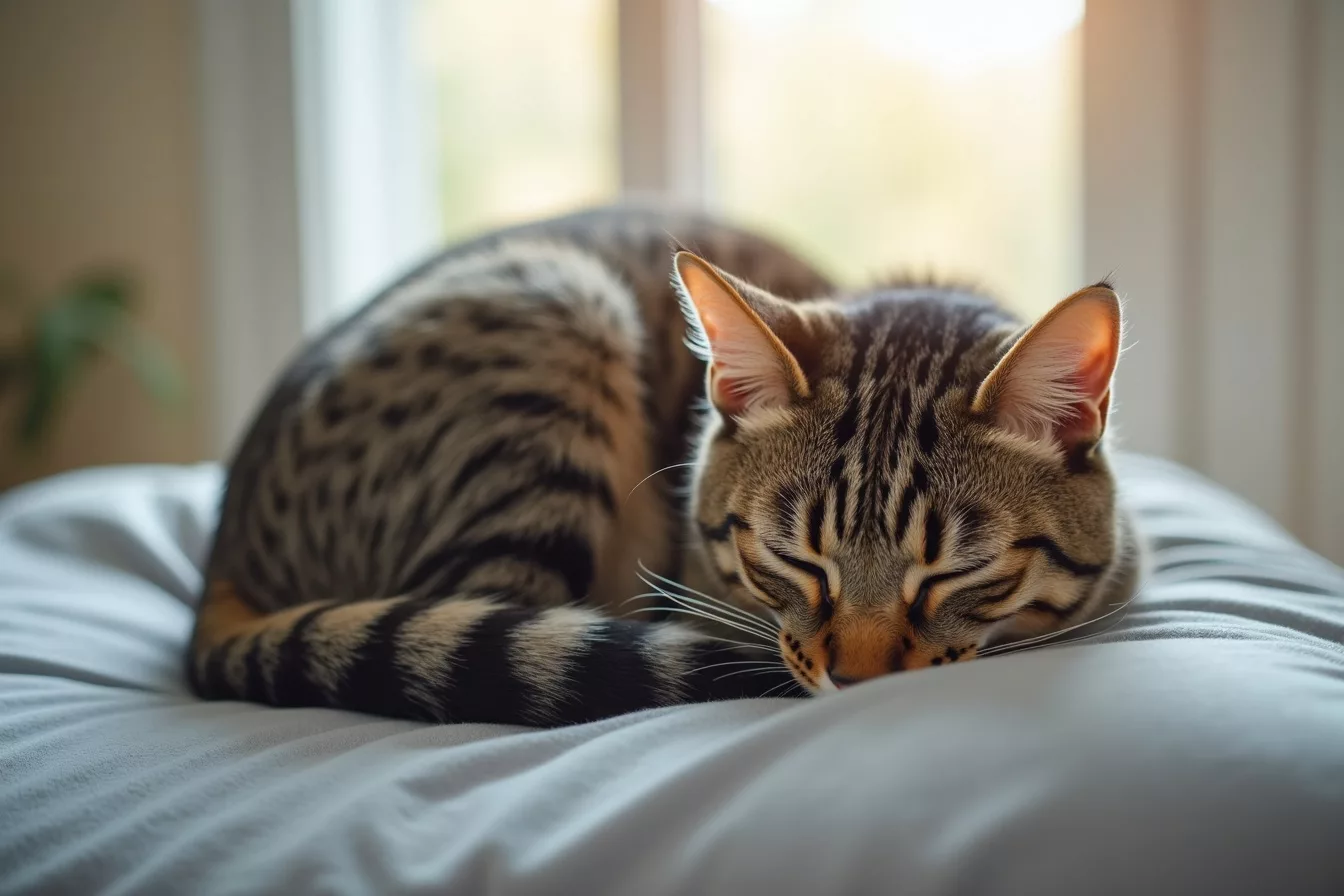

Did you know that 67% of cat owners fail to recognise pain in their pets until it becomes severe? A 2025 study published by the Journal of Feline Medicine and Surgery found that cats mask discomfort so effectively that owners often miss critical warning signs for weeks. In this article you’ll discover the subtle behavioural shifts that indicate your cat is suffering — and the one overlooked sign vets say is the biggest red flag. By the end, you’ll know exactly what to watch for and when to call your vet.
📊 Key Figures 2026
- 67% of cat owners: Miss pain signals in their cats until the condition worsens (Journal of Feline Medicine and Surgery, 2025)
- 1 in 3 cats over 10 years old: Suffer from chronic pain, yet show no obvious signs (RSPCA UK, 2024–2025)
Sources: Journal of Feline Medicine and Surgery (2025), RSPCA, 2024–2025
The Silence Trap: Why Cats Hide Pain So Well
Cats evolved as both hunters and prey. In the wild, showing weakness invites danger. This ancient instinct means your indoor cat will mask pain until it’s nearly unbearable — a survival mechanism that works against your ability to help.
Unlike dogs, which might whimper or limp obviously, cats suffer in silence. They’ll withdraw, change their routine, and alter subtle behaviours you might attribute to ageing or mood. This is why understanding the hidden signs of feline pain is so critical.
The 5 Hidden Signs Your Cat Is in Pain
1. Litter Box Avoidance or Changes in Toileting Habits
One of the earliest and most overlooked signs is a cat avoiding the litter box or toileting outside it. Pain in the joints, spine, or abdomen makes climbing into a tray or squatting uncomfortable. You might notice:
- Urinating or defecating outside the box
- Straining or spending longer in the box than usual
- Avoiding the litter room altogether
Many owners blame behavioural issues; vets know this is often the first sign of arthritis, urinary tract disease, or spinal pain.
2. Reluctance to Jump or Change in Movement Patterns
Watch your cat’s vertical behaviour. A cat that once leapt effortlessly onto the sofa but now takes the long route — jumping to a chair first, then the sofa — is signalling joint pain or muscle stiffness.
You might also notice a stiff gait, particularly after rest, or hesitation before jumping. Some cats will still jump but land awkwardly, suggesting pain upon impact.
✅ Expert Tip
Keep a simple movement log for one week: note which high surfaces your cat uses and whether they hesitate. Compare it weekly. Progressive decline over 2-3 weeks warrants a vet visit. This gives your vet concrete evidence rather than vague concerns.
3. Grooming Withdrawal or Over-Grooming One Area
A cat in pain either stops grooming (appearing matted or greasy) or obsessively licks one spot. Both signal distress. Under-grooming suggests mobility issues (they can’t reach certain areas); over-grooming a specific zone indicates localised pain.
Take note: excessive licking at the hind legs, lower back, or belly often indicates arthritis, nerve pain, or urinary issues.
4. Appetite Changes and Eating Alterations
Cats with mouth, throat, or jaw pain will avoid hard kibble, eat slowly, or show less interest in favourite treats. Cats with abdominal pain may eat less overall or vomit after eating.
This is particularly deceptive because weight loss in cats can mask serious conditions. A vet-supervised weight check is essential.
5. The Overlooked Sign: Changes in Sleep and Resting Posture
This is the sign most owners miss. A cat in pain sleeps more and rests in unusual positions — hunched, curled tightly, or avoiding their usual favourite spot because it requires climbing stairs or jumping onto furniture.
Some cats adopt the “prayer position” (front legs stretched forward, bottom raised) as a way to stretch an aching spine. Others sleep in dark, quiet corners rather than sunny windowsills.
⚠️ Warning
If your cat shows sudden loss of appetite, inability to use the litter box, or extreme lethargy, contact your vet within 24 hours. These can signal serious conditions like urinary blockage (life-threatening in males) or acute injury. Do not wait.
A Real-Life Case: Recognising Pain Before It’s Too Late
Luna, a 9-year-old tabby from Manchester, suddenly stopped jumping onto her owner’s bed — something she’d done for eight years. Her owner assumed age was catching up. At the vet’s suggestion, they mentioned Luna also toileted outside the box once a week. An X-ray revealed severe spinal arthritis. Early pain management and physiotherapy halted progression.
Luna’s owner later admitted: “Looking back, she’d been sleeping in the hallway cupboard for three weeks. I thought she just liked it. She was in pain the whole time.”
When to Call the Vet
Book an appointment if you notice any combination of the above signs lasting more than one week. Bring a photo or video of your cat’s gait or resting position — this helps vets immensely. Mention even small changes; vets are trained to connect the dots you might miss.
The Bottom Line
Cats are masters of concealment, but they leave clues. The most surprising discovery among cat owners is that litter box avoidance and reluctance to jump are often pain signals, not behavioural problems. Have you noticed your cat sleeping in unusual places or hesitating before jumping? These quiet changes deserve attention — early recognition can prevent chronic pain and improve your cat’s quality of life for years to come. Watch closely, trust your instincts, and don’t hesitate to contact your vet with concerns.