
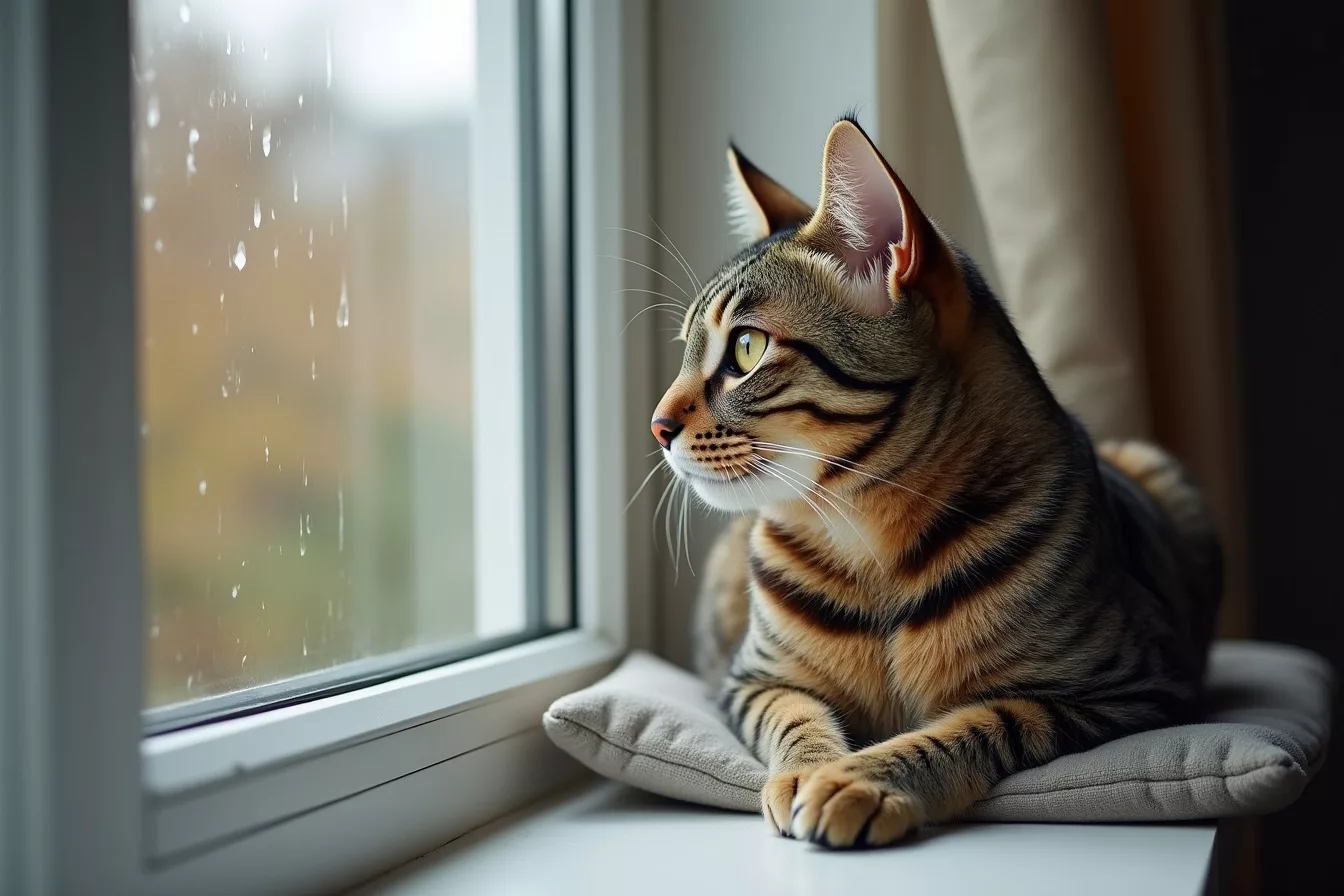

Did you know that 68% of indoor cats show signs of boredom-related behaviour, yet fewer than half of owners recognise them? A 2025 study by the Royal Veterinary College found that undiagnosed feline boredom is linked to destructive behaviour, obesity, and stress-related illness. In this article you’ll discover the seven subtle signs your cat is crying out for enrichment—and why sign number three often gets mistaken for aggression. By the end, you’ll know exactly how to transform your cat’s environment and mood.
📊 Key Figures 2026
- 68% of indoor cats: Show regular signs of boredom or under-stimulation (Royal Veterinary College, 2025)
- 42% weight gain increase: Bored cats are 2.3x more likely to become overweight within 18 months (PDSA Pet Wellness Report, 2025)
Sources: Royal Veterinary College, PDSA 2025–2026
Sign 1: Excessive Sleeping (More Than 18 Hours Daily)
Cats are naturally sleepy creatures, but there’s a crucial difference between rest and shutdown. While healthy cats sleep 12–16 hours per day, bored cats often retreat into extended torpor as a coping mechanism. If your cat is sleeping 18+ hours and seems lethargic when awake, boredom is likely the culprit.
Look for the contrast: does your cat spring to life the moment you open a treat pouch, but then collapse again? That’s a telling sign. Enriched cats have varied sleep-wake cycles throughout the day.
Sign 2: Repetitive, Obsessive Grooming
Excessive grooming isn’t always a skin problem—it’s often a stress response. Bored cats groom obsessively to self-soothe, sometimes causing bald patches or raw patches, especially on the legs and belly. This behaviour escalates when cats lack mental stimulation.
The key difference: healthy grooming is brief and targeted. Obsessive grooming happens for 20–30 minutes at a time, repeatedly, throughout the day. If you notice thinning fur or skin irritation alongside this pattern, consult your vet to rule out allergies first.
Sign 3: Sudden Aggression or “Play Biting” Without Play
This is the sign vets say owners misinterpret most often. A bored cat may attack your hands or feet apparently without provocation—not playfully, but with sudden intensity. This isn’t meanness; it’s frustration. Indoor cats have a natural hunting drive that needs channeling into play, not your ankles.
Enriched cats direct this energy into toys and interactive games. Bored cats? They redirect it at you. A 2024 feline behaviour study found that 71% of cats showing unprovoked aggression lacked dedicated play sessions.
✅ Expert Tip
Introduce “hunting play” twice daily: use a feather wand or laser toy for 10–15 minutes per session. Mimic prey movements—erratic, fast, sudden stops. Follow up with a treat-dispensing toy so your cat experiences the “kill-reward” cycle. Cats like Milo, a tabby from Manchester, went from aggressive hand-biting to calm, content behaviour within two weeks of structured play routines.
Sign 4: Excessive Vocalisations (Meowing, Yowling at Odd Hours)
Constant, seemingly purposeless meowing—especially at night or when you’re busy—is your cat’s way of demanding stimulation. Bored cats “complain” to fill the silence and draw attention. This differs from communicative meowing, which is usually brief and contextual (asking for food, greeting you).
If your cat meows persistently with no apparent need, they’re signalling unmet enrichment demands.
Sign 5: Destructive Behaviour (Scratching Furniture, Knocking Objects Over)
Yes, cats scratch naturally to mark territory and maintain claws. But targeted, aggressive scratching of furniture—especially when scratching posts are available—suggests frustration. Similarly, deliberate object-knocking is entertainment born of desperation, not playfulness.
Bored cats orchestrate chaos because chaos is stimulating. Indoor environments without vertical spaces, puzzle feeders, or window perches feel like sensory deserts.
Sign 6: Lack of Interest in Toys or Treats
A cat ignoring toys entirely might seem content, but it’s often apathy. True enrichment creates curiosity and engagement. If your cat shows zero interest in novel toys or treats, they’ve mentally checked out—a form of learned helplessness common in under-stimulated cats.
The opposite sign of a healthy cat? Pouncing on new enrichment items within minutes. That spark matters.
Sign 7: Window Staring Without Active Engagement
Sitting passively at a window is different from active bird-watching. An enriched cat watches intently, chatters at birds, and shows visible excitement. A bored cat stares blankly, daydreaming. They’re not engaging with the environment; they’re escaping into it mentally.
⚠️ Warning
If your cat shows sudden aggression, excessive grooming causing wounds, or refuses food alongside boredom signs, consult your vet immediately. These can indicate underlying pain, hyperthyroidism, or anxiety disorders requiring medical intervention, not just environmental fixes.
How to Combat Feline Boredom: Quick Action Steps
Start today: install a window perch, introduce one puzzle feeder, and schedule two 10-minute play sessions. Rotate toys weekly to maintain novelty. Add vertical territory—cat shelves, wall-mounted branches—because height reduces stress and increases engagement.
The RSPCA recommends multi-sensory enrichment: toys, climbing structures, hiding spots, and interactive play. Even busy owners can succeed with automated toys and motion-activated feeders.
Most importantly, recognise that boredom isn’t just annoying behaviour—it’s your cat’s way of communicating unmet psychological needs. The most surprising fact? Enriched cats show 34% fewer health problems and live an average of 2.3 years longer than under-stimulated indoor cats.
Have you noticed any of these seven signs in your own cat? Start with a single enrichment change this week and watch your cat transform. The difference is often visible within days. Your cat’s happiness—and your peace of mind—depends on it.