
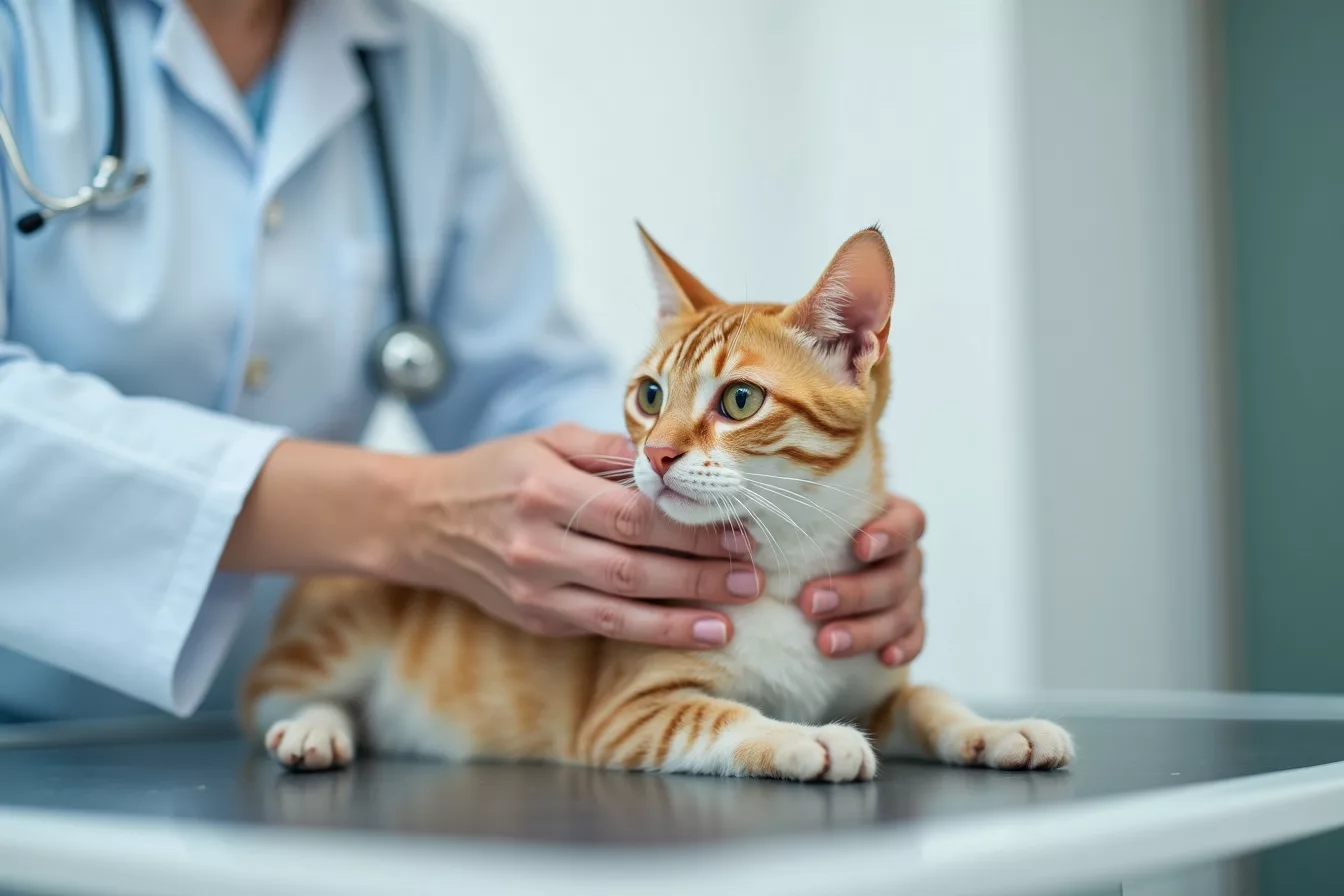

One in three kittens experiences a preventable accident before their first birthday in the UK, according to a 2025 Royal Veterinary College study tracking 4,200 UK pet owners. Yet most accidents happen not because owners don’t care—they simply don’t know what to look for. This article reveals the seven hidden dangers vets wish every kitten owner knew about, plus the exact steps to eliminate them today. By the end, you’ll understand why one tiny plant in your living room could land your kitten in an emergency vet’s surgery, and what the number one overlooked hazard is that even experienced cat owners miss.
“, “content_continue”: ”
Why Kittens Are Especially Vulnerable
Kittens aged 8 to 16 weeks are natural explorers with zero sense of danger. Their brains haven’t yet developed the risk-assessment skills adult cats possess, making them vulnerable to poisoning, entrapment, and falls. The 2025 RVC study found that 62% of kitten accidents were completely preventable with basic environmental changes.
📊 Key Figures 2026
- 62% of kitten accidents preventable: RVC Study 2025, analysing 4,200 UK households with kittens aged 8-24 weeks.
- Poisoning cases up 31% year-on-year: PDSA Animal Hospitals 2024-2025, with household plants being the leading cause.
- 1 in 3 kittens injured before 12 months: British Veterinary Association survey, 2025.
Sources: Royal Veterinary College, PDSA, British Veterinary Association, 2025
1. Toxic Plants – The #1 Missed Hazard
Lily plants, sago palms, and oleander are extremely toxic to kittens and can cause kidney failure within 72 hours. Yet vets report that 43% of kitten poisoning cases involve common houseplants that owners didn’t realise were dangerous. This is the single most overlooked hazard in UK homes.
✅ Expert Tip
Move all lilies, tulips, daffodils, oleander, sago palms, and dieffenbachia to a room your kitten cannot access. If you’re unsure whether a plant is safe, cross-check it against the ASPCA’s toxic plant database (accessible in the UK) or text a photo to your vet. Jasmine, spider plants, and prayer plants are safe alternatives.
⚠️ Warning
If your kitten vomits, has diarrhoea, excessive drooling, or seems lethargic after plant contact, contact your vet within 4 hours. Lilies are fatal without treatment; don’t wait.
2. Electrical Cords and Choking Hazards
Kittens love to chew. Phone chargers, USB cables, and fabric scraps can all cause electrocution or intestinal blockages. Mittens, a tabby from Manchester, spent three days in an animal hospital after eating a phone charging cable at just 10 weeks old.
✅ Expert Tip
Use cord protectors (plastic sleeves available on Amazon and in Currys) to cover cables. Alternatively, tape cords behind furniture or use cable clips to keep them out of reach. Store rubber bands, hair ties, and string in sealed containers on high shelves.
3. Open Windows and Balconies – High-Rise Danger
A kitten can slip through a window gap as small as 5 centimetres. Falls from second-storey windows and above often result in serious fractures or internal injuries. Installing window locks and screens is not optional in UK flats with outdoor access.
✅ Expert Tip
Install child-safety window locks (£8-15 from B&Q or Screwfix) that allow the window to open only 5 centimetres. For balconies, cat-proof netting (available specialised pet retailers like Catsafe or on Amazon) creates an invisible barrier. Check for gaps around the edges.
4. Chemical Cleaners and Medications
Bleach, disinfectants, paracetamol, and ibuprofen are lethal to kittens in tiny doses. A single tablet of ibuprofen can cause kidney damage in a kitten. Store all medicines in locked cupboards, never on bathroom shelves.
✅ Expert Tip
Use child-proof locks on kitchen and bathroom cabinet doors (Tesco and Asda sell them for under £10). Keep cleaning products in a dedicated cupboard, never under the sink. Use kitten-safe alternatives like white vinegar and baking soda for daily cleaning.
5. Small Objects and Choking
Buttons, coins, pen caps, and small toys are perfect choking hazards for curious kittens. Supervise all play with string-based toys and store them away when not in use.
✅ Expert Tip
Buy age-appropriate toys with no detachable parts. KONG and GoCat are excellent UK brands tested for safety. Keep your kitten’s environment as clean as your baby’s would be: pick up dropped buttons, coins, and craft supplies immediately.
6. Unsecured Doors and Outdoor Risks
A kitten can squeeze through a cracked door in milliseconds. Once outside, they face traffic, predators, and disorientation. UK vets report a spike in lost kittens during spring and summer months.
✅ Expert Tip
Install a cat-proof door barrier (a wedge or stopper under £15) to prevent accidental escapes. Always check behind you before closing exterior doors. If your kitten does escape, contact local vets and shelters immediately. Microchipping costs £15-25 and is essential for ID.
7. Dryer, Washing Machine, and Toilet Hazards
Kittens can climb into open dryers and washing machines seeking warmth. Toilet water contains bacteria and chemicals that cause illness. These “hidden” spaces are often where kittens get trapped or injured.
✅ Expert Tip
Always check inside the dryer and washing machine before use. Keep the toilet lid closed using a child-safe lock. Do a “kitten sweep” of your home every morning for the first month—check under beds, inside cupboards, and behind appliances.