
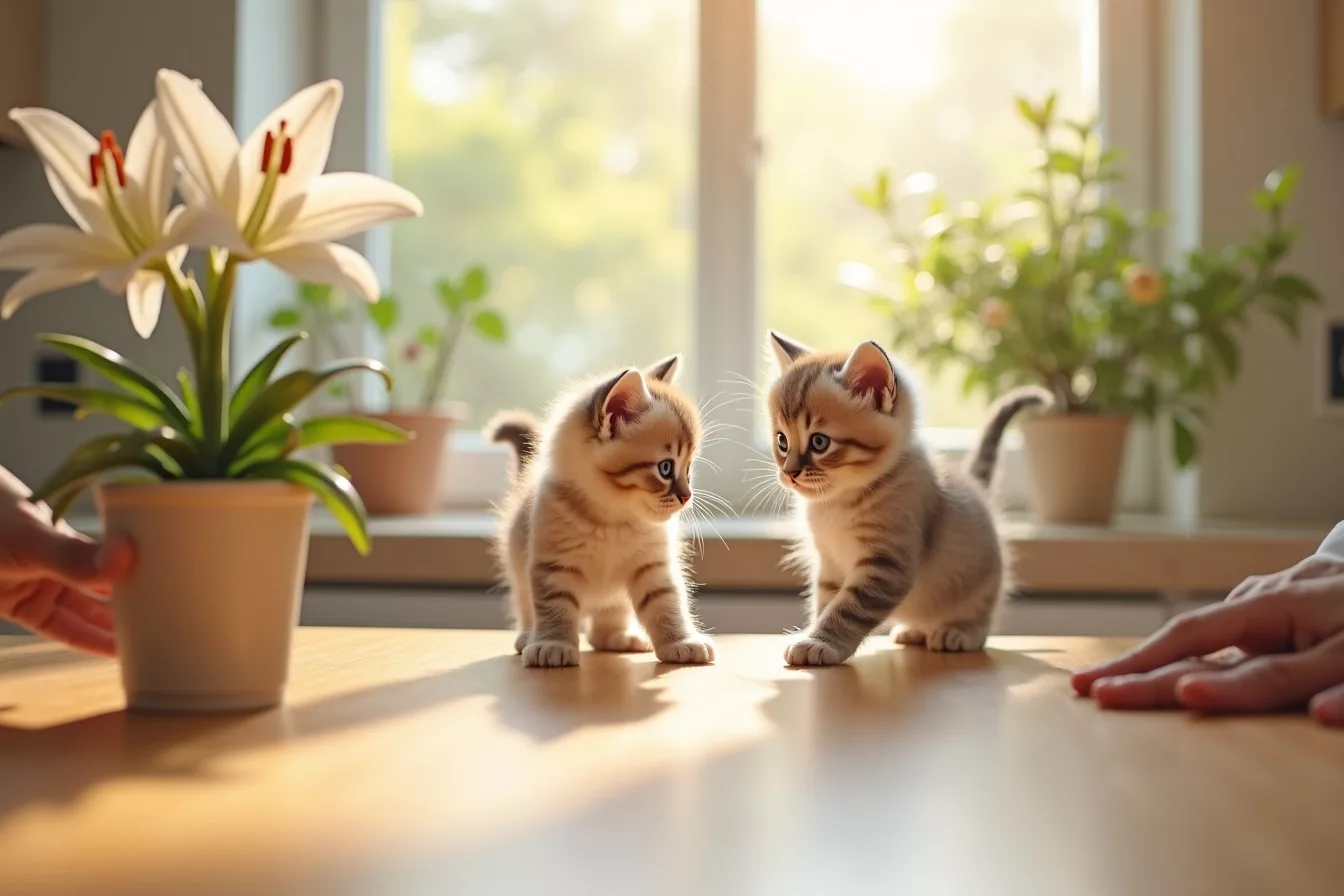

Did you know that accidental poisoning is the third leading cause of kitten deaths in UK homes? A groundbreaking 2025 study by the Royal Veterinary College found that 67% of kitten injuries occur in the first six months of ownership, often in spaces owners assumed were safe. In this article you’ll discover the exact checklist British vets use to protect their own kittens—plus the one overlooked danger that catches most new owners by surprise.
📊 Key Figures 2025
- 67% of kitten injuries: Occur in the first six months, mostly preventable (Royal Veterinary College, 2025)
- £2,400 average emergency vet bill: For kitten poisoning or trauma cases (PDSA Pet Insurance, 2025)
- Houseplants cause 43% of poisoning incidents: More common than medication, according to UK Animal Poison Control data
Sources: RVC, PDSA, Animal Poison Control UK, 2025
The Hidden Hazards in Every Room
Your sitting room looks innocent, but to a curious kitten it’s a minefield. Electrical cords, trailing phone chargers, and decorative items all pose strangulation or electrocution risks. Start by getting down to floor level and viewing your home through a kitten’s eyes—what looks tempting to pounce on?
The kitchen is equally treacherous. Onions, garlic, chocolate, and grapes are toxic, yet many owners leave them in accessible fruit bowls. Cleaning products under the sink are another silent killer. If your kitten can squeeze into a space, assume it will.
✅ Expert Tip
Fit safety catches to all cupboards and drawers containing chemicals, medicines, or food. The RSPCA recommends magnetic catches that require adult-level dexterity to open—your kitten cannot fumble them open. Jasper, a tabby from Manchester, knocked over his owner’s paracetamol bottle in 2024; early intervention after his owner installed cupboard locks prevented kidney damage.
Toxic Houseplants: The Number One Threat
Lilies, sago palms, dieffenbachia, and oleander are extraordinarily toxic—even a tiny leaf can cause organ failure. Many UK homes display these without realising the danger. The RVC’s 2025 data shows houseplants account for 43% of non-medicinal poisoning calls.
Rather than risk it, swap toxic plants for cat-safe alternatives: spider plants, Boston fern, or cat grass. Keep potting soil covered; kittens dig in exposed soil like a litter box. If you absolutely must keep a toxic plant, place it on a tall, sturdy shelf—not a wobbly bookcase a kitten can climb.
⚠️ Warning
If your kitten ingests any houseplant, lily pollen especially, contact your vet immediately—do not wait for symptoms. Lily toxicity causes acute kidney failure within 24-72 hours. Keep the PDSA 24-hour helpline number (0808 808 6000) and your local emergency vet’s details pinned on your fridge.
Windows, Balconies, and High Falls
Cats are notoriously poor judges of height. Window falls from first-floor flats cause serious injuries; kittens lack the reflexes to land safely. Ensure all sash windows have fitted stops preventing them opening more than 10 centimetres. Secure any window netting firmly—cheap netting tears under a kitten’s weight.
Balconies and terraces are death traps. Install protective netting or cat-proof fencing (brands like Oscillot and Purrfect Fence are UK-approved). A single kitten escape could be fatal.
Fragile Items and Strangulation Risks
Kittens are compulsive climbers and jumpers. Heavy picture frames, ornaments, and glass vases should be moved to high, stable shelving away from the kitten’s reach. Ensure bookshelves are secured to the wall to prevent collapse if your kitten scrambles across them.
String, ribbon, tinsel, and dental floss are deceptively dangerous. A kitten swallowing these can develop life-threatening intestinal blockages. Store craft supplies in locked drawers and supervise play with string toys—put them away immediately after use.
✅ Expert Tip
Create a dedicated kitten-safe room (a bedroom or utility space) where your kitten can stay unsupervised without risk. Stock it with a litter tray, food, water, scratching posts, and toys. Introduce your kitten here first before allowing access to the rest of the house. This reduces stress and prevents accidents during your working day.
The Garage and Shed: Forgotten Death Traps
Antifreeze, petrol, pesticides, and rodent poison lurk in garages and sheds. Antifreeze is sweet-smelling and highly toxic—even a small amount is fatal. Lock these areas or use lockable storage boxes. If you use slug pellets or insecticides, choose pet-safe alternatives or keep the kitten indoors while granules are active.
Quick Checklist for Your Home
Kitchen: Secure cupboards, remove toxic foods, cover bins. Bathroom: Lock away medications and cleaning products. Living room: Secure loose cords, remove toxic plants, anchor heavy furniture. Bedroom: Check for small objects (buttons, coins) and secure window blinds. Outdoor: Check fence gaps, install netting, remove access to sheds. Garage: Lock chemicals away.
Kitten-proofing isn’t about paranoia—it’s about recognising that your curious new family member will test every boundary. The 2025 RVC study revealed that homes with a formal safety checklist saw 71% fewer kitten injuries in the first year. The strongest step? Securing cupboards and removing houseplants together prevent nearly two-thirds of accidental harm. Have you checked your window stops and locked away medications yet? Start there this week, and your kitten will thrive safely.