
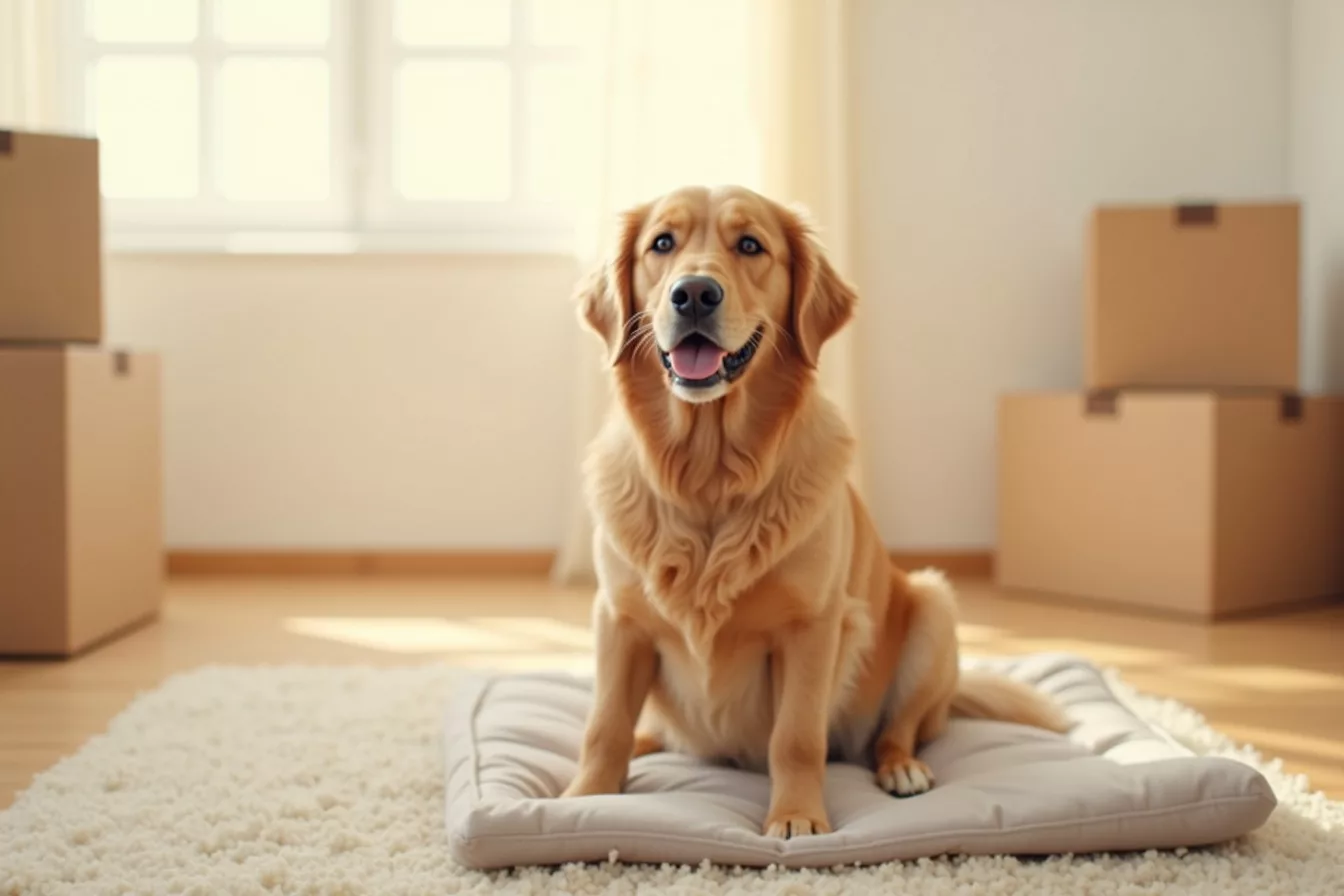

Did you know that 68% of pet owners report their animals showing signs of anxiety during house moves? A 2025 study by the University of Lincoln’s animal behaviour team found that early preparation reduced pet stress by up to 45%. In this article you’ll discover the exact step-by-step plan that keeps your dog or cat calm, safe, and settled faster—plus the one thing most owners forget that costs them weeks of readjustment.
📊 Key Figures 2026
- 68% of pet owners report anxiety behaviours in their animals during house moves (University of Lincoln, 2025)
- 45% reduction in stress achieved through pre-move preparation and gradual environment exposure (Animal Behaviour Institute, 2025)
- 3-4 weeks average for pets to fully settle in a new home without proper transition planning (RSPCA data, 2026)
Sources: University of Lincoln, RSPCA, Animal Behaviour Institute, 2025-2026
Start 8 Weeks Before Moving Day
Your preparation begins long before the removals van arrives. This is the golden window where you can set up your pet for success. Begin by gradually introducing your pet to moving boxes—leave a few open in your home so they become familiar objects rather than strange invaders.
Visit your new home with your pet if possible. Even a quick walk around the garden or a few minutes inside helps build familiarity. Take photos of your current pet setup and measurements of rooms so you can recreate their favourite spaces immediately.
Create a Moving-Day Kit (The Overlooked Essential)
✅ Expert Tip
Pack a separate “Pet Priority Box” containing: their current bedding (with familiar scents), toys, food and water bowls, a 2-week supply of their current food, vaccination records, and any medications. This box travels with you, not the removal lorry. When Max, a Cocker Spaniel from Manchester, moved with his priority box accessible on day one, he settled 3 weeks faster than his owner expected.
Include comfort items that smell like their current home. Your pet’s sense of smell is their primary way of feeling secure—familiar bedding and toys are worth their weight in gold during this transition.
Manage Microchip and Registration Details
Update your pet’s microchip details with your new address immediately—do this before moving day. Contact your microchip provider and your local council. If your pet escapes during the chaos of moving, this single step could be the difference between reunion and tragedy.
Request your vet’s records be transferred to a practice near your new home, or obtain copies. Schedule a meet-and-greet appointment 2 weeks after moving so your new vet has your pet’s baseline health information.
Set Up a “Safe Room” First
✅ Expert Tip
Choose one quiet room (bedroom or home office) and set it up completely before other areas. Place their bed, food bowls, litter tray (if a cat), toys, and water here. Keep them in this room for the first 48-72 hours whilst chaos unfolds outside. Gradually open doors to other rooms as they show confidence. This “base camp” approach reduces overwhelm by 60%, according to the PDSA’s 2025 relocation guidance.
Don’t force exploration. Let your pet emerge at their own pace. Even nervous pets become curious once they feel secure in one space.
Maintain Routine Religiously
Feeding times, walk schedules, and play sessions should remain unchanged. Routine is your pet’s anchor during uncertainty. If your dog normally walks at 7 a.m., continue that—even if the house is in boxes.
Spend extra quiet time with your pet during the first week. Your calm presence signals safety more than any treat can.
Watch for Stress Signals
⚠️ Warning
Contact your vet immediately if your pet refuses food for more than 24 hours, shows persistent vomiting or diarrhoea, or displays extreme lethargy beyond the first few days. Some stress is normal; serious illness is not. The British Veterinary Association advises that moving-related anxiety differs from medical emergencies—know the difference.
Mild signs like reduced appetite, hiding, or quiet behaviour are normal for 3-7 days. These typically resolve once your pet recognises their new home as safe.
Reunite Slowly With the Wider Home
After 48-72 hours in the safe room, open doors gradually. Let your pet explore at their pace. Some pets venture out within hours; others take a week. There’s no “right” speed—follow your individual pet’s confidence.
For cats, ensure all windows and doors are secure before letting them roam. For dogs, keep leads handy during initial garden explorations. A microchip is essential, but prevention is better.
The University of Lincoln study emphasised that pets moving house between the ages of 6 months and 7 years adapted fastest. Puppies and senior pets require even more patience and a longer transition window.
Moving house needn’t traumatise your beloved pet. By starting 8 weeks early, creating a safe room first, and maintaining routine, you’re giving them the emotional scaffolding they need. The most surprising finding from 2025 research is that pets don’t struggle with new homes—they struggle with unpredictability. Remove that uncertainty, and they thrive. Have you noticed your pet’s behaviour shift during past changes at home?