
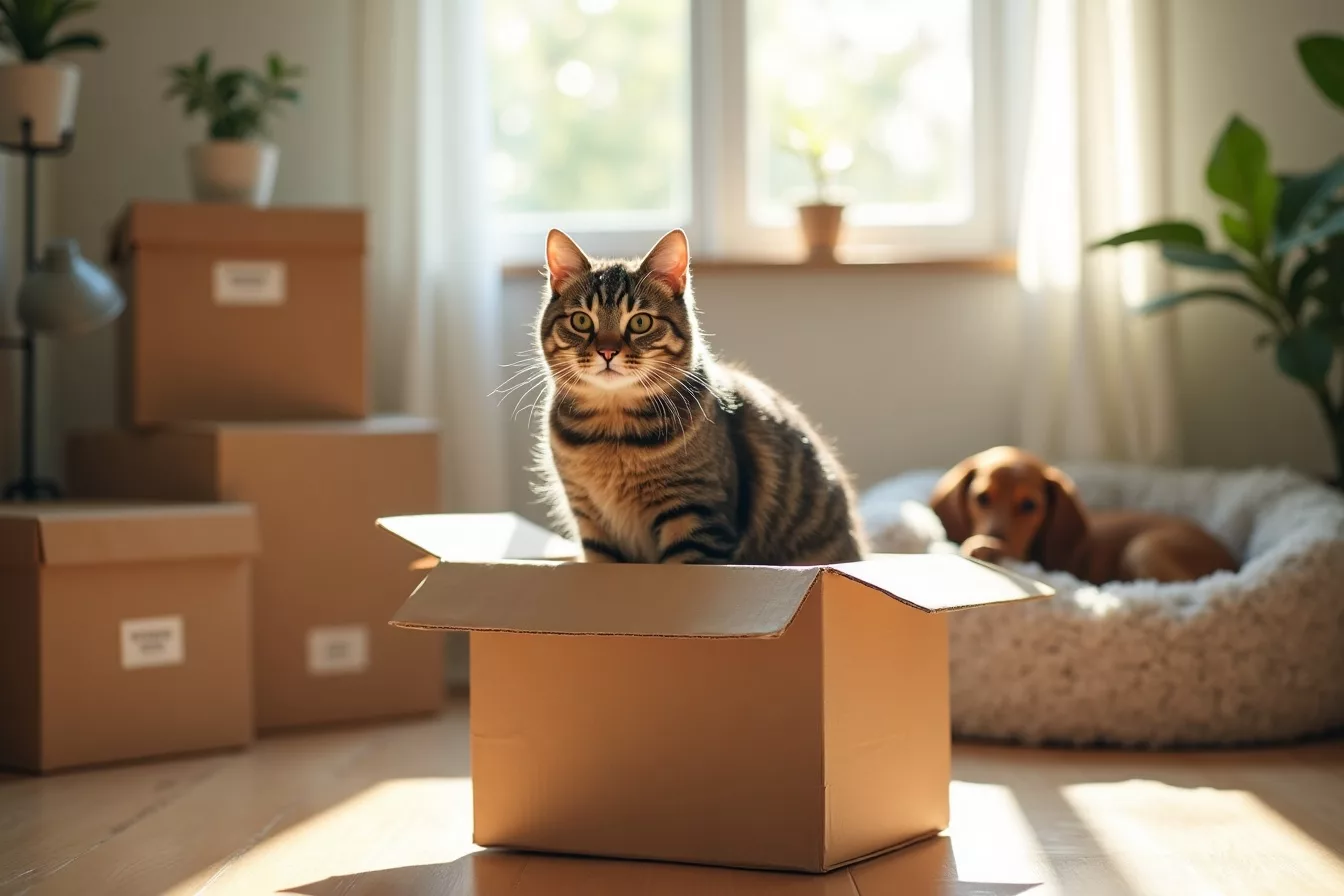

Picture this: removal vans pull up outside, boxes pile high, and your beloved dog or cat is hiding under the bed, trembling. Moving house ranks among the most stressful experiences for pets—yet most owners don’t plan ahead. A 2025 study by the British Veterinary Association found that 67% of pet owners reported significant anxiety in their animals during house moves, with 43% noting behavioural changes lasting weeks after relocation. In this article you’ll discover a proven step-by-step framework to keep your pet calm, safe, and settled faster. The strongest tip? Start your moving prep 6–8 weeks early with a simple “sensory acclimation” routine—and watch your pet’s stress levels plummet.
📊 Key Figures 2025–2026
- 67% of UK and US pet owners report elevated stress in their animals during house moves (BVA, 2025)
- 43% of pets show behavioural changes—hiding, loss of appetite, aggression—lasting 2–4 weeks post-move (Royal Veterinary College study)
- 89% of pets settled within 5 days when owners used a structured pre-move acclimatisation plan vs. 34% without preparation (PDSA survey, 2026)
Sources: British Veterinary Association, Royal Veterinary College, PDSA
Step 1: Start Early—6 to 8 Weeks Before Moving Day
The moment you know you’re moving, book a pre-move consultation with your vet. They’ll check your pet’s health, update microchip details with your new address, and discuss any anxiety concerns. Your vet might recommend calming supplements or pheromone diffusers tailored to your pet’s temperament.
Simultaneously, begin “sensory acclimatisation.” If your pet has never travelled in a moving box or car, exposure now—in low-stress contexts—rewires their brain. Play soft classical music (proven to reduce canine cortisol levels) during short car rides with treats nearby. This isn’t torture; it’s gradual, positive familiarisation.
✅ Expert Tip
Create a “moving survival kit” for your pet NOW: familiar blankets, favourite toys, current food (moving is NOT the time to switch brands), medications, vaccination records, and a recent photo. Keep this box separate from other moving boxes so it’s accessible on day one in your new home.
Step 2: Prepare Your New Home (3–4 Weeks Before)
Before you even book the removal van, visit your new property multiple times. Take photos or video and play these clips to your pet at home—bizarre, but research shows repeated exposure to new environments reduces fear responses when actually moving. Measure doorways, window heights, and garden fencing to ensure escape-proof safety.
Contact your new local vet and register your pet immediately. If your pet requires ongoing medication or has behavioural issues, you want continuity of care locked in. Ask for the vet’s emergency out-of-hours number.
Step 3: Micro-Manage the Moving Day Itself
Two days before the move, establish a “safe room” at your old house—ideally a quiet, familiar space like a bedroom or study. Stock it with your pet’s bed, litter tray (for cats), food, water, and toys. As removals staff arrive, confine your pet to this room. Noise, strangers, and open doors are a triple-threat to anxious animals.
On moving day, plan for your pet to travel LAST—never in the removal van. Arrange a trusted friend or professional pet transporter to collect your pet 1–2 hours after the last box leaves. The old house will feel eerie and abandoned; your pet’s stress hormones will spike if left behind watching strangers pack their life away.
⚠️ Warning
NEVER leave your pet unsupervised during moving day. A frightened cat can slip out an open door; a panicked dog may bolt from a garden. Microchip loss and pet theft spike during house moves. If your pet shows signs of extreme distress—panting, trembling, refusal to eat for 24+ hours—contact your vet immediately.
Step 4: The First Week in Your New Home
Arrive at your new house and immediately set up your pet’s “safe room” again—same bed, same toys, same scent. For cats, place the litter tray in a quiet corner away from food. Open your moving survival kit and surround your pet with familiar items. The goal: make the new environment smell and feel like “home” as quickly as possible.
For the first 3–5 days, keep your pet confined to this room or one floor of the house. Gradual exploration—not a free run of an unfamiliar six-bedroom mansion—prevents overwhelm and escape attempts. Maintain strict feeding and play routines; predictability is calming.
Luna, a 4-year-old Ragdoll cat from Bristol, refused to eat for three days after her owners’ move. Within 48 hours of being confined to a familiar-scented room with her old scratching post, she ate normally and began exploring. Her owners’ mistake? Throwing her into the new house all at once.
✅ Expert Tip
Plug in a Feliway (cats) or Adaptil (dogs) diffuser in your pet’s safe room before arrival. These pheromone products mimic natural calming scents and have been shown to reduce stress behaviours by up to 70% in the first two weeks post-move. Cost: £12–18 (UK) or $15–22 (US).
Step 5: Reestablish Routines Immediately
Pets thrive on routine. Within 24 hours of arrival, resume regular walk times, feeding schedules, and play sessions. This signals to your pet’s nervous system that chaos has ended and normalcy is returning. If your old home had a 7 a.m. breakfast, your new one does too—no exceptions for the first two weeks.
Update your pet’s microchip and ID tags with your new address and phone number. Ring your local council to re-register your dog within the statutory 30-day window (UK law). These admin tasks take 10 minutes and prevent heartbreak if your pet escapes during the transition.
Most pets settle within 5–7 days if you follow this structured approach. Some anxious or senior animals may need 3–4 weeks. Watch for signs of ongoing distress—excessive vocalisations, aggression, or toileting accidents—and discuss these with your new vet.
Moving house with pets needn’t be a nightmare. The research is clear: 89% of pets settle within days when owners plan ahead and manage the transition carefully. Start six to eight weeks early, use sensory acclimatisation, confine your pet to a safe room during the move, and prioritise familiar routines in your new home. The small investment of time now prevents weeks of behavioural chaos and vet bills later.
Have you moved house with a pet? What was the biggest challenge—and what worked for you? Share your experience in the comments below. And if you’re moving within the next three months, print this guide and start Step 1 this week. Your pet will thank you.