
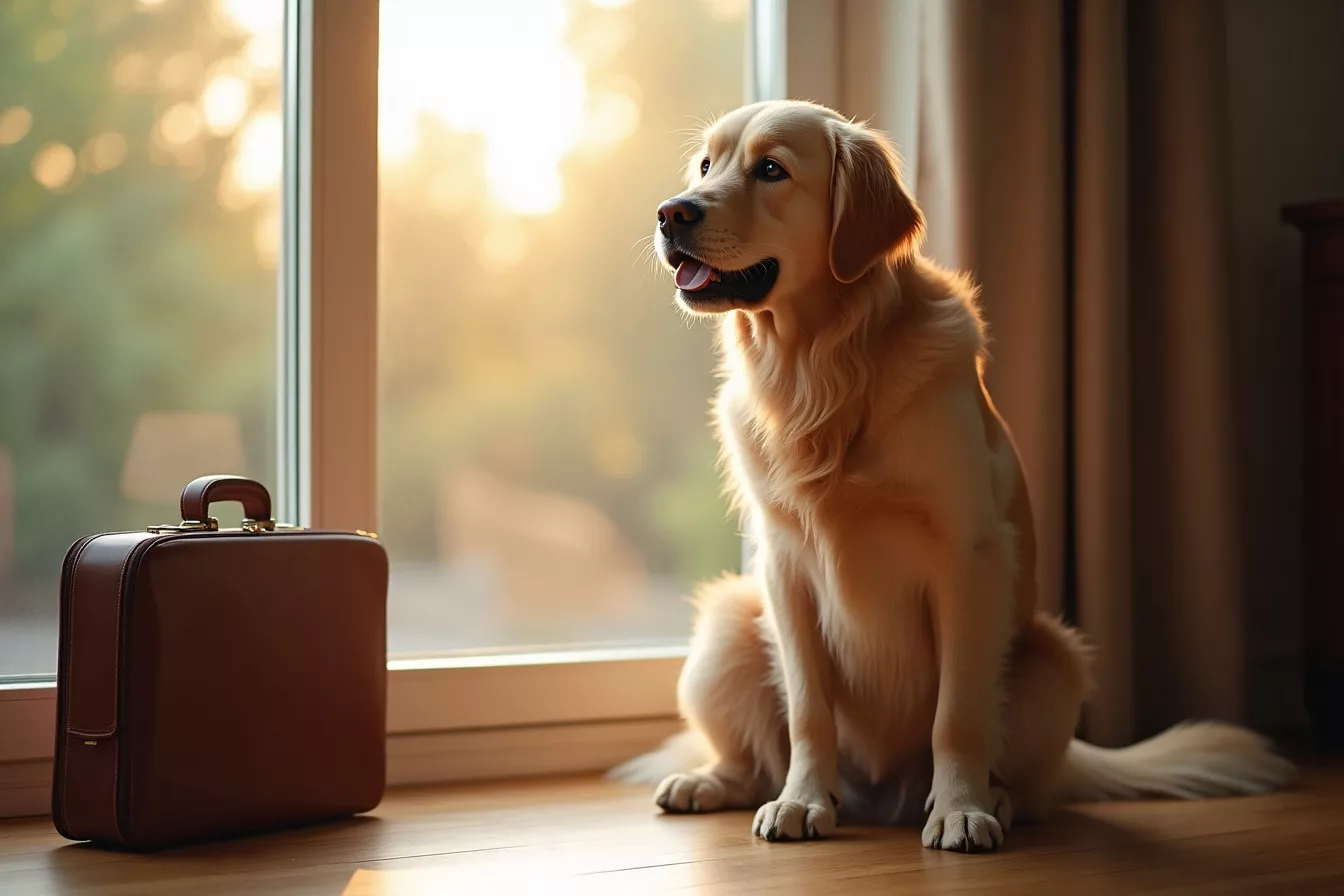

New research suggests that remote working has fundamentally altered the way our pets behave—and not all changes are positive. A groundbreaking 2025 PDSA study reveals that pets across the UK have developed lasting behavioural shifts since the pandemic, with separation anxiety and attention-seeking behaviours becoming the norm rather than the exception. In this article, you’ll discover what the science says about your pet’s sudden clinginess, plus the expert strategies vets are recommending to help your furry friend adapt to a more ‘normal’ working life. The most surprising finding? Nearly two-thirds of owners report their pets struggle when they return to the office—even years later.
The shift back to office-based work has exposed a uncomfortable truth: our pets have become dependent on constant human presence. What began as a temporary blessing during lockdown has evolved into a potential long-term behavioural challenge for millions of pet owners. The PDSA, the UK’s largest veterinary charity, surveyed over 3,000 pet owners and their vets in late 2024 and early 2025, revealing patterns that suggest the remote-working era has left permanent paw prints on our animals’ emotional development.
📊 Key Figures 2025
- 64% of pet owners: Report increased separation anxiety in their dogs and cats since returning to office-based work (PDSA, 2025)
- 41% of dogs: Now display destructive behaviours when left alone for more than 4 hours, up from 22% in 2020 (PDSA Welfare Index, 2025)
- 3 in 5 vets: Say they’re seeing more anxiety-related consultations in pets aged 4-8 years old (Royal Veterinary College survey, 2025)
Sources: PDSA, RVC, 2025
“We’re seeing a generation of pets that have never learned how to be alone,” explains Dr Sarah Mitchell, a behavioural specialist at the Royal Veterinary College. “During the pandemic, owners were home 24/7. Now that routine has reversed, many animals simply don’t have the coping skills to manage solitude.” The impact spans both dogs and cats, though the manifestations differ. Dogs tend to develop destructive behaviours—chewing furniture, scratching doors, excessive barking—whilst cats may become withdrawn, stop eating properly, or develop inappropriate elimination behaviours.
Consider Max, a three-year-old Cocker Spaniel from Bristol. His owner, Emma, worked from home for two years before returning to the office in January 2024. “Within weeks, Max went from a well-adjusted dog to a nervous wreck,” Emma recalls. “He’d destroy the kitchen when I left, and his anxiety was visible—panting, pacing, constant whining.” Max’s story is echoed across thousands of UK households, and vets now report this as one of the most common post-pandemic complaints.
✅ Expert Tip: Gradual Desensitisation
Start small and build tolerance. Leave your pet alone for just 10 minutes whilst you’re still at home—go to another room, close the door. Gradually extend this to 15, then 20 minutes. Reward calm behaviour with treats. Over 4-6 weeks, your pet learns that your absence isn’t permanent. The PDSA recommends this technique as the most effective non-pharmaceutical intervention for mild separation anxiety.
The underlying cause is a phenomenon researchers call “pandemic dependency.” Pets that spent their formative months or years with constant companionship developed neural pathways that made them expect continuous human presence. When that changes suddenly, their nervous system responds as if under threat. This isn’t a behavioural problem—it’s a legitimate stress response.
Environmental enrichment has emerged as a second pillar of treatment. Interactive puzzle toys, scent-based activities, and background noise (such as classical music or pet-specific audio playlists) can significantly reduce anxiety. Studies from the University of Lincoln (2024) show that dogs exposed to Through a Dog’s Ear—a series of psychoacoustic compositions—displayed 30% fewer anxiety behaviours during owner absence compared to silent environments.
⚠️ Warning: When to See a Vet
If your pet refuses food for more than 24 hours, displays aggressive behaviour, or shows signs of self-injury (excessive licking, hair loss), contact your vet immediately. Severe separation anxiety may require a short course of anti-anxiety medication alongside behavioural work. Don’t wait—early intervention is crucial.
Some owners are exploring professional dog walkers or pet sitters as a bridge solution. The pet care industry has boomed since 2022, with services tailored to the post-pandemic pet. A midday visit can break up the day, provide exercise, and reduce the duration of solo time. For those who can afford it (typically £15-30 per visit in the UK), this offers genuine relief—both for pets and guilty owners.
The PDSA also emphasises that this shift isn’t permanent. With patience, consistency, and the right approach, most pets can relearn independence. The key is accepting that your pet’s anxiety isn’t disobedience or rejection—it’s a genuine neurobiological response to a major life change. By treating it with compassion and science-backed strategies, owners can help their companions thrive in this new chapter.
Have you noticed your pet struggling with your return to office life? Start with the gradual desensitisation technique this week, and monitor changes over the next month. If anxiety persists beyond 8 weeks, book a consultation with your vet to explore additional support options.