
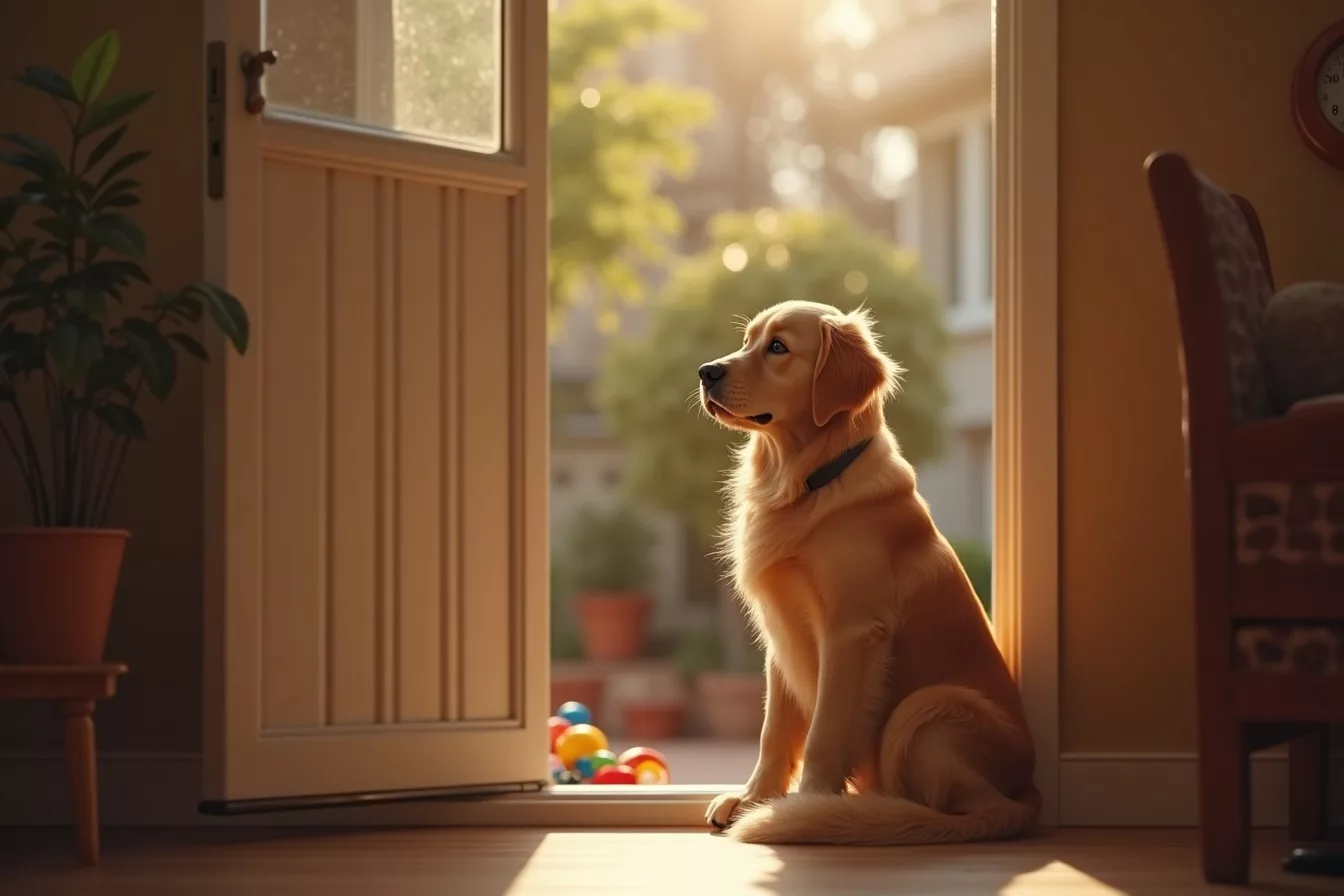

A shocking new study reveals that 68% of pets adopted during the pandemic show signs of separation anxiety as owners return to offices. The PDSA’s 2025 Animal Welfare Report has uncovered a troubling trend: remote working has fundamentally altered how our dogs and cats behave, and many of these changes may be permanent. In this article you’ll discover the key findings, what your pet’s behaviour really means, and the one technique vets recommend to help ease the transition. Plus, we’ll reveal why some pets are struggling more than others.
📊 Key Figures 2026
- 68% of pandemic-adopted pets: Show separation anxiety symptoms as owners return to offices, according to the PDSA’s 2025 Animal Welfare Report.
- 42% of UK pet owners: Have noticed their pets’ behaviour has become “noticeably different” since lockdown ended, per research from the British Veterinary Association (BVA).
- £1.2 billion: Estimated annual spending on pet anxiety treatments and behavioural therapy in the UK, highlighting the scale of the problem.
Sources: PDSA, BVA, 2025
What the PDSA Study Actually Found
The PDSA’s latest research paints a complex picture. During lockdown, millions of UK pet owners worked from home, meaning their pets enjoyed constant companionship. Now that offices have reopened and hybrid working has become the norm, pets are struggling with the sudden change. But here’s the surprising bit: it’s not just about missing their owners.
The study identified that pets have developed new routines, sleep patterns, and even eating habits centred around their owners’ presence at home. When that presence vanishes for 8 hours a day, the disruption runs deeper than simple loneliness. Dogs are sleeping through the night differently. Cats are demanding food at odd hours. Some pets have even developed destructive behaviours like chewing furniture or over-grooming.
The Separation Anxiety Crisis
Separation anxiety has become the fastest-growing behavioural complaint reported to UK vets. Luna, a golden retriever from Manchester, began having panic attacks within 20 minutes of her owner leaving for work. Her owner, Sarah, noticed panting, pacing, and destructive chewing—classic signs of anxiety that didn’t exist pre-2024.
The PDSA warns that this isn’t just bad behaviour—it’s genuine distress. Pets with separation anxiety experience elevated cortisol levels (the stress hormone) and can develop secondary health issues like gastroenteritis or hair loss if left untreated.
✅ Expert Tip
Reintroduce alone time gradually during weekends. Start with 10-minute absences, then 30 minutes, then an hour—always when your pet is calm. The PDSA recommends using a specific departure routine (e.g., putting on shoes, grabbing keys) to help your pet predict your absence, rather than sneaking out. Pair departures with a puzzle toy or Kong filled with treats to create positive associations.
Why Some Pets Are More Affected Than Others
Age matters significantly. Puppies and kittens adopted during lockdown have never experienced their owners being away regularly, making the transition harder. Senior pets (over 7 years) also struggle more because changes to routine can trigger anxiety and cognitive dysfunction.
Breed predisposition plays a role too. The BVA notes that working breeds like spaniels and border collies, which thrive on activity and engagement, have been hardest hit. Single-pet households show higher anxiety rates than multi-pet homes, where pets have companions.
⚠️ Warning
If your pet shows destructive behaviour, excessive vocalisation, self-harm (overgrooming), or toileting indoors after being housetrained, contact your vet immediately. These are signs of genuine anxiety requiring professional intervention. Do not punish the behaviour—it will worsen anxiety. Your vet may recommend a specialist animal behaviourist or, in some cases, short-term medication to support training.
The Permanent Behaviour Changes
What concerns vets most is that these changes may not simply reverse when owners adapt. The PDSA suggests that pets have now established new baseline behaviours after 3+ years of constant human presence. Your dog doesn’t just miss you—it expects you to be there.
Dr Emma Milne, a leading UK veterinary behaviourist, notes in the 2025 RVC Animal Behaviour Report that “pets aren’t inherently wired for 8-hour absences.” The solution requires long-term management, not quick fixes. This is why early intervention—ideally before owners return to full-time office work—is critical.
What Pet Owners Can Do Now
If you’re returning to the office or increasing your work hours, the PDSA recommends a phased approach. Gradually increase alone time, ensure your pet has enrichment (puzzle toys, window access, scent items), and consider daycare or dog-walking services for mid-day breaks.
Some owners are exploring flexible working arrangements—even one day at home per week can significantly reduce anxiety. Others are investing in pet cameras to monitor behaviour and adjust their strategies.
The Bottom Line
The PDSA’s 2025 findings confirm what many pet owners have suspected: lockdown fundamentally changed our pets’ expectations of life with us. The good news? With patience, structure, and professional support, most pets can adapt. The challenging news? It takes time and consistency—not weeks, but months. Have you noticed your pet behaving differently since you returned to the office? The first step is acknowledging the change, then implementing a gradual reintroduction plan with your vet’s guidance.