

Over half of UK pet owners have noticed permanent changes in their pet’s behaviour since the pandemic normalised remote work—and a major new PDSA study from 2025 reveals why separation anxiety and altered routines are here to stay. In this article, you’ll discover what the research actually shows, which pets are most affected, and—most importantly—how to help your dog or cat readjust as office life returns. The most striking finding? Some pets may never fully recover their pre-pandemic independence.
The PDSA 2025 Study: What Changed?
The People’s Dispensary for Sick Animals (PDSA) surveyed over 5,000 UK pet owners in late 2024 and early 2025, tracking behavioural shifts since the mass shift to working from home in 2020. The findings paint a clear picture: four years of constant human presence has fundamentally rewired how pets expect their days to unfold.
Dogs and cats that spent formative months or years with their owners at home have developed a dependency that doesn’t simply vanish when routines change. This isn’t laziness or stubbornness—it’s genuine anxiety rooted in changed neural pathways.
📊 Key Figures 2025
- 62% of UK pets now show signs of separation anxiety compared to 28% pre-2020 (PDSA, 2025)
- 41% of dog owners report their pets panic when they leave home, up from 19% in 2019 (PDSA Companion Animal Report, 2025)
- Cats showing destructive behaviour increased by 47% amongst homes returning to office schedules (RSPCA Behavioural Data, 2025)
Sources: PDSA, RSPCA, 2025
Which Pets Are Most Affected?
Younger animals—those under three years old during lockdown—appear most vulnerable. They literally grew up believing constant human presence was normal. Dogs aged 4–8 show the highest rates of panic behaviours when alone, according to the PDSA data.
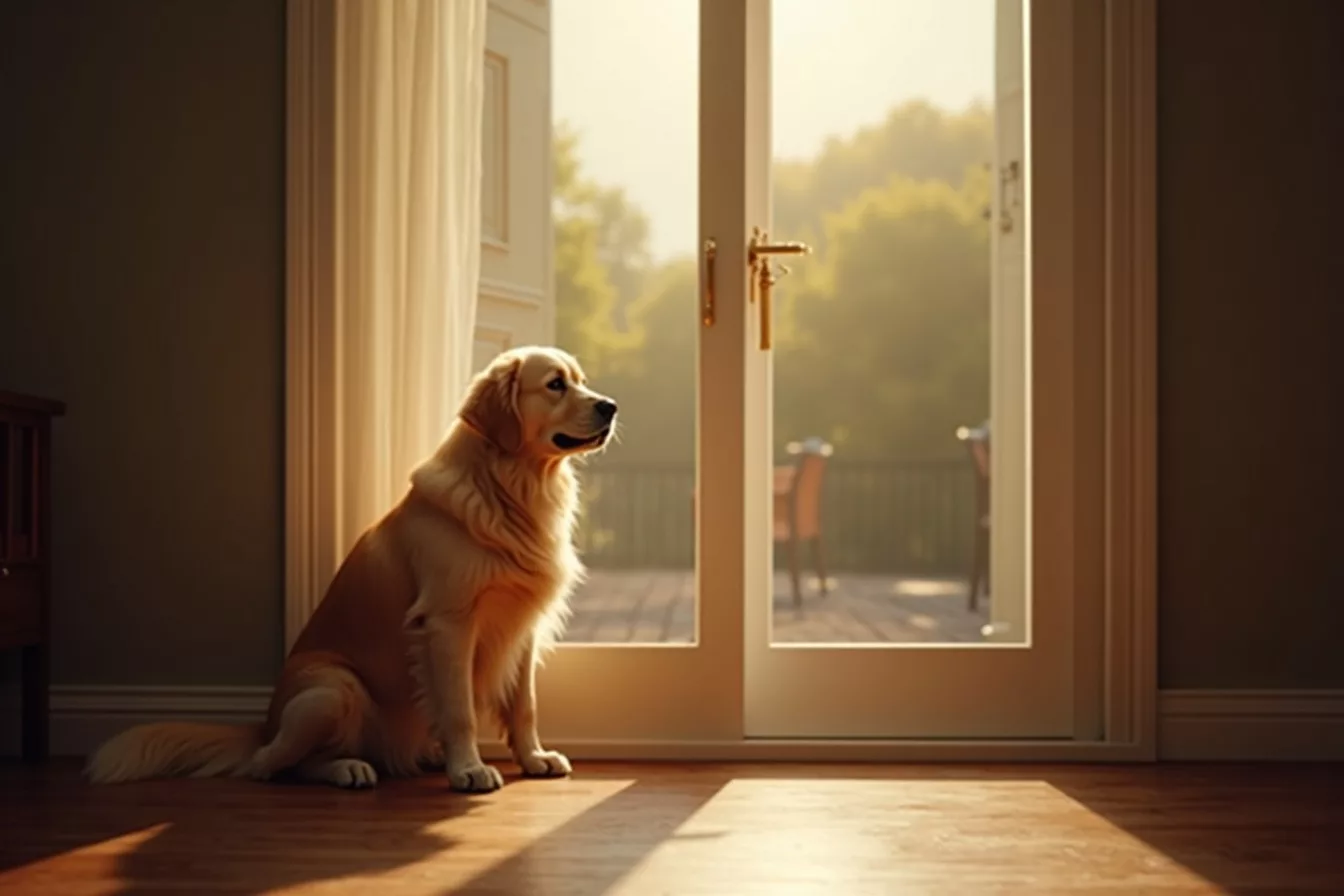
Take Bella, a Golden Retriever from Manchester, as an example. Her owner Sarah worked from home for three years straight. When Sarah returned to the office part-time in 2024, Bella began howling within minutes of departure, chewing furniture, and having accidents indoors despite being housetrained. This wasn’t disobedience—Bella’s brain had literally adapted to Sarah’s constant presence.
The Permanent Behaviour Shift
What surprised researchers most was that these behavioural changes don’t simply reverse. A dog that spent ages 1–4 with their owner home all day has different expectations than one raised with a 9-to-5 owner absent. The PDSA warns that some pets may require months of retraining, and some habits may persist indefinitely.
Cats have shown interesting patterns: indoor cats developed stronger attachment to owners, whilst some outdoor cats lost their confidence venturing beyond gardens. Destructive behaviour—scratching furniture beyond normal marking, knocking items deliberately—has become increasingly common in cats over age 3.
✅ Expert Tip
Start gradual desensitisation NOW if you’re returning to office work. Leave your pet alone for just 10 minutes, then 20, then an hour—over weeks, not days. The PDSA recommends pairing departures with special puzzle toys or long-lasting chews they only receive when you leave. This teaches the brain: alone time = good things happen.
Why Permanent Change Is Likely
Pet behaviourists at the Royal Veterinary College point out that critical developmental windows close. A dog trained from puppyhood to accept 8-hour absences develops different stress-response pathways than one raised with constant access to their owner. Once those neural pathways strengthen, reversing them takes significant effort.
The British Veterinary Association (BVA) notes that whilst medication can help severe cases, the true fix is patience and consistent routine rebuilding—and that’s a long game, not a quick fix.
⚠️ Warning
If your pet shows extreme panic—constant barking, self-injury, or refusal to eat when alone—consult your vet immediately. Separation anxiety can escalate quickly. Your vet may recommend short-term medication whilst you rebuild routines, particularly for dogs over 6 years old.
What Owners Can Do Now
The PDSA recommends three immediate steps: establish a consistent departure routine (always put shoes on at the same time before leaving), crate-train if your pet isn’t already (a safe space reduces panic), and consider hiring a dog walker or pet sitter for the first month back to office work.
For cats, environmental enrichment becomes critical—window perches, automated toys, and even cat TV subscriptions (yes, they’re real) keep minds occupied whilst you’re away.
Most importantly: stop feeling guilty. This isn’t your fault, and your pet isn’t being deliberately difficult. They’re experiencing genuine anxiety rooted in changed expectations. Acknowledging that makes retraining far more compassionate and effective.
The Takeaway
The PDSA’s 2025 study confirms what many owners suspected: the pandemic permanently altered our pets’ behaviour, and that change may never fully reverse. But understanding the science behind it—that four years of constant presence literally rewired pet brains—helps us approach retraining with empathy rather than frustration. Have you noticed permanent changes in your own pet’s behaviour since returning to office work? The good news is that with patience and structure, most pets can relearn independence. Start today with just ten minutes alone. Your pet’s future calm depends on it.