
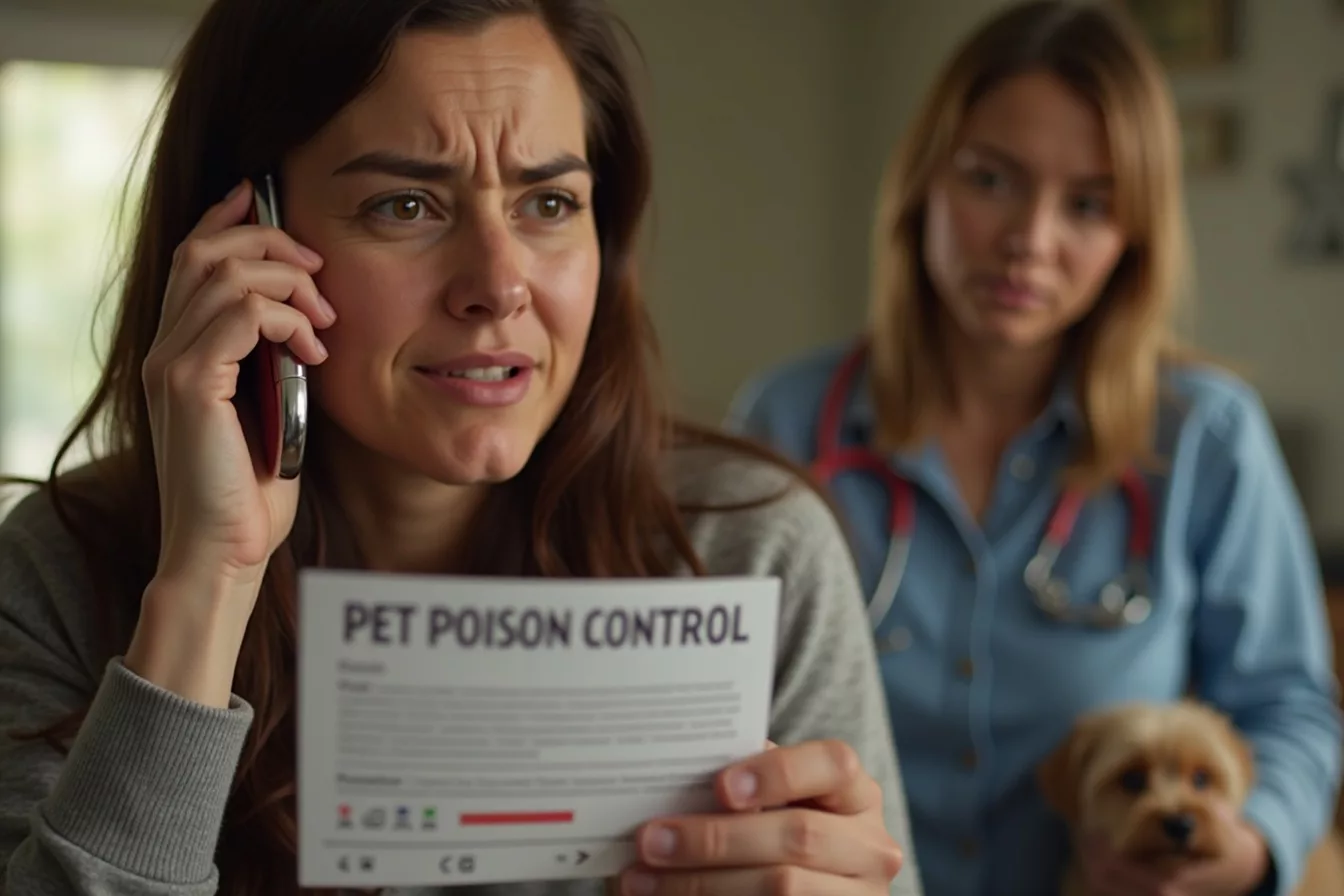

Every year, over 232,000 pets in the US alone are treated for poisoning—and many owners waste critical minutes panicking instead of acting. A 2025 study by the Animal Poison Control Centre found that pets treated within 30 minutes of toxin ingestion had a 94% survival rate, compared to 67% after two hours. In this article you’ll discover exactly what to do in those first terrifying moments, from the initial call to your vet to recognising hidden household dangers. By the end, you’ll know the one thing vets wish every owner would do immediately—and it could save your pet’s life.
📊 Key Figures 2026
- 232,000+ pets poisoned annually in the US: Most cases involve household items like chocolate, xylitol (in sugar-free products), and medications (ASPCA Animal Poison Control, 2025).
- 94% survival rate within 30 minutes: Early intervention is the single biggest predictor of recovery outcomes (Animal Poison Control Centre Study, 2025).
- Chocolate toxicity increases 40% in festive seasons: UK vets report preventable poisonings spike November-December (British Veterinary Association, 2025).
Sources: ASPCA, BVA, Animal Poison Control Centre, 2025
Minutes 1–2: Stay Calm and Call Your Vet (or Emergency Line)
The moment you suspect your pet has eaten something toxic, your instinct is to panic. Don’t. Instead, grab your phone and call your vet immediately—or if it’s after hours, your nearest 24-hour emergency clinic. Have the toxin’s packaging or name ready. Vet Emma Richardson from the Royal Veterinary College emphasises: “The exact substance matters more than how much your pet weighs. One piece of dark chocolate might be fine; one piece of macadamia nut is an emergency.”
✅ Expert Tip
Before calling, write down: (1) What your pet ate, (2) How much, (3) When it happened, (4) Your pet’s weight. This 30-second prep means your vet can advise instantly rather than asking follow-up questions while precious time passes. Keep the ASPCA Poison Control number (888-426-4435 in the US) and your UK emergency vet’s number in your phone now—don’t wait for an emergency.
Minutes 3–5: Follow Your Vet’s Instructions on Inducing Vomiting
Your vet may ask you to induce vomiting at home. Hydrogen peroxide (3% solution) is the standard: typically 1 teaspoon per 10 kg of body weight, given orally. However—and this is critical—never do this without explicit vet approval. Some toxins (like corrosives or sharp objects) cause more harm coming back up than staying down.
Biscuit, a Labrador from Manchester, swallowed a grape (toxic to dogs) at 3 p.m. Her owner called the vet immediately, induced vomiting at 3:18 p.m., and the grape came back up intact. Biscuit made a full recovery. The speed made the difference between a near-fatal situation and a minor scare.
⚠️ Warning
Never induce vomiting if your pet has ingested: corrosive substances (bleach, drain cleaner), sharp objects (bones, glass), or petroleum products. Vomiting can cause internal burns or perforation. If you’re unsure, call your vet—they’d rather answer a “silly” question than deal with a preventable complication.
Minutes 6–15: Monitor Behaviour and Gather Information
While waiting for your appointment, watch your pet closely for early signs of poisoning: excessive drooling, trembling, vomiting, diarrhoea, lethargy, or difficulty breathing. Write down any changes. If your vet said to bring your pet in, prepare a carrier and locate your vet’s address.
At home, find the product your pet ate—the label contains ingredients and toxin concentration, which helps your vet calculate whether treatment is necessary. If it’s a medication, note the dose and active ingredient. If it’s a plant, take a photo or leaf sample.
✅ Expert Tip
Create a “Pet Poison Prevention Kit” now: keep activated charcoal (vet-approved), hydrogen peroxide, tweezers, and a copy of the RSPCA Animal Poisons Database on your phone. Knowing where common household toxins are stored (medicines in bathroom cabinets, cleaning products under sinks, certain foods on counters) is half the battle. Reorganise now so toxic items are pet-proof.
Minutes 16–30: Prepare for the Vet Visit
If your vet says to come in—and for most toxins, they will—don’t delay. Bring your pet in a secure carrier, along with any packaging from the toxic substance. Your vet may perform gastric lavage (stomach pumping), administer activated charcoal to bind the toxin, or provide supportive care like IV fluids.
The British Veterinary Association notes that early decontamination (within 2 hours) dramatically improves prognosis for most ingestions. Your speed now directly determines your pet’s outcome.
Beyond the Emergency: Prevention is Everything
Once your pet recovers, the real work begins. The top household toxins for pets in 2025 include: xylitol (sugar-free gum, peanut butter, baked goods), chocolate (especially dark), grapes and raisins, onions and garlic, macadamia nuts, paracetamol, ibuprofen, and lilies (for cats). Keep these behind locked cupboards or entirely out of your home.
Create a written list of toxic substances and share it with family members and pet sitters. Download the RSPCA Animal Poisons Database app so you can check any substance in seconds. This simple habit prevents most poisonings.
✅ Expert Tip
Ask your vet about Pet Poison Insurance or emergency pet cover that includes toxin treatment. A single emergency vet visit for poisoning can cost £800–£2,500 in the UK. Insurance removes the cost barrier to seeking immediate care, which literally saves lives.
The Bottom Line
The single most shocking discovery from the 2025 Animal Poison Control research is this: most pet poisonings are survivable if owners act within 30 minutes. You’ve now got a minute-by-minute roadmap to do exactly that. The difference between a tragedy and a relieved sigh is the speed of your first phone call. Have you checked your pet’s living space for hidden toxins this week? Start there—today.