
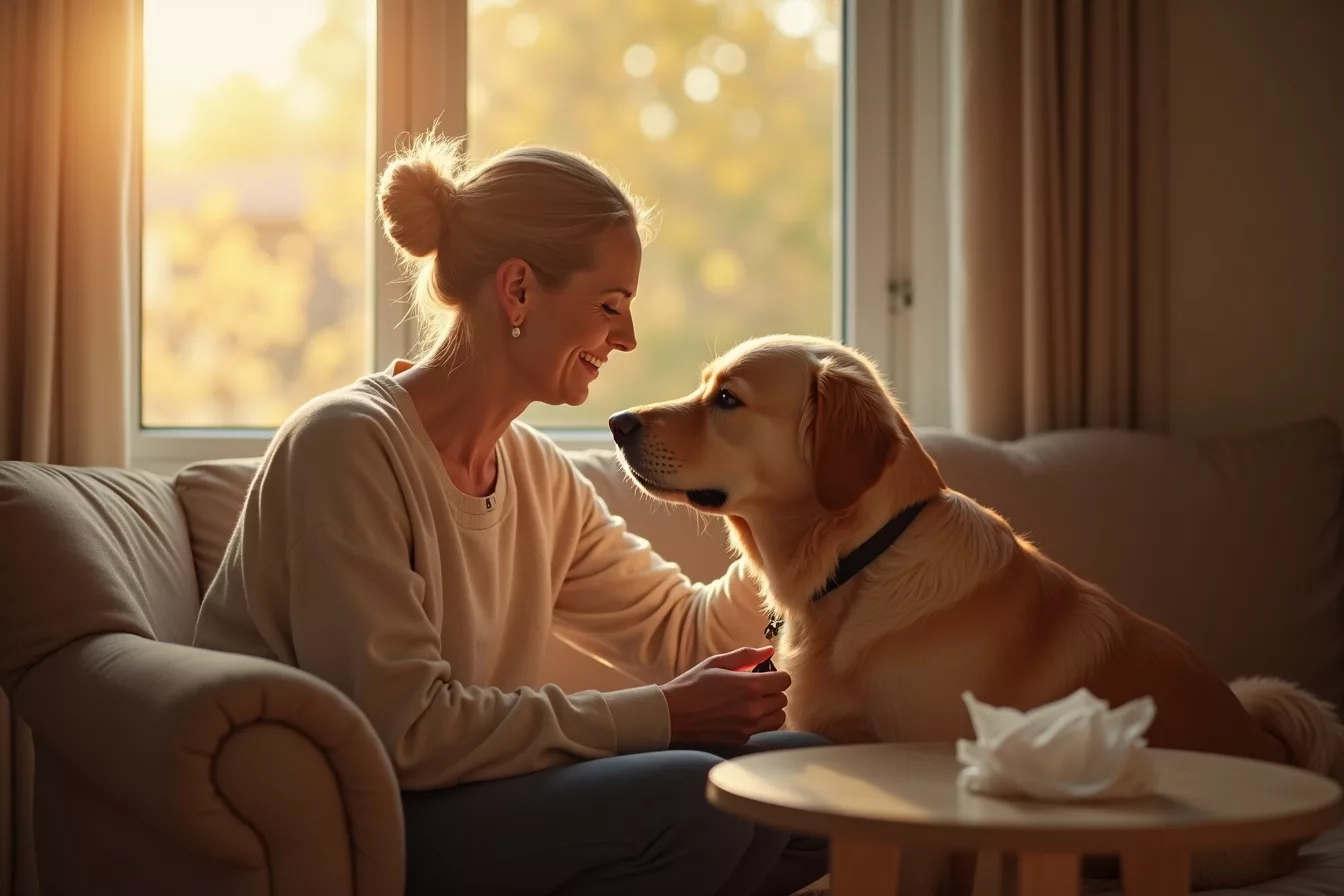

Losing a pet isn’t just losing an animal—it’s losing a family member, a daily routine, and a source of unconditional love. Yet many pet owners feel isolated in their grief, unsure whether their sadness is justified or when (or if) it’s appropriate to bring a new companion home. A 2025 study by the University of Bristol found that 71% of pet owners experience clinical symptoms of grief following their pet’s death, comparable to losing a human family member. In this article, you’ll discover evidence-based strategies for processing pet loss and a framework for deciding whether a new pet is right for you—without guilt or pressure. By the end, you’ll understand the one critical question that determines your readiness.
📊 Key Figures 2026
- 71% of pet owners report clinical grief symptoms after their pet’s death, according to the 2025 University of Bristol study.
- 42% of UK pet owners wait 6+ months before considering a new pet, with emotional readiness (not time) being the deciding factor (PDSA, 2025).
- 68% of vets recommend a grief support ritual to help owners process loss before rehoming (British Veterinary Association, 2025).
Sources: University of Bristol, PDSA, British Veterinary Association, 2025–2026
Why Pet Grief Is Real and Valid
Your pet wasn’t “just an animal.” Pets provide structure, emotional regulation, and a non-judgmental presence that humans often can’t replicate. When you lose a pet, you’re grieving the loss of daily rituals—walks, feeding routines, cuddles—as much as the animal itself.
Research shows pet owners who lose their companions often experience depression, anxiety, and difficulty concentrating (University of Bristol, 2025). This is especially pronounced if your pet was a working or emotional support animal, or if the loss was sudden or traumatic.
Stages of Pet Grief and What to Expect
Like human grief, pet bereavement follows patterns but not a fixed timeline. You may experience denial (“This isn’t happening”), anger (“Why didn’t the vet catch this earlier?”), bargaining (“If only I’d…”), depression, and finally acceptance.
Expect grief to be non-linear. A favourite toy, a specific time of day, or seeing another dog of the same breed can trigger waves of sadness weeks or months later. This is normal and doesn’t mean you’re “not over it.”
✅ Expert Tip
Create a pet memorial ritual within the first week. This might be planting a tree, writing a letter to your pet, or creating a photo album. According to grief counsellors working with pet owners, rituals accelerate emotional processing and prevent “stuck” grief. Max, a 9-year-old Cocker Spaniel from Manchester, was memorialised by his family through a charity donation in his name—they reported this gave them purpose and helped them move forward.
Healthy Coping Strategies
Talk about your pet openly. Many pet owners suppress their grief because they fear judgment. Speaking to understanding friends, pet-loss support groups (online and in-person), or a grief-specialised therapist validates your experience.
Honour their memory without rumination. There’s a difference between remembering your pet fondly and obsessively replaying their final moments or imagining “what if” scenarios. If you find yourself stuck in the latter, professional support is worth considering.
Avoid impulse rehoming. The urge to “fill the gap” immediately is powerful but often leads to poor decisions. Rushing into a new pet while in acute grief can mean adopting a pet that doesn’t suit your home or emotional capacity.
When Is It Safe to Get a New Pet? The Key Question
There’s no fixed timeline—but there is a critical test. Ask yourself: “Am I getting a new pet to escape my grief, or because I’m ready to welcome a new individual companion?”
If you’re seeking a “replacement” for your lost pet, you’re not ready. New pets are unique individuals with different needs, personalities, and quirks. Expecting them to be “like your old dog” will breed resentment and unfair pressure on the new animal.
⚠️ Warning
If you’re experiencing persistent insomnia, inability to eat, or thoughts of hopelessness beyond 3–4 weeks post-loss, pet bereavement may have triggered depression. Contact your GP or a mental health professional. Pet loss is legitimate grief, and you deserve support.
Signs You’re Ready for a New Pet
You can talk about your lost pet without crying uncontrollably. Sadness is fine; emotional overwhelm suggests you need more time.
You’ve cleaned up their space without feeling devastated. Putting away their toys, bed, or food bowls is a practical step—if doing so sends you into crisis, wait longer.
You’re excited about the prospect of a new pet’s personality, not just the role they’ll fill. Are you imagining playing with a new dog, or are you just desperate to stop coming home to an empty house? The former indicates readiness; the latter suggests you need more processing time.
You have emotional and practical capacity. A new pet requires energy, finances, and emotional presence. If you’re still managing acute grief, you may not have those reserves.
If You Do Decide to Rehome: Important Steps
Choose a different species or a markedly different breed to avoid subconscious comparison. If you had a large dog, adopting a cat or small breed prevents the constant contrast.
Consider adopting an older animal (5+ years) rather than a puppy or kitten. Older pets require less training intensity and are often overlooked at shelters; they can provide companionship without the demands of a young animal when your emotional reserves are recovering.
Tell the shelter or rescue about your recent loss. Ethical rescues will help match you with a pet whose personality complements your current emotional state and lifestyle.
It’s Okay Not to Get a New Pet
Some pet owners discover that after their loss, they’re content without another animal. That’s equally valid. There’s no obligation to replace your pet or to fill the space they occupied. Many people find that one special companion is enough for a lifetime.
The decision to rehome (or not) should come from genuine readiness and desire, not guilt or social expectation.
Losing a pet reshapes your daily life in ways non-pet owners often underestimate. The 2025 University of Bristol research affirming pet grief as legitimate has shifted professional understanding—your sadness is medically and emotionally valid. Whether you choose to welcome a new pet or honour your loss through memory alone, the most important step is allowing yourself to grieve fully. Have you felt pressure to “get over” your pet’s loss too quickly? Give yourself permission to take the time you truly need.