
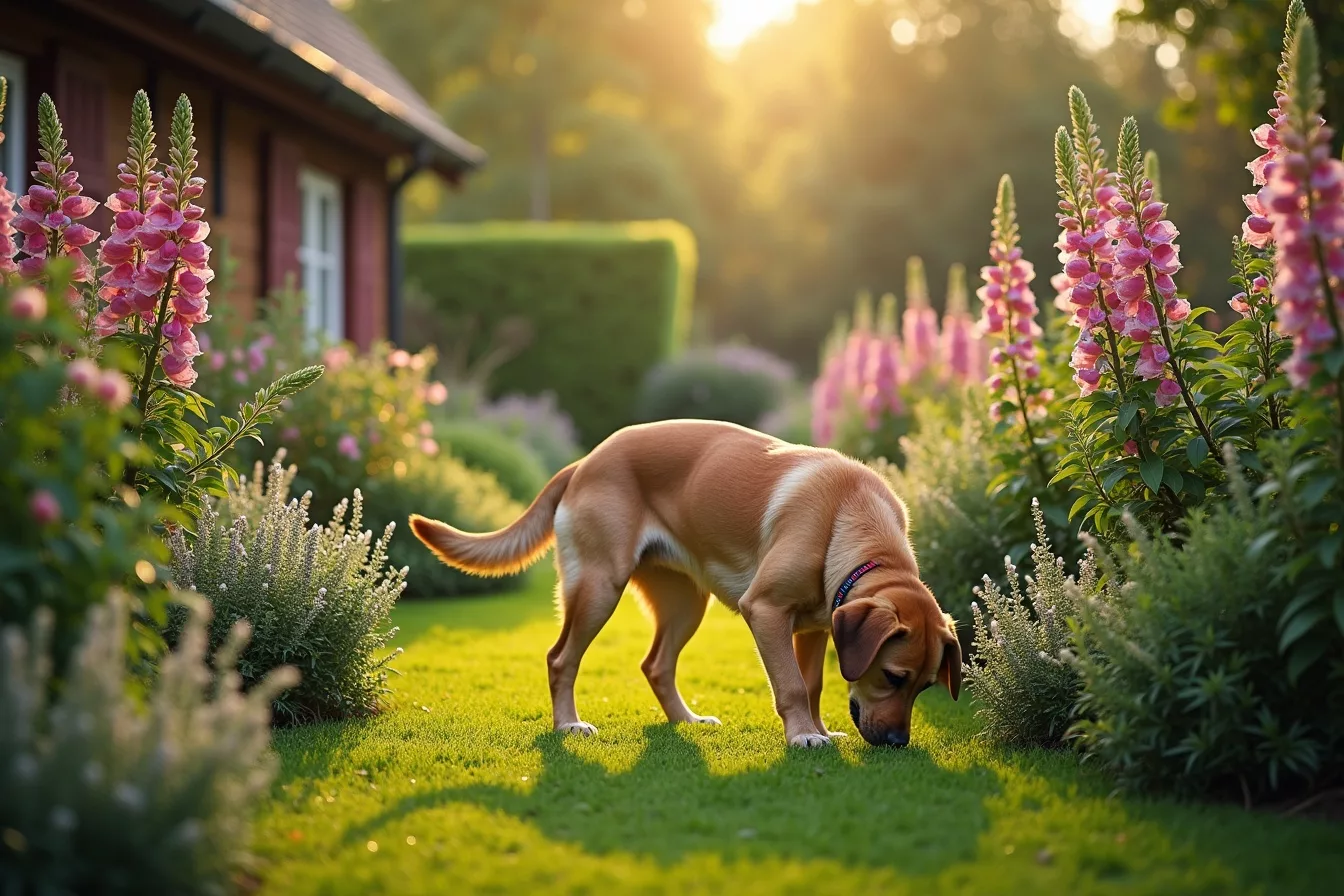

Every year, thousands of UK pet owners rush their beloved companions to the vet after accidental plant poisonings in their gardens. A 2025 study by the Royal Veterinary College found that 34% of garden-related pet poisonings involve ornamental plants, with spring and summer seeing a 67% spike in cases. In this article, you’ll discover which common UK garden plants pose the greatest risk to your dogs and cats—and the one surprising plant hiding in most British gardens that vets say causes the most emergency visits. By the end, you’ll have a pet-safe planting strategy that doesn’t mean sacrificing your garden’s beauty.
📊 Key Figures 2026
- 34% of garden poisonings involve ornamental plants: RVC analysis of UK veterinary records, 2025
- 67% rise in spring/summer cases: Pet Poison Helpline and RSPCA data, peak April–September
- Lilies remain the #1 cat toxin: British Small Animal Veterinary Association (BSAVA), accounting for 28% of feline plant emergencies
Sources: Royal Veterinary College, RSPCA, BSAVA 2025
The Hidden Killers in Your Garden
Your garden should be a safe haven for your pet. But many of us unknowingly plant danger. The truth is, some of the UK’s most beloved garden plants are toxic—sometimes fatally so—to dogs and cats.
⚠️ Warning
Lilies (Lilium and Hemerocallis species) are acutely toxic to cats. Even a small amount of pollen or plant material can cause kidney failure within 24–72 hours. If your cat has chewed, nibbled, or had pollen contact, contact your vet immediately—do not wait for symptoms.
1. Lilies – The Silent Threat to Cats
Easter lilies, tiger lilies, daylilies: all are extremely dangerous to cats. This is not a myth. The Royal Veterinary College has documented that lily toxicity remains the leading cause of acute kidney injury in UK cats. Even touching the pollen can be harmful.
A tabby cat named Maisie, from Bristol, developed acute kidney failure after brushing against lilies brought home as a gift. She required three days of intensive IV fluid therapy costing over £2,000. She survived, but many cats do not.
✅ Expert Tip
Remove lilies completely from your garden if you have a cat. Do not compromise. Store cut lilies in a separate room your cat cannot access. Always check bouquets for hidden lilies before bringing flowers indoors.
2. Sago Palm – Deadly for Dogs
Though more common in warmer climates, sago palms are increasingly grown indoors and in UK conservatories. Every part of this plant—seed, root, leaf—contains cycasin, a compound that destroys the liver. A single seed can kill a medium-sized dog.
Dogs that ingest sago palm show vomiting, lethargy, and abdominal pain within 12 hours. The PDSA warns that liver damage may not reverse, even with treatment.
3. Yew – The Garden Assassin
Yew trees are a staple of British gardens and churchyards. They’re elegant, evergreen, and contain taxine—a cardiotoxin that can stop a dog’s heart. Just a handful of leaves or berries can be fatal within hours.
The danger is compounded because dogs find the red berry attractive. A small amount causes vomiting and tremors; larger amounts cause collapse and death. There is no antidote.
✅ Expert Tip
If you have a yew tree, fence it off completely or remove it. Do not allow dogs unsupervised access to any area where yew grows, including neighbouring gardens visible through gaps in fencing.
4. Foxglove – Pretty but Poisonous
Foxgloves are beloved by UK gardeners for their tall spires of colour. But all parts—seeds, leaves, roots—contain cardiac glycosides. Ingestion causes vomiting, diarrhoea, irregular heartbeat, and seizures.
Toxicity can develop slowly, making diagnosis difficult. Symptoms may appear 6–24 hours after ingestion and worsen over days.
5. Oleander – The Underestimated Danger
Oleander thrives in UK conservatories and warmer gardens. Every component—leaves, branches, flowers, sap—contains cardiac glycosides. Both dogs and cats are susceptible. Ingestion causes mouth burning, excessive salivation, vomiting, abdominal pain, and abnormal heart rhythms.
The plant is also toxic if burned, so never use pruned oleander branches as kindling.
6. Rhododendron and Azalea – Spring Bloomers to Avoid
These beloved British ornamentals contain grayanotoxins. Even small amounts cause mouth irritation, vomiting, diarrhoea, hypersalivation, and weakness. Larger doses can trigger cardiac arrhythmias and collapse.
The risk is highest during spring when new growth is most attractive to curious pets.
7. Laburnum – The Yellow Danger
Laburnum trees produce cascades of golden flowers that brighten British gardens every May. But the entire plant, especially seed pods, contains quinolizidine alkaloids—toxins that cause severe gastrointestinal upset, tremors, and weakness in dogs and cats.
Children and pets are equally at risk, so consider removing this tree if your garden is a play and pet space.
What to Do If Your Pet Ingests a Toxic Plant
Time matters. Call your vet or the Animal Poison Control Centre (APCC) at 0844 892 0111 immediately. Have the plant name and estimated amount ingested ready. Do not induce vomiting unless instructed.
Keep a photo record of every plant in your garden on your phone. In an emergency, you’ll know exactly what your pet ate.
Safe Garden Alternatives
Your garden doesn’t have to be bare. Replace toxic plants with pet-safe options: roses, sunflowers, snapdragons, marigolds, and nasturtiums are all safe for dogs and cats. Hardy geraniums (not the houseplant Pelargonium), calendula, and cat grass are also excellent choices.
Pet-safe herbs like parsley, basil, and mint can even double as culinary additions. Create zones: toxic plants in raised beds with barriers, pet-friendly plants at ground level.
The surprising truth is that most UK gardens contain at least one plant toxic to pets. Many owners have no idea until it’s too late. The good news? With knowledge and small changes, your garden can be both beautiful and safe. Have you checked your garden yet? Start today—walk round with a notebook and photograph every plant. Then cross-reference each against the RSPCA’s pet poison guide. Your pet’s safety is worth an hour of your time.