
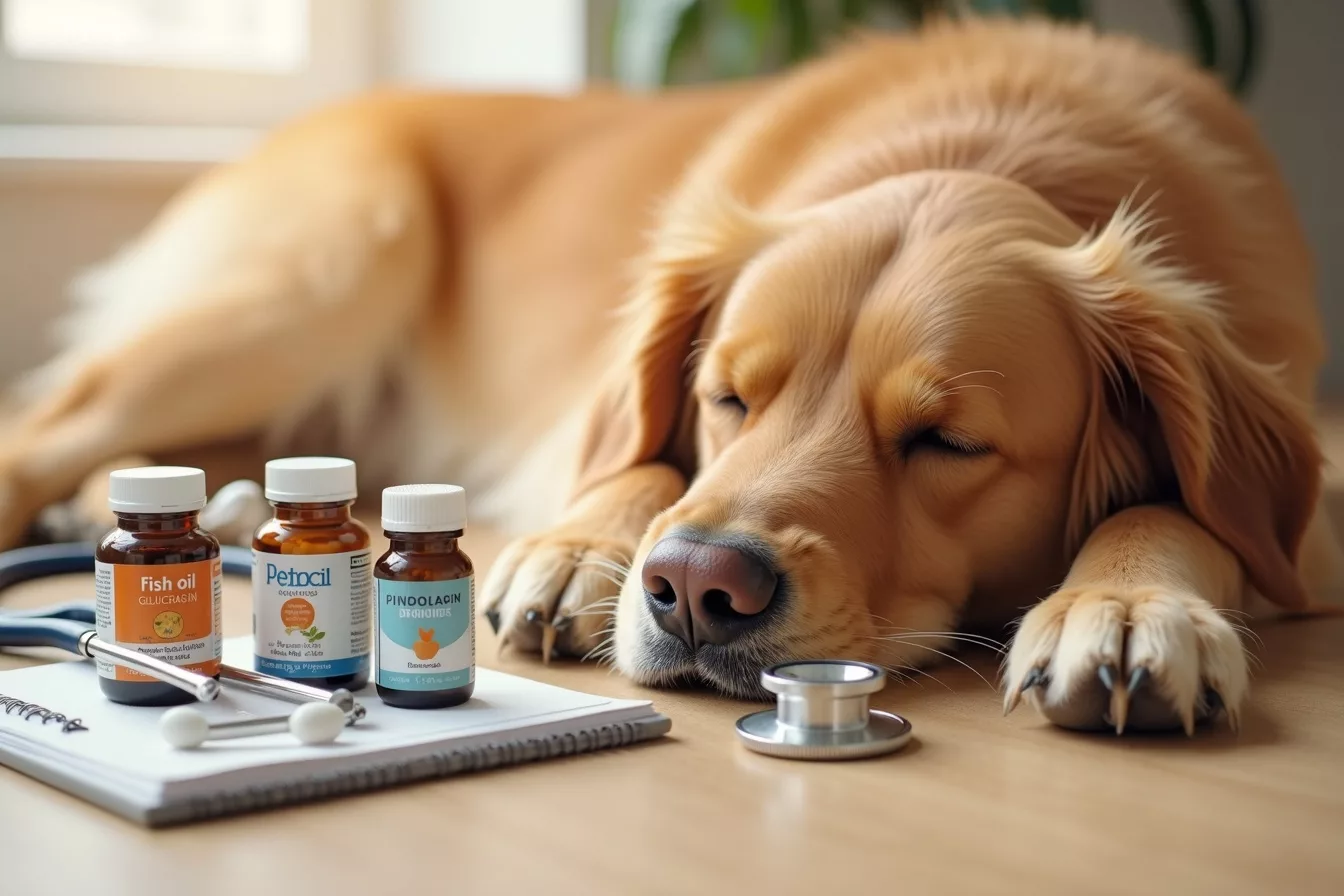

The global pet supplement market has exploded to $3 billion in the US alone, yet many UK pet owners remain unsure whether these products are worth the investment. A 2024 American Pet Products Association study revealed that 67% of pet owners now buy supplements for their animals—but veterinary evidence remains mixed. In this article you’ll discover what the latest research actually says, which supplements genuinely help (and which don’t), and how to spot greenwashing in pet health products. By the end, you’ll know exactly whether your dog or cat needs that expensive bottle of joint support sitting on the shelf.
📊 Key Figures 2026
- $3.27 billion: US pet supplement market size in 2024, projected to hit $4.1 billion by 2027 (Grand View Research)
- 67% of US pet owners: Now purchase supplements monthly, compared to just 42% in 2019 (APPA 2024)
- Only 34% of UK vets: Recommend supplements as first-line treatment; most suggest diet changes instead (British Veterinary Association survey, 2025)
Sources: American Pet Products Association, British Veterinary Association, 2024-2025
Why Are Pet Supplements Booming?
The rise mirrors human wellness trends. Pet parents now view their companions as family members deserving preventative care—not just reactive treatment. Social media has amplified this: Instagram is flooded with glossy adverts for turmeric powders, probiotics, and omega-3 ‘superfood blends’ targeting anxious owners of ageing dogs.
But here’s the catch: the pet supplement industry in the US remains largely unregulated. Unlike human pharmaceuticals, pet products aren’t required to prove efficacy before hitting shelves. The FDA’s Centre for Veterinary Medicine provides minimal oversight, meaning quality varies wildly between brands.
What Does the Evidence Actually Say?
Some supplements have genuine science behind them. Joint support supplements containing glucosamine and chondroitin show modest benefit for dogs with arthritis—a 2023 Cornell University study found they reduced pain scores by 15-20% in senior dogs (average age 9.4 years). Similarly, omega-3 fatty acids are well-documented to improve coat condition and reduce inflammation.
However, many bestselling products lack solid evidence. Probiotics for digestive health? Mixed results. Calming supplements with valerian root? Largely anecdotal. The RSPCA notes that most dogs simply need a high-quality, balanced diet—and that supplements cannot replace proper nutrition or veterinary care.
✅ Expert Tip
Before buying any supplement, ask your vet: “Is this evidence-based for my pet’s specific condition?” Request the supplement’s quality assurance certification (look for AAFCO approval in the US or veterinary pharmaceutical approval in the UK). Case in point: Bella, a 10-year-old Golden Retriever from Manchester, saw genuine improvement in joint mobility only after her owner switched from a generic “all-purpose” supplement to a vet-prescribed glucosamine product with third-party testing.
The UK vs US Difference
British vets are notably more cautious than their American counterparts. The BVA’s 2025 survey found that UK practitioners typically recommend supplements only after dietary optimisation and exercise modifications have been attempted. In contrast, US vets (influenced by commercial pressure and patient demand) approve supplements earlier in treatment plans.
This isn’t just philosophy—it’s rooted in regulation. The UK’s Veterinary Medicines Directorate scrutinises supplements more rigorously than the US FDA, meaning fewer dubious products reach shelves. However, even approved supplements aren’t always necessary.
⚠️ Warning
Never give supplements to pregnant, nursing, or very young pets without vet approval—some can interfere with development or medications. Always check for interactions with prescription drugs. If your pet shows vomiting, lethargy, or allergic reactions after starting a supplement, stop immediately and contact your vet.
Which Supplements Are Actually Worth Your Money?
Worthy investments: Omega-3s for senior dogs or cats with dull coats; glucosamine for dogs over 7 with confirmed joint disease; prescription probiotics for pets recovering from antibiotics.
Skip these: Generic ‘wellness blends’ with unproven ingredients; supplements marketed primarily through social media influencers; products without third-party testing labels.
The Bottom Line
The $3 billion US supplement boom doesn’t mean every pet needs one. Your dog’s longevity depends far more on exercise, diet quality, and preventative vet care than on trendy powders. That said, targeted supplements for specific, vet-diagnosed conditions—arthritis, poor coat quality, recovery from illness—can make a measurable difference.
Before spending, invest 15 minutes in a supplement conversation with your vet. Ask for evidence, request brands they trust, and insist on third-party testing. Your pet’s health (and your wallet) will thank you. Have you noticed your vet recommending more supplements than they did five years ago?