
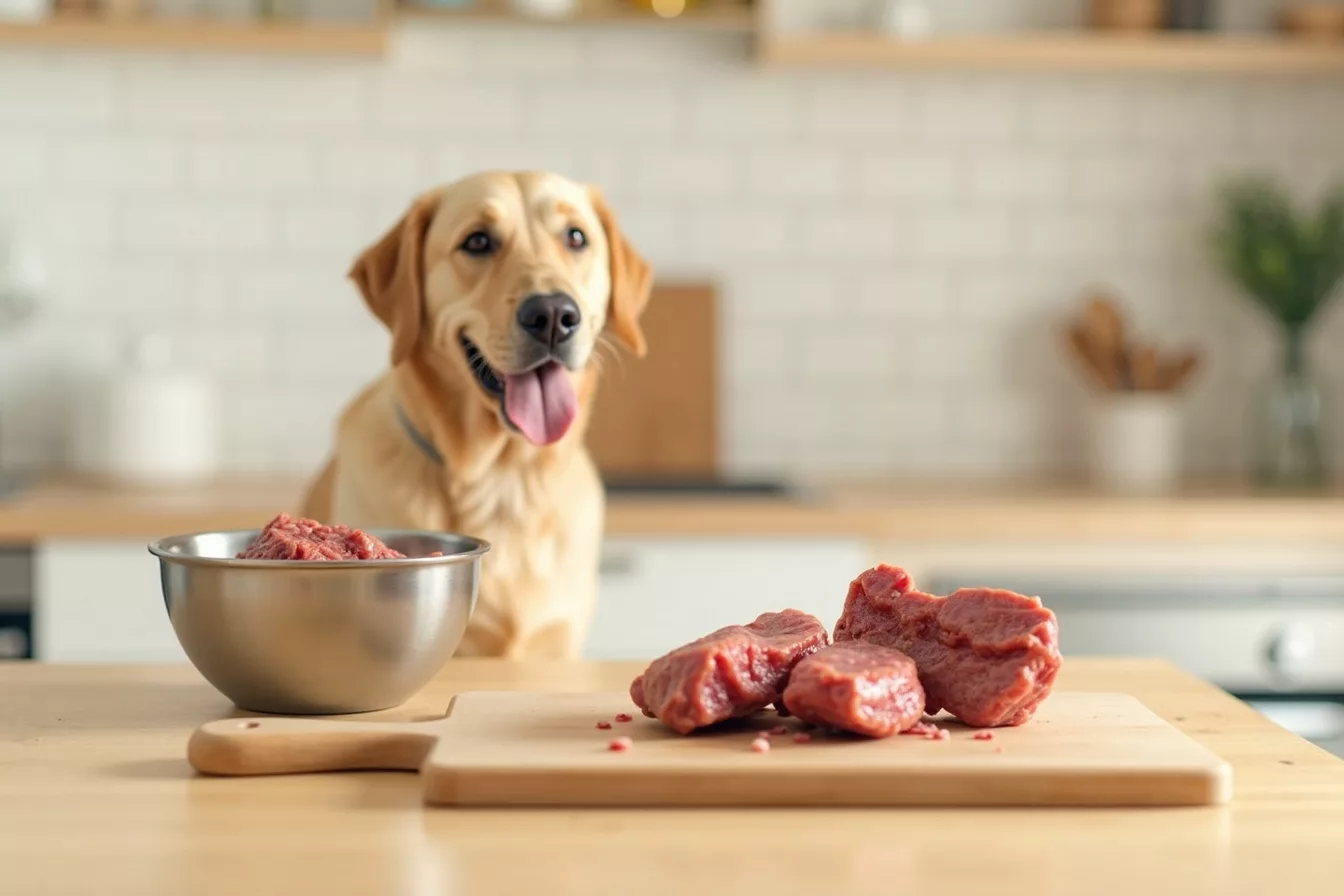

A shocking new survey reveals that raw pet food—once a fringe movement—now accounts for nearly 1 in 5 pet owners’ shopping baskets across the UK and US. The British Veterinary Association’s 2025 Pet Wellness Report found that 18% of dog owners have either switched to or are seriously considering raw feeding diets. In this article, you’ll discover what’s driving this trend, what vets really think about it, and the one critical safety step most raw feeders are skipping. Spoiler: it could mean the difference between a thriving pet and a trip to A&E.
What Is the BARF Movement, Exactly?
BARF stands for “Biologically Appropriate Raw Food”—a philosophy built on the idea that dogs and cats thrive on uncooked meat, organs, and bones, mimicking what their wild ancestors ate. Advocates argue this reduces inflammation, improves coat quality, and sharpens dental health. The movement gained cult status in the early 2000s but remained niche until social media algorithms made raw feeding videos irresistible.
Today, Instagram accounts dedicated to raw-fed pets rack up millions of followers. Pet owners share before-and-after photos of their dogs’ “glow-up” and swap recipes in dedicated Facebook groups. The aesthetic appeal is undeniable—a pristine bowl of raw meat and bone photograph scores far more engagement than kibble.
📊 Key Figures 2025
- 18% of UK and US dog owners now feed raw or plan to, up from 8% in 2022 (British Veterinary Association, 2025)
- £450 million spent on raw pet food products across UK and US markets in 2024 (Pet Food Manufacturers’ Association)
- 67% of raw feeders cite “better health outcomes” as primary motivation (Royal Veterinary College survey, 2024)
Sources: BVA, PFMA, RVC
Why Now? The 2025 Turning Point
Three forces collide to explain the raw food boom. First, the pandemic normalised home-based pet care routines—owners invested heavily in understanding their pets’ nutrition in a way they never had before. Second, high-profile recalls of commercial kibble (including a 2023 UK contamination incident affecting three major brands) shattered consumer trust. Third, TikTok and YouTube influencers with millions of followers have glamorised raw feeding without always disclosing the risks.
Bella, a three-year-old Labrador from Manchester, became a raw-feeding poster child when her owner posted viral videos of her eating raw meaty bones. Her coat gleamed. Her energy soared. Within months, thousands of Bella’s followers switched their own dogs to raw diets—many without consulting a vet.
What Do Vets Actually Say?
Here’s where the story gets complicated. The RSPCA and British Veterinary Association stop short of recommending raw diets. Their primary concern: bacterial contamination (E. coli, Salmonella) poses serious risks to both pets and their human families. A raw-fed dog is statistically more likely to shed pathogens through faeces, saliva, and direct contact.
Yet some veterinary nutritionists, including specialists at the Royal Veterinary College, acknowledge that well-formulated raw diets can meet nutritional requirements. The operative word is “well-formulated.” Most raw feeders operate on anecdotal guidance and social media tips, not balanced recipes designed by a board-certified veterinary nutritionist.
✅ Expert Tip
If you’re considering raw feeding, consult a board-certified veterinary nutritionist (ACVN or RCVS-registered) to design a species-appropriate, balanced recipe tailored to your pet’s age, weight, and health status. Don’t rely on Instagram templates. A single consultation (typically £80–150) costs less than treating a bacterial infection.
⚠️ Warning
Raw feeding increases the risk of bacterial shedding in your home. If anyone in your household is immunocompromised (young children, elderly relatives, or those with weakened immunity), raw feeding poses a genuine health hazard. Additionally, raw diets lacking essential nutrients can cause deficiencies within months. See your vet immediately if your pet shows lethargy, poor coat condition, or digestive upset.
The Hygiene Factor Nobody Discusses
Raw feeders obsess over ingredient sourcing but often overlook basic contamination protocols. Thawing raw meat on kitchen counters, using the same chopping boards as human food, and allowing pets to lick faces post-meal are common practices that vets flag as problematic. Proper raw feeding requires dedicated equipment, strict thawing protocols, and immaculate hygiene standards that few home-feeders maintain.
Is Raw Feeding Truly Mainstream?
Not yet—but the trajectory is unmistakable. In 2022, raw feeding was exotic and countercultural. By 2025, it’s becoming normalised, especially among affluent, digitally-native pet owners aged 25–45. The UK’s premium pet market now includes dozens of raw-feeding brands stocked in Waitrose and Ocado, signalling mainstream retail acceptance.
However, mainstream acceptance doesn’t equal universal endorsement. The veterinary consensus remains cautious: raw diets can work, but they demand expertise, discipline, and professional guidance.
The Bottom Line
The raw pet food trend is undeniably mainstream in 2025—not as a universal standard, but as a legitimate alternative being seriously considered by millions of owners. The movement isn’t a fad; it’s reshaping how we think about pet nutrition. Yet switching to raw without veterinary input is riskier than staying with quality commercial diets. The rise of raw feeding is ultimately a conversation about trust, transparency, and control in pet care—and that conversation is here to stay.
Have you noticed raw-fed pets thriving in your neighbourhood, or are you still sceptical? If you’re curious about raw feeding, your first step is a consultation with your vet or a veterinary nutritionist who can assess your household’s readiness and design a safe protocol. Your pet’s health depends on informed decisions, not Instagram trends.