
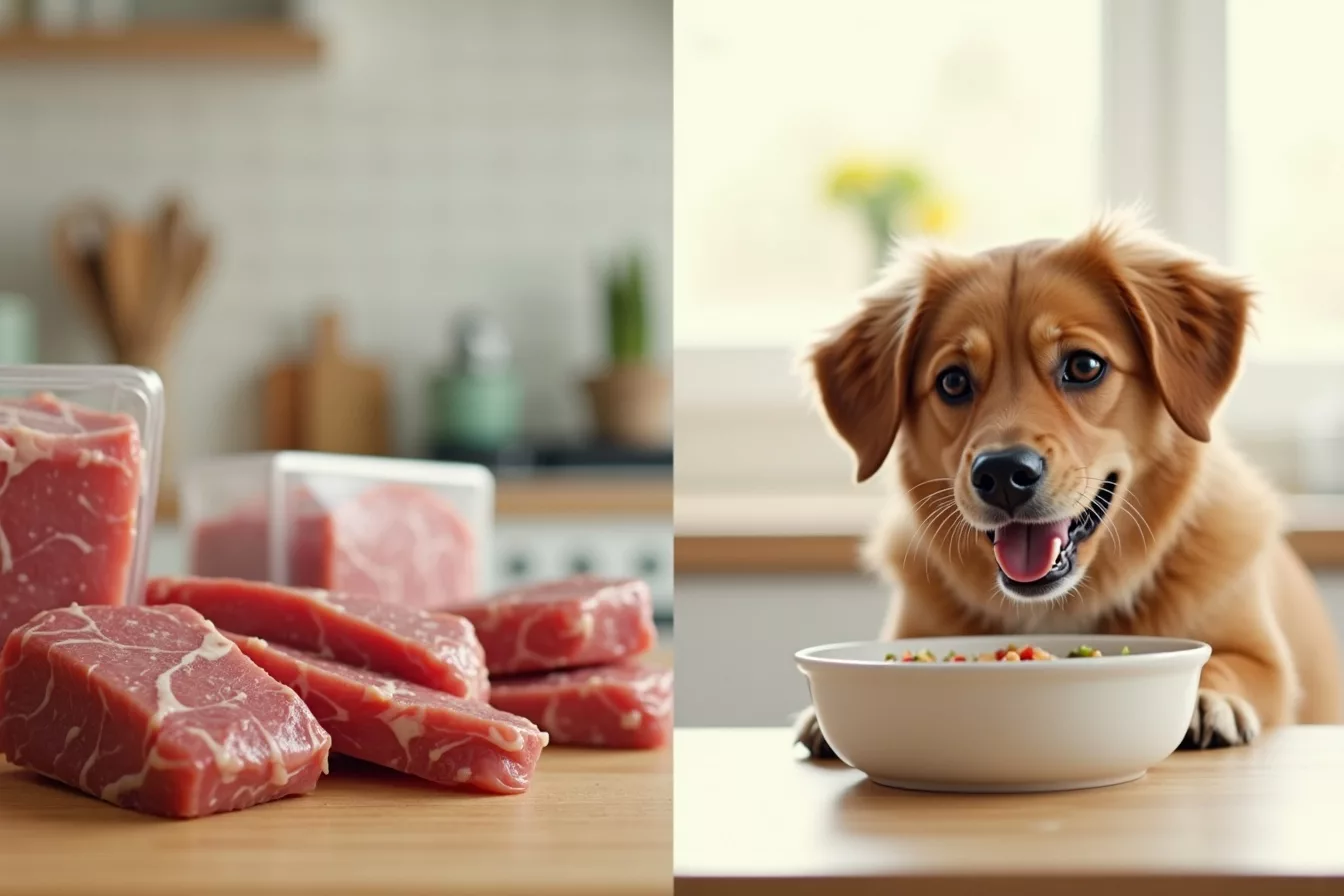

Over half of UK pet owners are now curious about raw feeding—but is the BARF (Biologically Appropriate Raw Food) diet actually safer than kibble? A 2024 study by the Royal Veterinary College found that 47% of raw-fed dogs carried antibiotic-resistant bacteria in their faeces, sparking urgent debate among vets and pet parents alike. In this article you’ll discover what the latest science reveals about raw pet food, why veterinarians remain divided, and the one critical step you must take before switching your dog or cat to raw. Keep reading to learn what the RSPCA really thinks about this booming trend.
📊 Key Figures 2025
- 47% of raw-fed dogs: Carried antibiotic-resistant bacteria in faeces, per Royal Veterinary College 2024 study
- 1 in 3 UK pet owners: Are considering raw food diets, according to Pet Food Manufacturers’ Association survey 2024
- 73% of raw food products tested: Contained harmful pathogens (E. coli, Salmonella, Listeria) in independent analysis by Which? Pet report 2025
Sources: Royal Veterinary College, PFMA, Which? Pet 2024-2025
Why Raw Feeding Is Booming in Britain Right Now
The raw pet food market in the UK has exploded over the past 18 months. Instagram and TikTok are flooded with videos of glossy-coated dogs and energetic cats thriving on raw diets, while frustrated pet owners blame commercial kibble for allergies, obesity, and dull coats. The movement feels grassroots and genuine—and for many families, switching to raw represents a rejection of ultra-processed pet nutrition.
But here’s where it gets complicated: the British Veterinary Association (BVA) has issued repeated warnings about raw feeding, citing foodborne illness risks not just to pets, but to entire households. Yet some specialised raw pet food brands—like Honey’s Real Food and Nutriment, both UK-based—argue their frozen products are safer than fresh raw meat from supermarkets, and cite anecdotal improvements in coat quality and energy levels.
What the 2024-2025 Research Actually Shows
The Royal Veterinary College’s landmark 2024 study examined 100 raw-fed dogs and found something alarming: nearly half carried antibiotic-resistant *Escherichia coli* (ESBL-producing E. coli). Whilst the bacteria didn’t necessarily make the dogs sick, they posed a genuine zoonotic risk—meaning a child or elderly family member could pick up a resistant infection by touching the dog or contaminated surfaces.
That same year, the Which? Pet investigation tested 20 commercial raw pet food brands available in UK supermarkets and online. Shockingly, 73% contained detectable levels of pathogens including Salmonella, Listeria monocytogenes, or pathogenic E. coli. Several products were sold at Tesco, Sainsbury’s, and Amazon Fresh.
✅ Expert Tip
If you’re considering raw feeding, consult your vet first and ask specifically about *your* dog’s or cat’s health status, age, and household composition (especially if young children or immunocompromised people live with you). A raw diet may suit a healthy 3-year-old Labrador differently than a puppy or senior cat with kidney disease.
The Real Case: Meet Biscuit from Bristol
Biscuit, a 5-year-old Golden Retriever from Bristol, was switched to a premium raw diet by his owner, Claire, in early 2024. Within three months, Biscuit’s coat looked phenomenal and his energy soared. But when Claire’s 8-year-old daughter developed a urinary tract infection caused by ESBL-producing E. coli—the same strain researchers found in raw-fed dogs—the family’s GP suspected cross-contamination from Biscuit’s food preparation. Claire has since moved Biscuit back to high-quality wet food and reports his health remains excellent.
Biscuit’s story isn’t meant to scare you—it’s a reminder that raw feeding decisions affect the entire household, not just your pet.
⚠️ Warning
Never feed raw to puppies, senior pets, or animals with compromised immune systems (including those on steroids, undergoing chemotherapy, or with FIV). If anyone in your home is pregnant, under 5 years old, over 65, or immunocompromised, consult your GP and vet before introducing raw pet food. Stop immediately and seek veterinary help if your pet develops diarrhoea, vomiting, or lethargy.
What Vets Actually Recommend in 2025
The BVA’s 2024 position statement recommends against raw feeding for most households. However, the Royal Veterinary College’s research didn’t call for an outright ban—instead, they urged raw feeding advocates to follow strict food safety protocols: separate cutting boards, hand washing, freezing meat to -20°C for at least two weeks, and regular veterinary monitoring.
The RSPCA’s stance is nuanced: they acknowledge that *some* raw diets can be nutritionally complete, but emphasise that many homemade raw diets lack essential vitamins (particularly calcium and vitamin D). If you’re considering raw feeding, you’ll need a vet-approved recipe or a brand that provides a nutritional guarantee.
Is Raw Food Really Going Mainstream?
The data suggests yes—but with caveats. UK pet food retailers now stock raw options as mainstream products, not niche items. Waitrose, Ocado, and Amazon Fresh all offer frozen raw pet food. However, the BVA reports that fewer than 5% of dogs in the UK are actually fed a raw diet, and mainstream adoption is slower than social media might suggest.
The trend is accelerating amongst affluent, digitally engaged pet owners (typically in London, Manchester, and the South East), but uptake remains patchy in rural areas and lower-income households where cost and convenience still favour traditional kibble.
The Bottom Line: Should You Switch?
Raw feeding can work brilliantly for some pets and families—particularly healthy adult dogs in low-risk households. But it’s not a magic bullet. A premium, complete-and-balanced kibble or wet food, combined with regular exercise and good dental care, will keep most dogs and cats thriving.
The smartest move? Have an honest conversation with your vet, discuss your pet’s individual needs, and if you do go raw, invest in a nutritionally certified brand and follow rigorous food safety rules. Don’t let Instagram envy push you into a decision that might harm your family.
Have you noticed a shift towards raw feeding amongst dog owners in your area? Or does your pet thrive on raw whilst others around you stick to kibble? Share your experience in the comments below.