
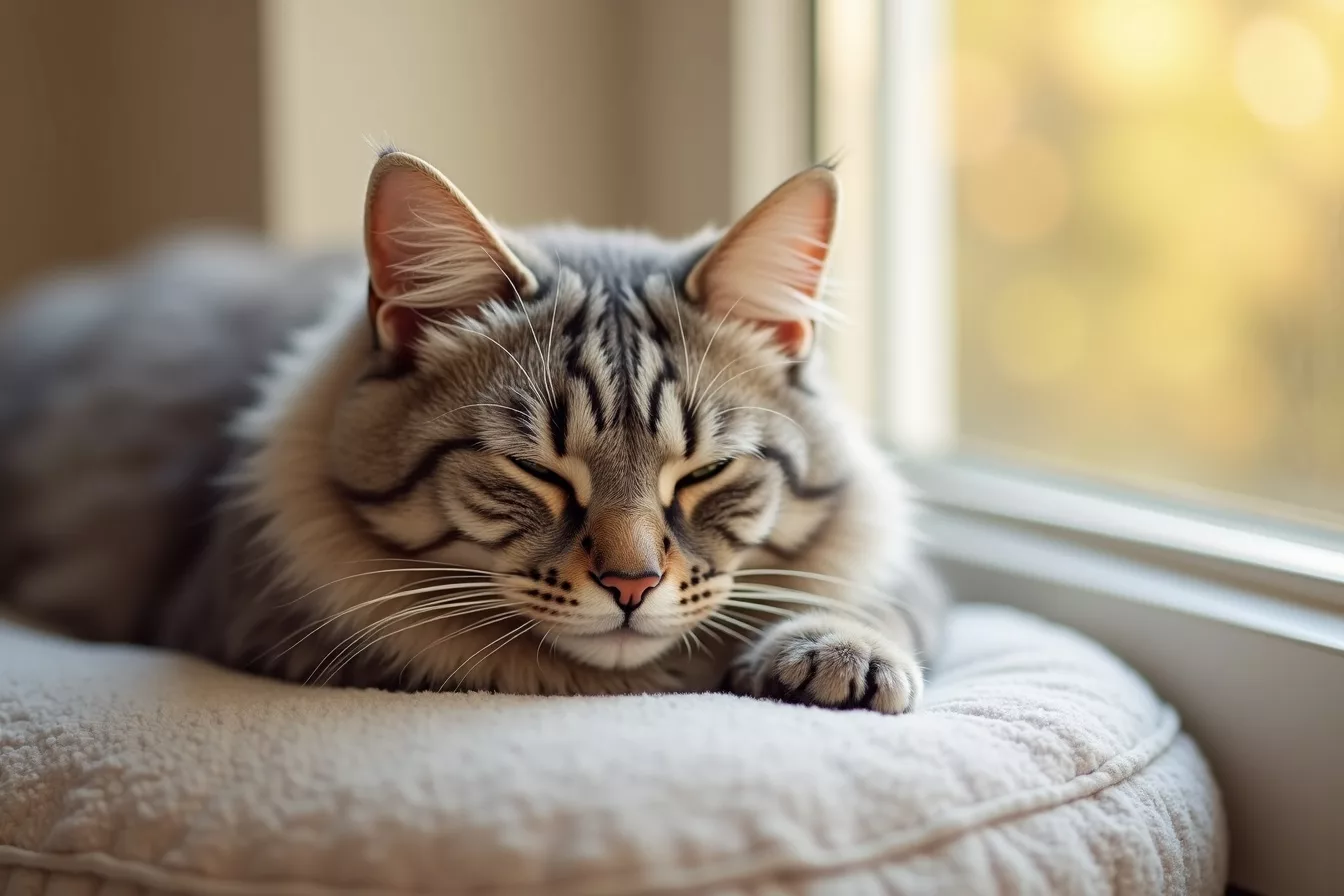

Did you know that 68% of cats over 10 years old have undiagnosed health conditions? According to a 2025 study published by the Royal Veterinary College, senior cats are one of the most overlooked age groups in feline healthcare. In this article you’ll discover exactly what happens to your cat’s body at 10, 12, and 15 years old—and the single most important screening tool vets recommend that most owners miss entirely.
The 10-Year Milestone: When Everything Shifts
At 10 years old, your cat officially enters their senior years, and their body begins a dramatic transformation. Many owners assume their cat is simply slowing down, but what’s actually happening is far more complex. This is when organ systems start to show signs of age, often silently.
Your 10-year-old cat’s kidneys are particularly vulnerable at this age. Chronic kidney disease (CKD) affects approximately 1 in 3 cats by age 10, yet most owners won’t notice symptoms until the condition is advanced. Early signs include increased thirst, more frequent urination, and subtle changes in appetite.
Luna, a tabby from Manchester, was brought to her vet after her owner noticed she was asking for water more often. A simple blood test revealed early-stage kidney disease—caught just in time for dietary intervention to slow progression.
📊 Key Figures 2026
- 68% of cats over 10: Have undiagnosed health conditions (RVC Study, 2025)
- 1 in 3 cats by age 10: Develop chronic kidney disease (PDSA, 2024)
- 40% of senior cats: Show signs of cognitive dysfunction after age 11 (Feline Behaviour Institute, 2025)
Sources: Royal Veterinary College, PDSA, Feline Behaviour Institute
Age 12: The Thyroid and Arthritis Years
By 12 years old, your cat has likely experienced subtle physical decline you might not have consciously registered. This is when two conditions become increasingly common: hyperthyroidism and arthritis.
Hyperthyroidism affects roughly 20% of cats aged 12 and above. You might notice your cat eating more but losing weight, becoming hyperactive, or having a rougher coat. Unlike kidney disease, this condition is highly treatable with medication, diet, or even specialist procedures like radioactive iodine therapy.
Simultaneously, arthritis quietly develops in many 12-year-old cats, particularly those who were less active in their younger years. Your cat might struggle jumping onto furniture, take longer to settle into a comfortable position, or be reluctant to use the litter tray. Because cats are masters at hiding pain, these changes often go unnoticed.
✅ Expert Tip
At age 12, ask your vet about twice-yearly health screenings instead of annual checks. Early detection of thyroid problems and arthritis can add years of comfortable living. A simple blood panel costs £60-100 but can catch treatable conditions before they cause suffering.
Age 15: Cognitive Changes and Quality of Life
Reaching 15 years old is a genuine milestone—only about 1 in 5 cats live this long. But this age brings new challenges, particularly cognitive dysfunction, sometimes called feline dementia. Your cat might become disoriented, yowl at night without obvious reason, or forget where their litter tray is.
A 2025 study from the Feline Behaviour Institute found that 40% of cats over 15 show signs of cognitive decline. This isn’t behavioural—it’s a real neurological change that requires environmental adjustments and, in some cases, medication. Additional litter trays, night lights, and consistent routines become critical.
Dental disease, weight loss, and declining appetite are also common at 15. Your elderly cat’s nutritional needs have changed significantly since they were younger, and their taste preferences may shift. Many vets recommend moving to softer, more nutrient-dense foods designed specifically for senior cats.
⚠️ Warning
If your 15-year-old cat suddenly stops eating, becomes lethargic, or vomits repeatedly, contact your vet immediately. At this age, acute changes can deteriorate rapidly, and conditions like kidney failure or thyroid storms require urgent intervention. Don’t assume it’s normal ageing.
The One Screening Every Senior Cat Owner Misses
Despite their importance, only 34% of cat owners report taking their senior cats for regular health screenings. The RSPCA recommends a comprehensive geriatric panel including blood work, urinalysis, blood pressure measurement, and sometimes ultrasound—especially between ages 10 and 15.
Your vet should discuss pain management, dietary changes, and environmental modifications tailored to your cat’s specific conditions. Cats over 12 may benefit from supplements like glucosamine for joint health or prescription diets formulated for kidney support or thyroid management.
Have you noticed any of these changes in your senior cat? The key to extending their comfortable years isn’t complicated—it’s regular screening, honest conversations with your vet, and small environmental tweaks that make a big difference. Book a senior health check with your vet today, even if your cat seems fine. Early intervention saves lives.