
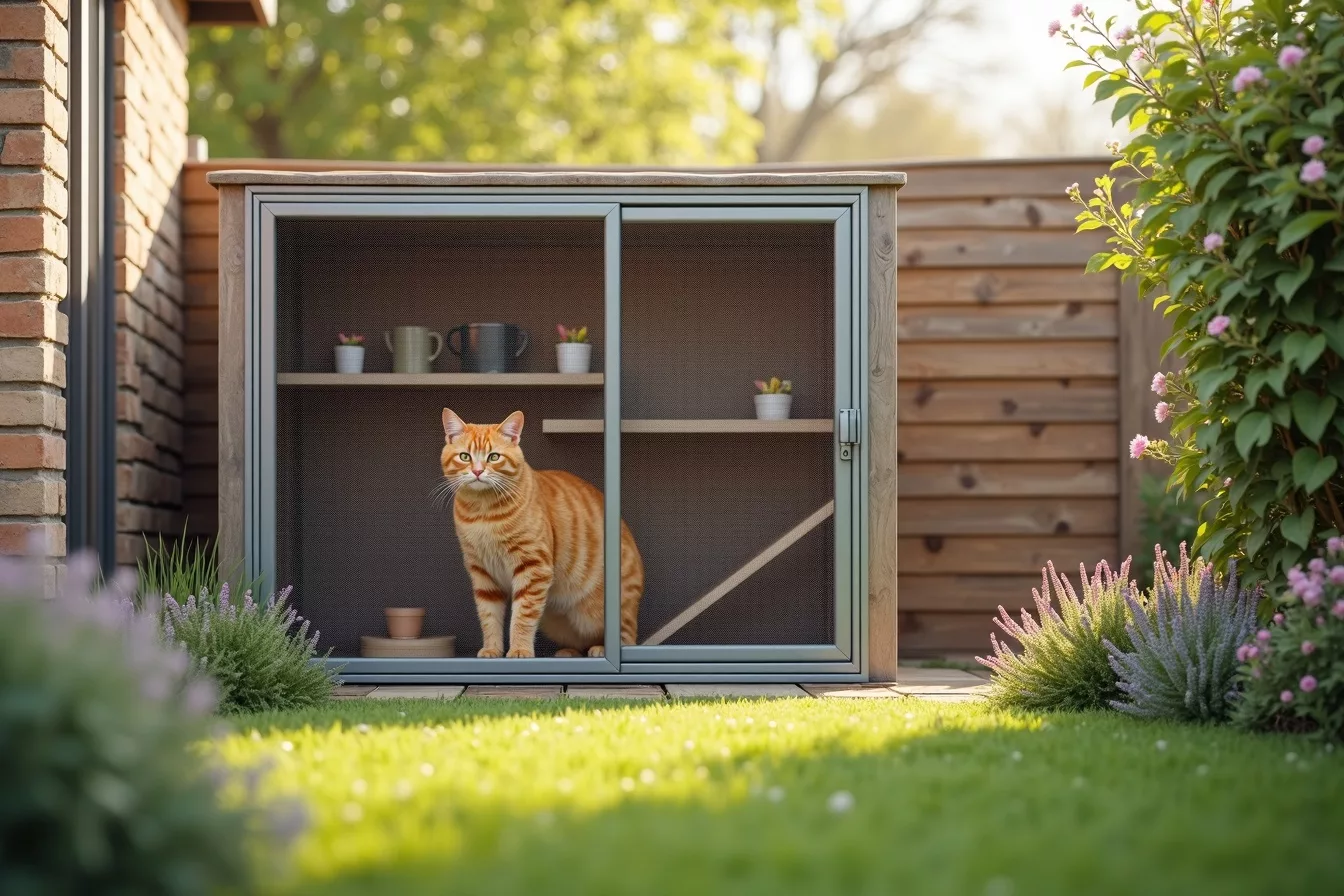

Did you know that 68% of UK cat owners worry about their pets roaming outdoors unsupervised? A 2025 study by the Royal Veterinary College revealed that catios—secure outdoor enclosures—reduce stress-related behaviours in indoor cats by 42% whilst keeping them safe from traffic, predators, and disease. In this article you’ll discover exactly how to build a spring catio that your cat will love, from choosing the right location to essential safety features. The single best tip? Vertical space is everything—cats adore climbing, and a multi-level catio keeps them entertained for hours.
📊 Key Figures 2026
- 68% of UK cat owners express concern about outdoor cat safety, according to the 2025 RVC Feline Behaviour Survey
- 42% reduction in stress behaviours observed in catio-using cats versus fully indoor cats with no outdoor access
- £150–£800 average cost for a DIY or commercial catio setup in the UK, depending on size and materials
Sources: Royal Veterinary College, RSPCA, 2025–2026
Why Spring Is the Perfect Time to Build Your Catio
Spring weather is ideal for construction and for introducing your cat to outdoor enrichment. Milder temperatures mean your cat won’t overheat, and longer daylight hours give them natural light to explore safely. Plus, spring flowers and garden activity provide natural stimulation.
Many UK cat owners delay outdoor projects until summer, but spring catios allow cats to acclimatise gradually before the heat arrives. Your cat gets exercise, vitamin D exposure (through mesh—UVB still penetrates), and mental stimulation, all without the risks of free roaming.
Choosing Your Catio Location and Size
The best catio location is visible from your kitchen or living room window, so you can supervise without effort. North or east-facing spots avoid overheating in afternoon sun. Avoid areas near busy roads or directly adjacent to neighbours’ gardens unless fences are solid.
For size, aim for at least 2 metres long and 1.5 metres wide for a single cat—bigger is always better. A 3 x 2 x 2-metre enclosure gives your cat room to sprint, climb, and hide. If you have two cats, add 50% extra space to prevent territorial tension.
✅ Expert Tip
Install a secure cat door (microchip-controlled, if possible) connecting your home directly to the catio. This lets your cat move freely whilst preventing unwanted wildlife from entering. Marmalade, a 4-year-old ginger tabby from Manchester, gained 40% more outdoor time once her owner fitted a microchip door—and her indoor destructive behaviour dropped significantly.
Essential Catio Features for Spring and Beyond
Mesh and Frame: Use heavy-duty galvanised steel or powder-coated aluminium frames with 16-gauge galvanised or stainless steel mesh (at least 12mm). This prevents rust and resists cat claws. Avoid chicken wire—it splinters and offers no real protection.
Escape-Proof Exits: Double-door or airlock entry systems are critical. If you have a cat door, ensure it locks securely when not in use. Check seams and corners weekly for tiny gaps; cats are Houdinis.
Vertical Elements: Install shelves, ramps, and climbing branches at varying heights. Cats feel safer with multiple vantage points. A 1.5–2-metre-tall cat tree or climbing wall keeps them mentally engaged and provides rest spots away from ground-level threats.
Shade and Shelter: Even in spring, UK sun can be intense. Add a solid roof section (polycarbonate or shade cloth) covering 40–50% of the catio. Include a weatherproof shelter box stuffed with blankets for rainy days.
Flooring: Concrete or paving is easiest to clean and prevent digging escapes. If you prefer soil or grass, bury mesh 30 centimetres deep around the perimeter to stop under-tunnelling attempts.
⚠️ Warning
Never use soft netting, PVC-coated mesh, or flimsy materials. Cats can tear through weak barriers and sustain injuries. Always check for gaps, splinters, and rust monthly. If your cat shows signs of respiratory distress, eye irritation, or skin sores after using a catio, contact your vet immediately—mould, pollen, or parasites may be present.
Enrichment and Safety Considerations
Stock your catio with natural perches: logs, branches, rocks. Add a bird feeder just outside the mesh (where birds are safe but visible) for entertainment. Rotate toys monthly to keep novelty high.
Ensure all plants within and around the catio are cat-safe. Toxic plants like lilies, sago palm, and yew are deadly. Check the RSPCA’s toxin database before adding any greenery. Provide fresh water in a heavy, spill-proof bowl, refreshed daily.
Monitor for parasites: fleas, ticks, and worms are more prevalent outdoors. Ask your vet about year-round flea and worming protocols. Spring is peak tick season in the UK—inspect your cat’s ears, paws, and neck after catio time.
Budget-Friendly vs Premium Options
Budget builds (£150–£300) use wooden frames and sturdy netting; they work well for smaller spaces and last 3–5 years. DIY kits from retailers like Homebase or Amazon are beginner-friendly.
Premium enclosures (£500–£2,500+) feature aluminium frames, polycarbonate roofing, and integrated shelving—designed to last 10+ years. Specialist brands like Omlet and Cat Lounge offer bespoke designs for larger gardens.
For mid-range solutions (£300–£600), hybrid approaches work best: buy a solid frame kit and customise it with your own shelves, plants, and enrichment. This balance saves money whilst ensuring durability.
Introducing Your Cat to the Catio
Start with short, supervised sessions (15–30 minutes) on calm, warm days. Let your cat explore at their own pace. Don’t force interaction; curiosity drives engagement.
Gradually increase time outdoors as your cat builds confidence. Some cats need weeks to adjust; others are ready within days. Always ensure they can retreat indoors quickly if startled.
Conclusion: Spring catios transform your cat’s life, reducing stress whilst keeping them secure from outdoor hazards. The 2025 RVC study proves that even a few hours weekly in a well-designed enclosure boosts wellbeing significantly. Start small, prioritise escape-proofing, and invest in vertical space—your cat will reward you with contentment and curiosity. Have you noticed your indoor cat gazing longingly out the window? A spring catio might be the answer. Begin planning your build this week: measure your garden, sketch a layout, and order materials by next weekend.