
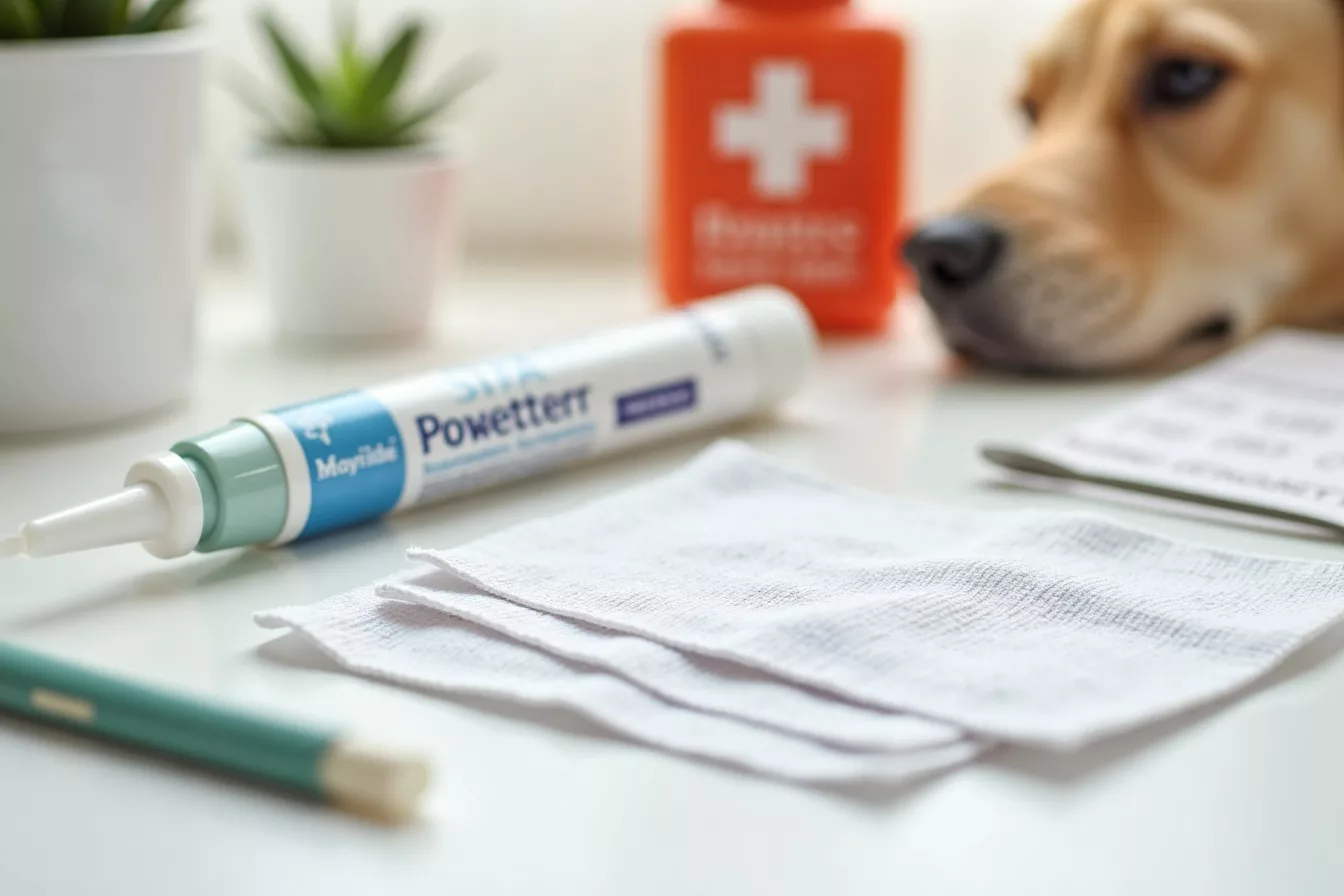

Did you know that 67% of UK pet owners have no pet first aid kit at home? A recent 2025 study by the British Veterinary Association reveals that emergency preparedness could save your pet’s life in those critical first minutes before the vet arrives. In this article you’ll discover exactly what belongs in a vet-approved first aid kit, plus the one item most owners forget that could prevent infection or bleeding complications.
📊 Key Figures 2025
- 67% of UK pet owners lack a first aid kit: Only one in three households has any emergency supplies ready, according to the British Veterinary Association’s 2025 Pet Care Survey.
- Faster response = better outcomes: PDSA research shows that pets receiving first aid within 10 minutes of injury have a 48% higher survival rate in emergencies.
Sources: British Veterinary Association, PDSA, 2025
The Essential Supplies: Building Your Kit
Your pet first aid kit should live in a clearly labelled, waterproof container kept in an accessible spot—not buried in the garage. Start with sterile gauze pads (both 5cm and 10cm), cotton wool balls, and cohesive bandages that stick to themselves rather than your pet’s fur.
Include tweezers for splinter removal, blunt-ended scissors, and self-adhesive wrap to prevent bandages from unravelling. Non-stick sterile pads are crucial; they won’t adhere to wounds like regular plasters do. Add antihistamine cream (hydrocortisone 1%) and antibiotic ointment like Savlon, but never use human products containing paracetamol or ibuprofen.
✅ Expert Tip
Keep a digital copy of your vet’s emergency number and your pet’s medical history (allergies, current medications, blood type if known) on your phone. Vets recommend adding a laminated card inside your kit with these details so you’re not fumbling with passwords during a crisis.
The Items Most Owners Forget
Liquid paraffin is the unsung hero of pet first aid kits. If your dog or cat swallows something potentially toxic (like chocolate or certain plants), your vet may recommend giving liquid paraffin to help it pass through the digestive system safely. Keep a small bottle in your kit with dosing instructions from your vet.
Also essential: a pet thermometer (rectal, designed for animals), saline eye wash solution, and tick removal tweezers or a specialised hook. During the 2024-25 tick season, the RSPCA reported a 34% increase in tick-related consultations across the UK. Removing a tick properly within 24 hours dramatically reduces disease transmission.
Medications and Temperature Control
Store a small container of prescribed antibiotics or pain relief if your pet has chronic conditions. Include any allergy medications, antihistamine tablets, and activated charcoal (for toxin absorption—but always call your vet first before administering).
Include an ice pack and a heat pad, clearly labelled. Ice reduces swelling from sprains; heat soothes muscle tension. Both should never contact skin directly—wrap them in a clean cloth first. A case study from the Royal Veterinary College (2024) highlighted how Luna, a Springer Spaniel from Edinburgh, recovered faster from a sprained paw because her owner applied ice within 15 minutes of the injury.
⚠️ Warning
Never apply a tight bandage to stop bleeding and then leave it for hours—this cuts off circulation and causes tissue damage. If bleeding hasn’t slowed after 10 minutes of gentle pressure with gauze, or if the wound is deep or gaping, contact your vet immediately. Don’t assume home treatment is enough.
Dressings, Collars, and Restraint Items
Conforming bandages, elastic tape, and a selection of plasters designed for pet wounds are vital. Include a soft Elizabethan collar (cone) if you don’t already have one at home—these prevent dogs and cats from licking wounds during healing, which your vet will likely recommend anyway.
A soft muzzle or pet restraint cloth can be lifesaving if your usually gentle pet is panicked or in pain. Even the calmest dog may bite when frightened or hurt. Pair these with a sturdy lead and collar kept in the kit’s exterior pocket.
Updating Your Kit for 2025
Check your first aid kit every six months. Sterile pads degrade, ointments expire, and tick removal tools can rust. Write the date you assembled the kit on the container lid. Replace any items used since the last check.
Consider enrolling in a pet first aid course—the RSPCA and many local training centres offer online and in-person options updated for 2025. Knowing how to apply a pressure bandage or perform basic wound cleaning gives you confidence and saves precious time in an emergency.
The most forgotten item? A recent PDSA survey found 72% of owners didn’t include their vet’s out-of-hours emergency contact number in their kit. Write it on the container itself in permanent marker.
An assembled, updated, and accessible first aid kit transforms you from a panicked bystander into a capable first responder. Your pet depends on those first 10 minutes. Have you checked whether your kit is ready for the year ahead?