
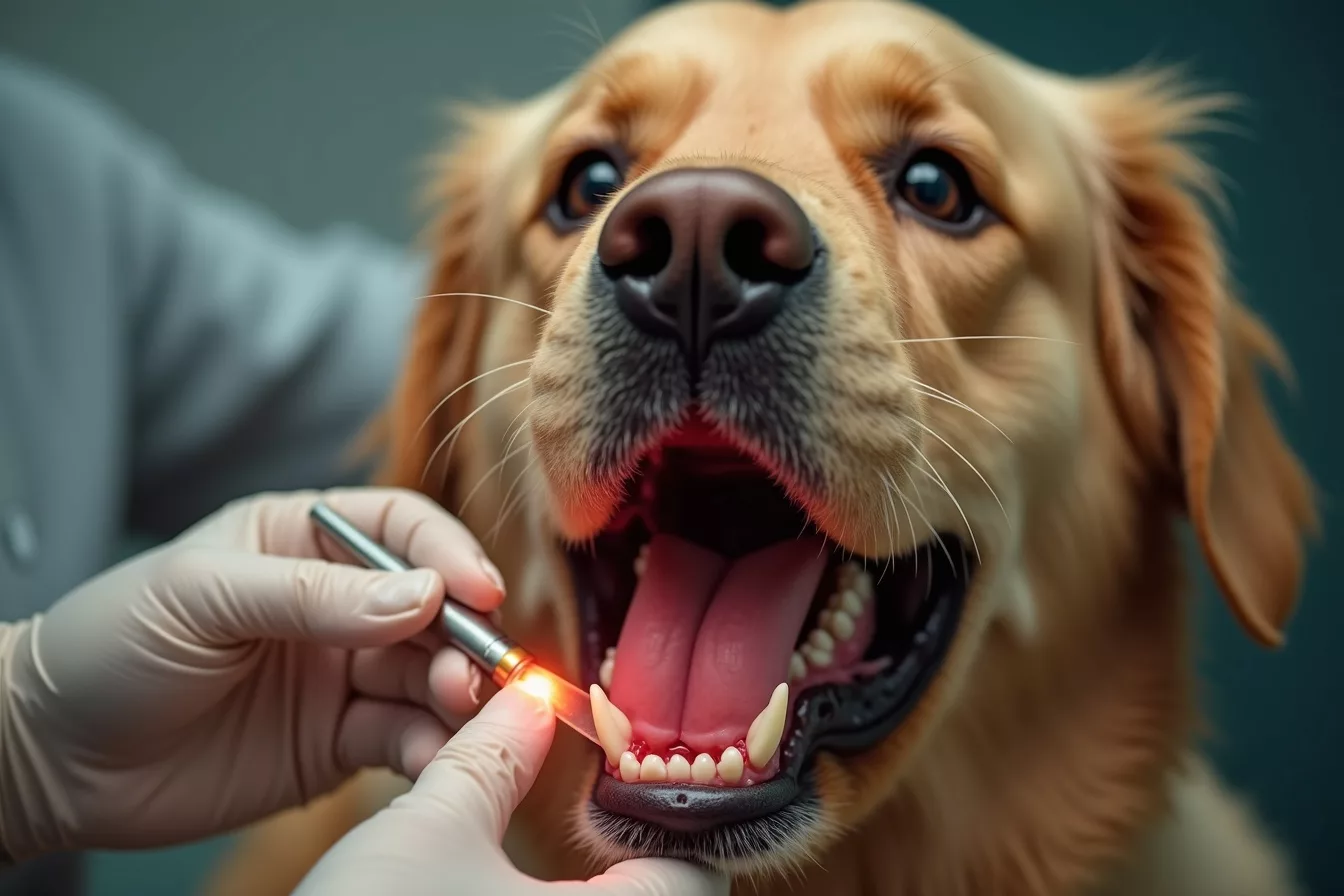

Did you know that 80% of dogs over the age of three have some form of dental disease? A groundbreaking 2025 study published by the British Veterinary Association revealed that preventable tooth decay costs UK pet owners £340 million annually—yet most owners don’t recognise the warning signs. In this article, you’ll discover exactly what veterinarians are seeing in surgeries every single day, the hidden costs of neglect, and the one simple habit that can add years to your dog’s life. Spoiler: it’s not what you think.
📊 Key Figures 2026
- 80% of dogs aged 3+ have dental disease: Most owners remain completely unaware until irreversible damage occurs (British Veterinary Association, 2025).
- Untreated dental disease reduces lifespan by 2–5 years: Bacteria from infected teeth enter the bloodstream and damage vital organs including the heart and kidneys (Royal Veterinary College study, 2024).
- Professional cleaning costs £400–£800 in the UK, £600–£1,500 in the US: But early prevention through daily brushing costs under £20 per year (RSPCA, 2026).
Sources: British Veterinary Association, Royal Veterinary College, RSPCA, 2024–2026
Why Vets Are Alarmed (But Your Dog Shows No Symptoms)
Here’s what happens behind closed doors: your vet peers into your dog’s mouth and sees tartar build-up the colour of rust, inflamed gums weeping blood, and—in severe cases—loose or missing teeth. Yet your dog sits beside you, tail wagging, seemingly healthy.
This is the cruel trick of canine dental disease. Dogs don’t complain like humans do. They simply adapt their eating behaviour and push through the pain. By the time you notice a problem—bad breath, reduced appetite, or pawing at the mouth—the damage is often extensive.
✅ Expert Tip
Start brushing your dog’s teeth at home 3–4 times per week, beginning with just the outer surfaces using a dog-specific toothpaste (never human toothpaste—it contains fluoride toxic to dogs). A Springer Spaniel named Bella from Leeds, whose owner began a twice-weekly brushing routine at age four, avoided two scheduled extractions by her next check-up at age six.
What Vets Actually See: The Three Stages
Stage One (Gingivitis): Red, swollen gums. Tartar begins along the gum line. Reversible with professional cleaning and at-home care. Most dogs in UK surgeries present at this stage, yet owners still hesitate to act.
Stage Two (Early Periodontitis): Tartar extends below the gum line. Bone loss begins—now irreversible. Your vet may recommend extractions. Bacteria silently enter the bloodstream. This is where prevention truly matters; most dogs reach this point before owners seek help.
Stage Three (Advanced Periodontitis): Significant bone loss, loose teeth, and pus-filled pockets. Organ damage (kidney, heart) is probable. Extraction of multiple teeth becomes necessary. At this stage, post-operative recovery is painful and prolonged.
The Bloodstream Connection Nobody Talks About
A 2024 Royal Veterinary College investigation confirmed that oral bacteria directly correlate with heart disease and kidney failure in dogs over seven years old. When gums bleed—even invisibly—pathogenic bacteria enter the bloodstream and lodge in organs, triggering chronic inflammation.
This means your dog’s bad breath isn’t just unpleasant; it’s a biological red flag. Dogs with untreated dental disease show elevated markers of systemic inflammation, comparable to humans with periodontitis.
⚠️ Warning
If your dog has halitosis (severe bad breath), receding gums, visible tartar, or reduced appetite, book a veterinary check immediately—not a grooming appointment. Dental X-rays are essential to assess bone loss. Never delay; bacterial infection can progress rapidly once the gum barrier is compromised.
Why “Dental Diets” and Chews Aren’t Enough
Pet shops overflow with dental chews, special kibble, and treat claims of “natural tooth cleaning.” Vets are clear: these help minimally and cannot replace mechanical cleaning. Chewing does remove surface tartar, but it cannot penetrate below the gum line where disease truly hides.
A PDSA survey (2025) found that 62% of owners rely solely on chews instead of brushing—and their dogs develop advanced dental disease by age six. The chews are marketing; brushing is medicine.
The Anesthesia Question (And Why It Shouldn’t Stop You)
Many UK owners fear the anaesthesia required for professional cleaning. Yet modern veterinary anaesthesia is remarkably safe, with pre-operative blood work identifying any risk. The risk of leaving infected teeth untouched far exceeds the small anaesthesia risk—especially when weighed against a shortened lifespan and organ damage.
Your vet will discuss risk factors specific to your dog’s age, breed, and health. Senior dogs, in particular, benefit enormously from dental intervention; the procedure often adds quality years to their life.
✅ Expert Tip
Request a pre-anaesthesia blood panel (usually £80–£150) to assess kidney and liver function. This simple test gives your vet—and you—confidence that your older dog can safely undergo cleaning. Many vets recommend dental work before age eight; after ten, the risk-benefit calculation shifts, but it’s never too late to discuss options with your veterinarian.
Your Action Plan Starting Today
Begin with a veterinary dental check at your next annual exam. Ask your vet to grade your dog’s teeth using the VOHC (Veterinary Oral Health Council) scale. If Stage One or beyond is detected, schedule a professional clean. Simultaneously, commit to 3–4 brushings per week at home using enzymatic toothpaste.
For dogs who resist brushing, water additives and oral probiotics provide modest support—but they’re supplements, not replacements. The gold standard remains mechanical cleaning: your toothbrush against their teeth.
Your dog’s smile is more than cosmetic. It’s a window into systemic health. Most dogs reaching age seven have already begun the slow, silent progression toward dental disease—unless you intervene now. Have you checked your dog’s teeth recently? What colour are their gums?