
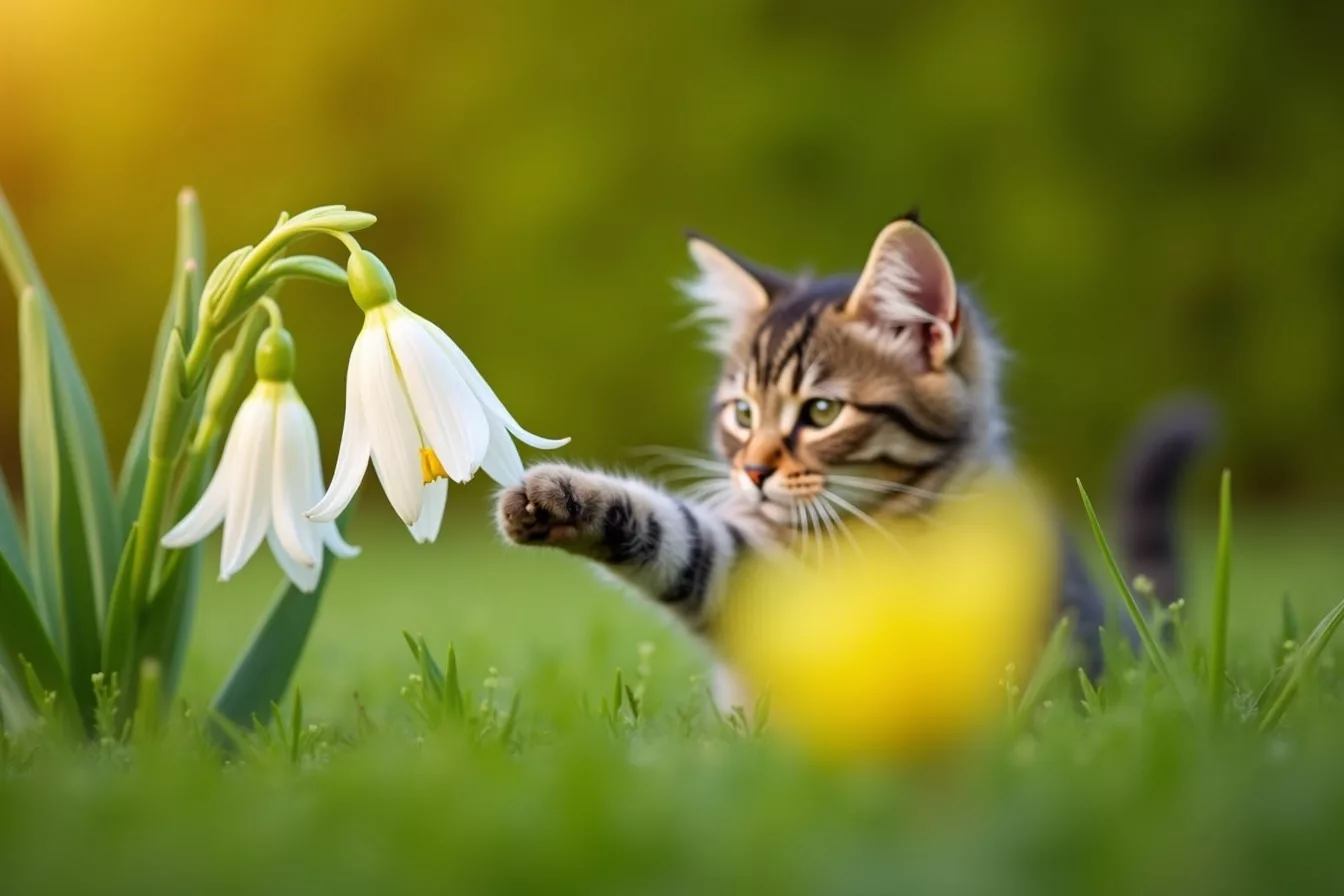

Every year, thousands of UK pet owners rush their beloved dogs and cats to emergency vets after garden poisonings that could have been prevented. A 2025 study by the Royal Veterinary College found that 34% of pet poisoning cases involve common garden plants—and most owners had no idea they were dangerous. In this article, you’ll discover which everyday UK plants are silently toxic to your furry friends, and the one warning sign that demands immediate veterinary action.
📊 Key Figures 2026
- 34% of pet poisoning cases: Linked to common garden plants, according to the Royal Veterinary College 2025 toxicology report
- Lilies remain the #1 killer: Just 2-3 leaves can cause acute kidney failure in cats within 48 hours (PDSA, 2025)
- £1,200 average emergency vet bill: For plant poisoning treatment in the UK (BVA cost survey, 2025)
Sources: Royal Veterinary College, PDSA, British Veterinary Association, 2025-2026
Lilies: The Silent Assassin in Your Flower Bed
Easter lilies, tiger lilies, Asiatic varieties—they’re all hidden killers for cats. The toxin affects the kidneys so rapidly that by the time symptoms appear (lethargy, loss of appetite, vomiting), irreversible damage may already be underway. Even pollen on a cat’s fur, licked during grooming, poses a serious risk.
Dogs are less vulnerable to lilies but aren’t completely safe. The real danger? Many owners plant lilies without realising their cat has outdoor access.
⚠️ Warning
If your cat has chewed any part of a lily—even just touched the pollen—contact your vet within 2 hours. Early fluid therapy can prevent kidney failure. Do not wait for symptoms to develop. Time is critical.
Sago Palm, Yew & Rhododendrons: The Big Three
Sago palms contain cycasin, a toxin that destroys the liver. Just one seed can cause fatal hepatic failure in both dogs and cats. Yew trees are equally sinister—every part (needles, bark, seeds) contains taxine alkaloids that trigger cardiac arrhythmias and sudden death. A Labrador named Max, from Surrey, collapsed within hours of chewing yew clippings his owner had left in the garden bin.
Rhododendrons and azaleas contain grayanotoxins, which cause drooling, vomiting, diarrhoea, and—in severe cases—heart problems. They’re especially common in UK gardens and bloom predictably, making them an annual hazard.
✅ Expert Tip
Create a “forbidden zone” in your garden by fencing off flower beds containing toxic plants. Use decorative pet-safe barriers or trellis panels. If you must keep dangerous plants, ensure your shed or greenhouse is locked and pruning waste is disposed of securely—never left in heaps for pets to investigate.
The Sneaky Culprits: Foxgloves, Laburnum & Oleander
Foxgloves look delicate and innocent, but their leaves and seeds contain cardiac glycosides that disrupt heart rhythm. Laburnum trees produce chains of golden flowers that resemble toys to curious dogs—the seeds are the most toxic part, causing severe gastroenteritis and neurological signs. Oleander is less common in UK gardens but increasingly fashionable; it’s deadly to both species.
Autumn crocuses (different from spring varieties) contain colchicine, a poisonous alkaloid that causes internal bleeding and organ failure. Many owners confuse them with harmless spring crocuses.
Common Vegetables & Houseplants Hiding in Plain Sight
Onions, garlic, and tomato plants (especially unripe fruit) damage red blood cells in dogs and cats. Avocado contains persin, which causes gastroenteritis and heart damage. English ivy, peace lilies, and dieffenbachia are popular houseplants that cause oral irritation and difficulty swallowing.
Rhubarb leaves contain oxalates—the stalks are safer but still pose risks. Chocolate-coloured sweet pea plants are often grown in UK gardens and are highly toxic. The good news? Most poisonings are treatable if caught early.
✅ Expert Tip
Keep a photo catalogue on your phone of every plant in your garden. When your vet’s surgery is closed and your pet eats something suspicious, you can message an emergency vet with an image for rapid identification. Speed matters—poison control vets often work from visual plant ID when you can’t remember the name.
Garden Hygiene: Prevention Over Emergency Trips
Tidy your garden regularly. Fallen leaves, seed pods, and dropped berries are exactly what curious pets investigate. Mulch can hide toxins, so choose pet-safe varieties like wood chips rather than cocoa mulch (toxic to dogs). Never compost toxic plant matter where pets roam.
If you have a cat, supervise outdoor time or build a secure “catio” enclosure. Dogs need equally vigilant boundary management—a gap in the fence doesn’t just risk escape; it invites plants from neighbours’ gardens into your pet’s reach.
What To Do If Your Pet Has Eaten Something Toxic
Don’t panic—but do act fast. Call your vet or the 24-hour Animal Poison Control Centre (linked on the RSPCA website). Have the plant name, the quantity eaten, and your pet’s weight ready. Your vet may induce vomiting (if done within 2 hours) or administer activated charcoal to absorb toxins.
Never assume “it’s fine because the dog didn’t show symptoms yet.” Some poisons work silently over days. Hospitalisation with IV fluids is often the safest route.
⚠️ Warning
Lilies, yew, sago palm, and laburnum seeds demand emergency vet care within 1-4 hours of ingestion. Do not wait for symptoms. Liver and kidney damage can occur silently. Vomiting, lethargy, loss of appetite, or difficulty breathing are late signs—irreversible organ damage may already be underway.
Final Thoughts: Your Garden Can Be Both Beautiful & Safe
The shocking reality in 2025 is that one-third of pet poisonings are entirely preventable with knowledge and simple barriers. Lilies are still the deadliest plant in UK gardens for cats, yet many owners plant them without a second thought. A few hours spent auditing your garden and creating pet-safe zones now could save your pet’s life—and you thousands in emergency vet bills.
Have you checked your garden lately for these hidden dangers? Which toxic plants are growing closest to your pet’s favourite sunbathing spot?