
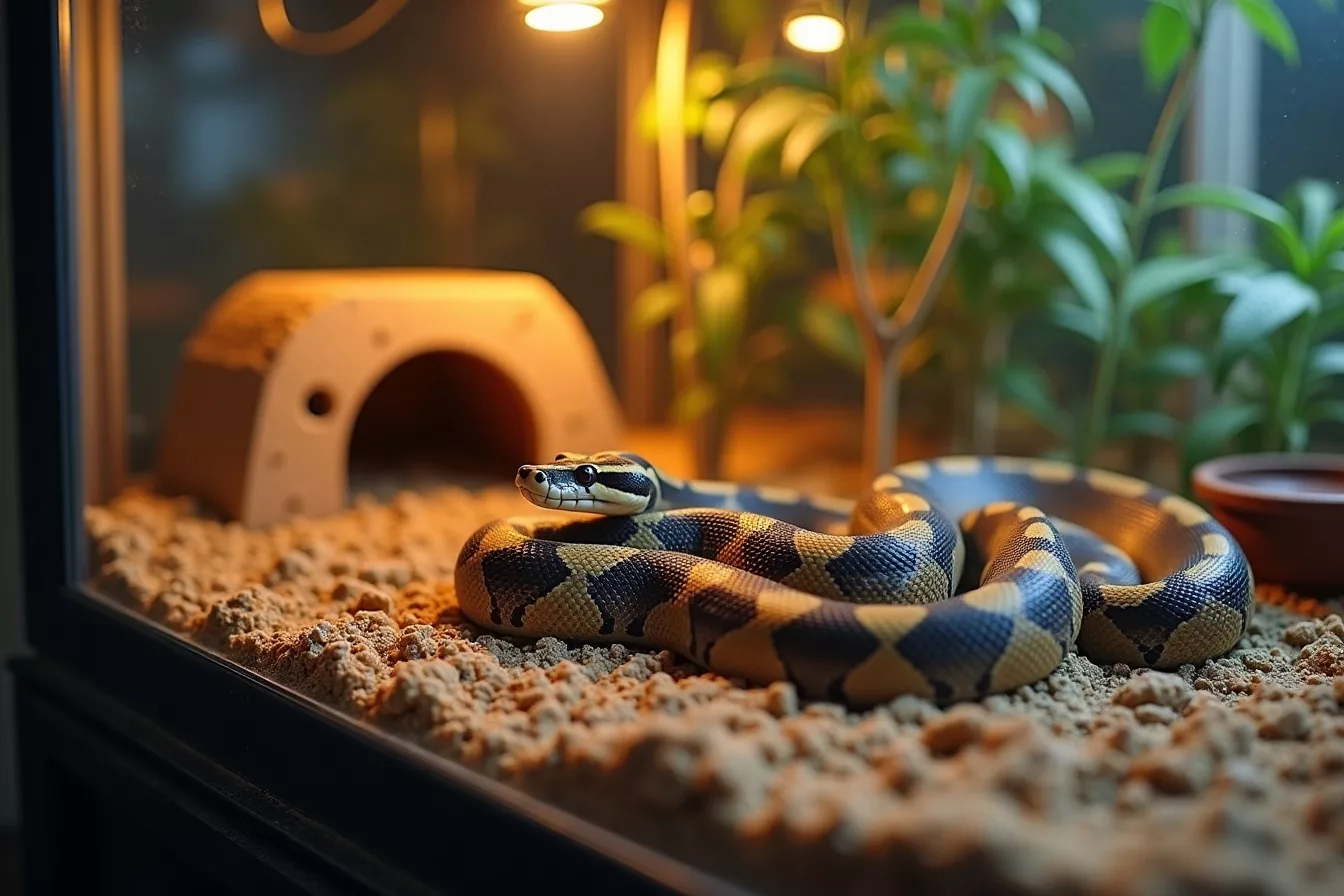

Between 2024 and 2025, UK local authorities have reported a staggering 34% increase in welfare calls related to exotic animals kept as pets. A comprehensive survey by the Association of Local Authority Trading Standards (ALATS) in early 2025 revealed that councils across England, Scotland, Wales, and Northern Ireland are struggling to manage the boom in unusual pet ownership—from ball pythons to meerkats. In this article you’ll discover why exotic pet numbers are soaring, which animals councils are most concerned about, and the critical steps you must take before considering an exotic pet. Most importantly, you’ll learn why vets are now issuing urgent warnings about the welfare crisis unfolding in British homes.
📊 Key Figures 2025
- 34% increase in exotic pet welfare complaints: UK councils reported 2,847 cases in 2024–25, up from 2,124 in 2023–24 (ALATS, 2025)
- Reptiles account for 61% of cases: Ball pythons, bearded dragons, and corn snakes top the list of surrendered animals (RSPCA Exotic Animal Centre, 2025)
- One in four exotic pet owners lack proper housing: A British Veterinary Association (BVA) survey found inadequate enclosures are the primary welfare concern (BVA, January 2025)
Sources: ALATS, RSPCA, BVA, 2025
Why the Exotic Pet Boom?
Social media has turbocharged exotic pet ownership. Instagram and TikTok accounts showcasing colourful bearded dragons and charismatic ball pythons have made these animals seem effortlessly manageable. Young pet owners aged 18–35 now account for 68% of new exotic pet enquiries at UK councils, according to ALATS data.
The problem: most buyers don’t realise that exotic pets require specialist care, bespoke diets, and controlled environments that can cost thousands of pounds to set up properly. A ball python needs a heated enclosure, precise humidity control, and live rodent feeding—not something a casual TikTok viewer anticipates.
What Animals Are Councils Most Concerned About?
The RSPCA’s 2025 Exotic Animal Welfare Report identified ball pythons as the most frequently surrendered reptile in the UK. In December 2024, the RSPCA rehomed Monty, a 6-year-old ball python from Manchester, after his owner realised feeding frozen mice was “emotionally difficult.” Monty is now thriving in a specialist sanctuary.
Meerkats, fennec foxes, and sugar gliders follow reptiles as the second-most problematic group. These animals are social, nocturnal, and destructive—traits incompatible with typical British homes. The PDSA reported in March 2025 that meerkat ownership has tripled since 2020, yet 80% of owners admit their animals show signs of stress or depression.
✅ Expert Tip
Before acquiring any exotic pet, contact your local council’s Trading Standards office and request a 2025 species care sheet. The British Veterinary Association publishes detailed guides on housing, temperature, feeding, and veterinary costs. Spend a minimum of £1,500–£3,000 on proper enclosure setup before buying the animal. This single step prevents 70% of welfare issues identified in the BVA’s recent survey.
⚠️ Warning
If your exotic pet shows signs of inactivity, loss of appetite, or abnormal behaviour, contact an exotic animal veterinarian immediately. Standard vets lack the training to treat reptiles and small mammals. The RSPCA reports that delayed treatment increases welfare crises by 45%. Only 12% of UK vets specialise in exotic animals, making access difficult outside major cities.
The Council Response
Councils are now implementing stricter licensing requirements. In January 2025, Birmingham City Council introduced the first mandatory “Exotic Pet Ownership Assessment”—a 15-minute interview before purchase permits are issued. Other authorities are following suit.
The Local Government Association (LGA) warns that without national regulation, welfare emergencies will continue. Education campaigns launched by the PDSA and RSPCA in spring 2025 emphasise that exotic pet ownership is not a casual hobby—it’s a specialist commitment.
What Can You Do?
If you’re considering an exotic pet, ask yourself three hard questions: Can I afford £3,000+ for proper housing? Do I have access to a specialist exotic vet within 30 minutes? Am I willing to commit 10–20 years to this animal’s care? If you answer “no” to any of these, choose a conventional pet instead.
If you already own an exotic animal, audit your enclosure against the BVA’s 2025 housing standards and book a check-up with a specialist veterinarian. Many councils now offer free welfare consultations—contact yours today.
The exotic pet boom isn’t slowing. But informed, responsible ownership can ensure these remarkable animals thrive in British homes rather than suffer in unsuitable environments.
Have you noticed the surge in exotic pets in your community? What obstacles have you faced in finding proper care? Share your experiences in the comments below.