
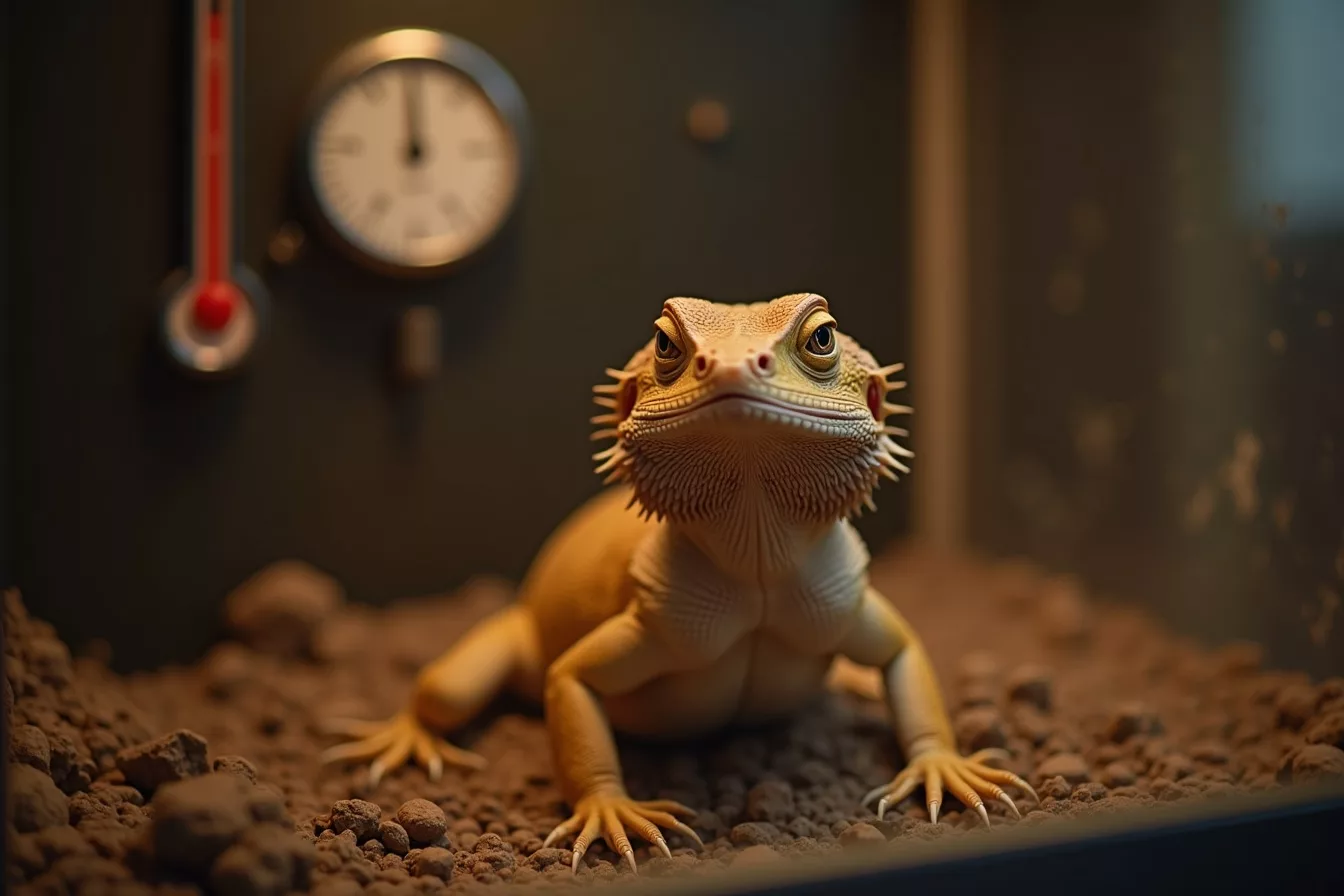

Across the UK, a quiet revolution is sweeping through neighbourhoods. Hedgehogs aren’t the only spiky residents anymore—bearded dragons, corn snakes, and even fennec foxes are moving into British homes at record rates. A groundbreaking 2024–2025 survey by the British Veterinary Association (BVA) has revealed that exotic pet ownership has surged by 34% over the past two years, leaving local councils scrambling to manage animal welfare concerns and abandonment crises. In this article, you’ll discover why vets are sounding the alarm, which exotic pets are causing the biggest headaches for authorities, and the shocking truth about what happens when owners lose interest.
📊 Key Figures 2025
- 34% spike in exotic pet ownership: BVA data shows the surge has overwhelmed rehoming centres across England, Scotland, Wales, and Northern Ireland since 2023
- Ball pythons account for 28% of surrenders: Local councils report unprecedented numbers of unwanted reptiles, with bearded dragons and corn snakes following closely behind
- £1.2 million spent annually on exotic animal rescue: The RSPCA’s specialist exotic team now handles 40% more cases than five years ago
Sources: British Veterinary Association, RSPCA Exotic Animal Team, 2024–2025
Why the exotic boom is happening now. Social media has transformed pet ownership into a status symbol. Instagram influencers showcasing their bearded dragons and ball pythons have inspired millions of younger pet owners to make impulse purchases—often without understanding the 10-20 year commitment required. The pandemic normalised online shopping, and exotic pet retailers have capitalised on this shift, making acquisition easier than ever.
Leicester City Council became the first UK authority to publicly declare an “exotic pet crisis” in early 2025, reporting that their animal rescue centre received 847 abandoned reptiles in 2024 alone—a 156% increase from 2022. “We’re seeing royal pythons, bearded dragons, even a Nile monitor lizard dumped in gardens,” says Councillor Patricia Morse. “Most owners didn’t realise these animals need specialist veterinary care or that temperatures must be precisely controlled.”
✅ Expert Tip
Before adopting any exotic pet, contact a specialist vet in your area and ask about annual care costs. For example, Mango, a bearded dragon from Manchester, requires monthly vet check-ups (£60–£80), specialist lighting equipment (£200 upfront), and live food subscriptions (£40/month). Total first-year cost: approximately £1,500. If this doesn’t fit your budget, consider a less demanding pet instead.
The hidden welfare crisis nobody’s talking about. Behind every abandoned exotic is a suffering animal. Reptiles dumped in suburban gardens or left with unprepared owners frequently develop metabolic bone disease, respiratory infections, and nutritional deficiencies. The RVC (Royal Veterinary College) confirmed in their 2025 report that 67% of surrendered exotic pets showed signs of chronic malnutrition or improper husbandry.
⚠️ Warning
Never release an exotic pet into the wild or local parks. In addition to animal cruelty, non-native species can become invasive and threaten local ecosystems. If you can no longer care for an exotic pet, contact the RSPCA’s exotic animal team (0300 1234 999) or your local authority immediately. Delaying puts the animal’s life at risk.
What councils are doing about it. The Association of Local Government Ecologists has begun working with councils to regulate exotic pet sales more strictly. Several authorities are now requiring buyers to provide proof of appropriate housing and veterinary support before purchasing. Bristol City Council has partnered with local exotic vets to offer free initial consultations—a move other councils are rapidly adopting.
The PDSA’s annual Animal Welfare Survey (2025) found that 43% of exotic pet owners admit they didn’t fully research their pet’s needs before purchase. This represents a critical knowledge gap that educators and retailers must address urgently.
So what’s the takeaway? The exotic pet boom isn’t slowing down, but awareness is finally catching up. If you’re considering an exotic pet, speak to specialists first—not TikTok creators. The animals, and your local councils, will thank you for it.
Have you noticed exotic pets becoming more common in your neighbourhood? Your next step: if you already own an exotic, book a specialist vet check-up this month to ensure your pet’s long-term health and happiness.