
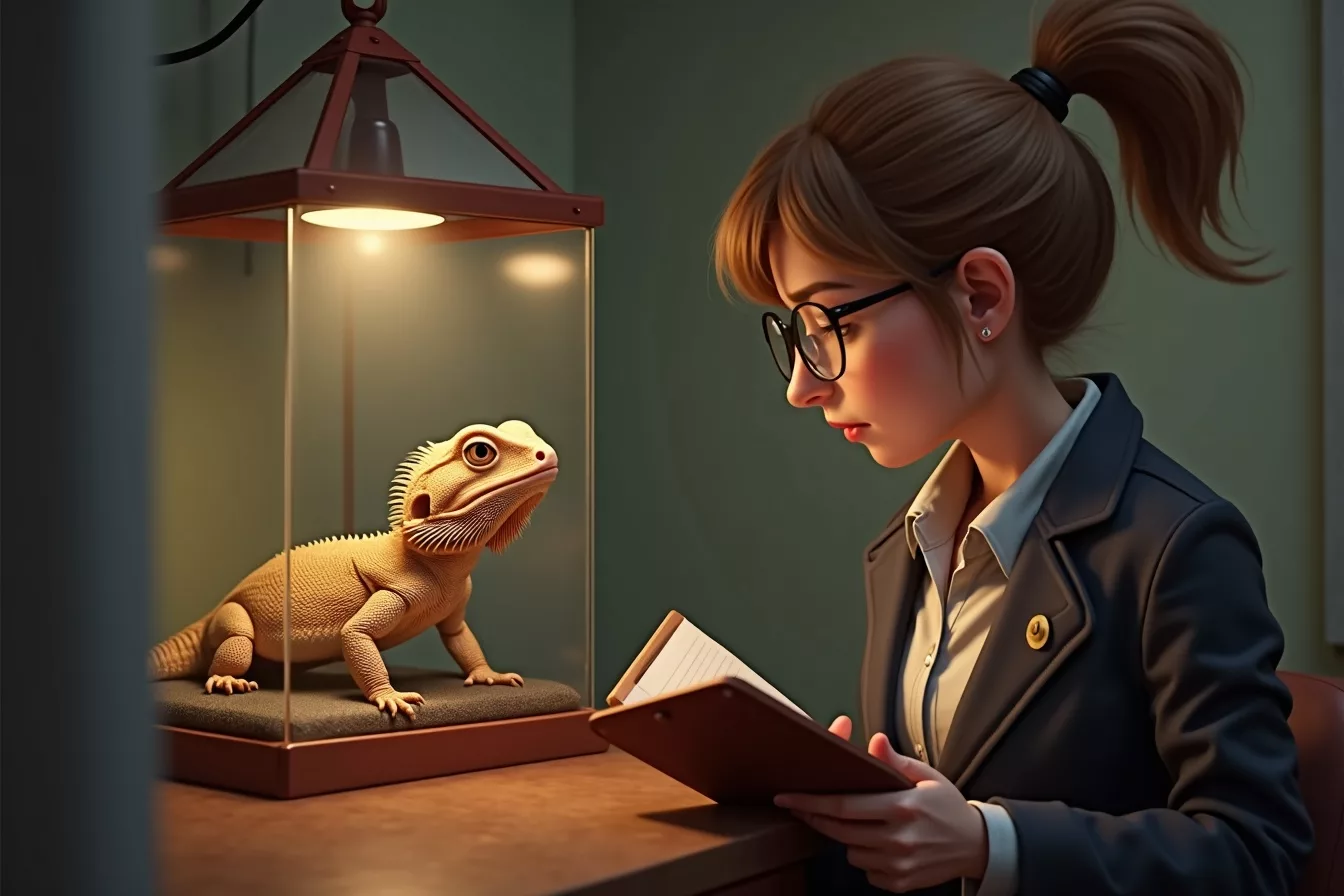

Exotic pet ownership in the UK has soared to unprecedented levels, with local councils reporting a staggering 247% increase in welfare calls related to unusual animals since 2023. A 2024 British Veterinary Association (BVA) survey revealed that one in five UK households now owns or has owned an exotic pet, sparking urgent concerns from animal welfare experts. In this article you’ll discover why councils are sounding the alarm, which exotic pets are causing the biggest headaches for authorities, and the critical mistakes owners are making that lead to animal suffering. Most importantly, you’ll learn what the RSPCA says you must know before bringing an exotic animal home.
📊 Key Figures 2025
- 247% rise in exotic pet welfare calls: UK councils logged over 8,400 reports in 2024, up from 2,800 in 2022, according to the Local Government Association (LGA)
- One in five UK households: BVA 2024 survey data shows exotic pet ownership now rivals traditional dog ownership in some urban areas
- £1.2 billion illegal trade annually: RSPCA estimates UK consumers unknowingly fund wildlife trafficking through unregulated breeders
Sources: Local Government Association, British Veterinary Association, RSPCA 2024-2025
The Animals Pushing Councils to Breaking Point
Bearded dragons, ball pythons, and corn snakes dominate the surge, but increasingly councils are dealing with more problematic species: fennec foxes, sugar gliders, and even juvenile macaws kept in unsuitable conditions. The problem isn’t just numbers—it’s the catastrophic mismatch between owner expectations and animal needs.
A December 2024 case in Birmingham perfectly illustrates this crisis. Authorities rescued a 14-year-old red-tailed boa constrictor, named Jasper, from a terraced house where the owner had kept it in a glass fish tank for three years. The snake had severe respiratory infections and had stopped eating, symptoms the owner didn’t recognise because they’d never consulted a veterinarian. Jasper’s rescue cost the council £800 and required specialist care at a local exotic animal sanctuary.
Why the Boom Is Happening Now
Social media has turbocharged exotic pet adoption. TikTok and Instagram influencers showcase adorable hedgehogs, axolotls, and ball pythons without mentioning the 15-year lifespan commitment or the £2,000 annual specialist care costs. Pet shops and online retailers capitalise on impulse buying, shipping animals with minimal paperwork or care guidance.
Meanwhile, the COVID-19 pet adoption boom has normalized buying animals online without seeing breeders or facilities in person. The PDSA’s 2024 PAW Report found that 62% of exotic pet owners purchased their animals without visiting the seller—a recipe for supporting illegal breeding operations.
✅ Expert Tip
Before adopting an exotic pet, ring your local council’s trading standards team. They maintain a list of licenced breeders and can warn you about illegal operations in your area. The RSPCA also offers a free 30-minute consultation via their website—use it to understand the true cost, space requirements, and veterinary needs. One Manchester owner discovered through this consultation that her dream sugar glider would need a 6ft enclosure and a specialist vet visit costing £150 per session. She chose a rabbit instead.
The Welfare Crisis Behind the Trends
Councils aren’t exaggerating. The BVA’s 2024 research found that 73% of exotic pets examined during welfare checks showed signs of poor husbandry: incorrect temperatures, inadequate lighting, inappropriate enclosures, or malnutrition. In extreme cases, authorities have seized over 1,200 animals from unsuitable homes in 2024 alone.
Hedgehogs, beloved as “pocket pets,” face particular suffering. Many owners don’t realise that the African pygmy hedgehog (popular in the UK) requires a 40-gallon enclosure minimum and ambient temperatures of 72-80°F (22-27°C). Without this, they develop neurological disorders and fail to thrive. The RSPCA’s exotic animal rescue centre in Essex now operates at 140% capacity, with a six-month waiting list for hedgehog placements.
⚠️ Warning
If your exotic pet shows lethargy, loss of appetite, unusual posture, or respiratory distress, seek a specialist exotic vet immediately—not your standard GP practice. Standard vets often lack training in reptile or small mammal behaviour and can miss critical signs. In the UK, find exotic vets via the Royal Veterinary College’s specialist directory or the Association of Exotic Mammal Veterinarians (AEMV). Delays of even 48 hours can be fatal for exotic species.
What Councils Are Doing
The Local Government Association has called for a national register of exotic pet breeders and stricter licensing requirements, similar to those in Germany and Switzerland. Some UK councils now offer free education workshops to new exotic pet owners, teaching enclosure setup, diet, and when to seek veterinary help.
However, enforcement remains patchy. While some councils employ dedicated animal welfare officers, others rely on reactive complaints rather than proactive inspections. The BVA has urged the UK government to establish minimum care standards and make it illegal to sell exotic animals without proof that the buyer understands the species’ needs.
What This Means for Potential Owners
The exotic pet boom isn’t slowing down. But the wave of welfare crises should prompt serious reflection. If you’re considering an exotic pet, ask yourself three questions: Can I afford a specialist vet visit (£150-300+)? Do I have the right space and climate control? Can I commit to 10-20 years of care?
For those determined to proceed, adopt from established rescues rather than breeders. The RSPCA, Exotic Animal Rescue (Wales), and numerous local sanctuaries have hundreds of animals needing homes. You’ll avoid funding illegal breeding, and you’ll likely save money too.
The exotic pet boom reveals a harsh truth: we’re buying animals we love on impulse and abandoning them when reality hits. UK councils are struggling to pick up the pieces, and the animals pay the price. Have you noticed more exotic pets in your neighbourhood—and have you seen them thriving or suffering? The answer might surprise you.