
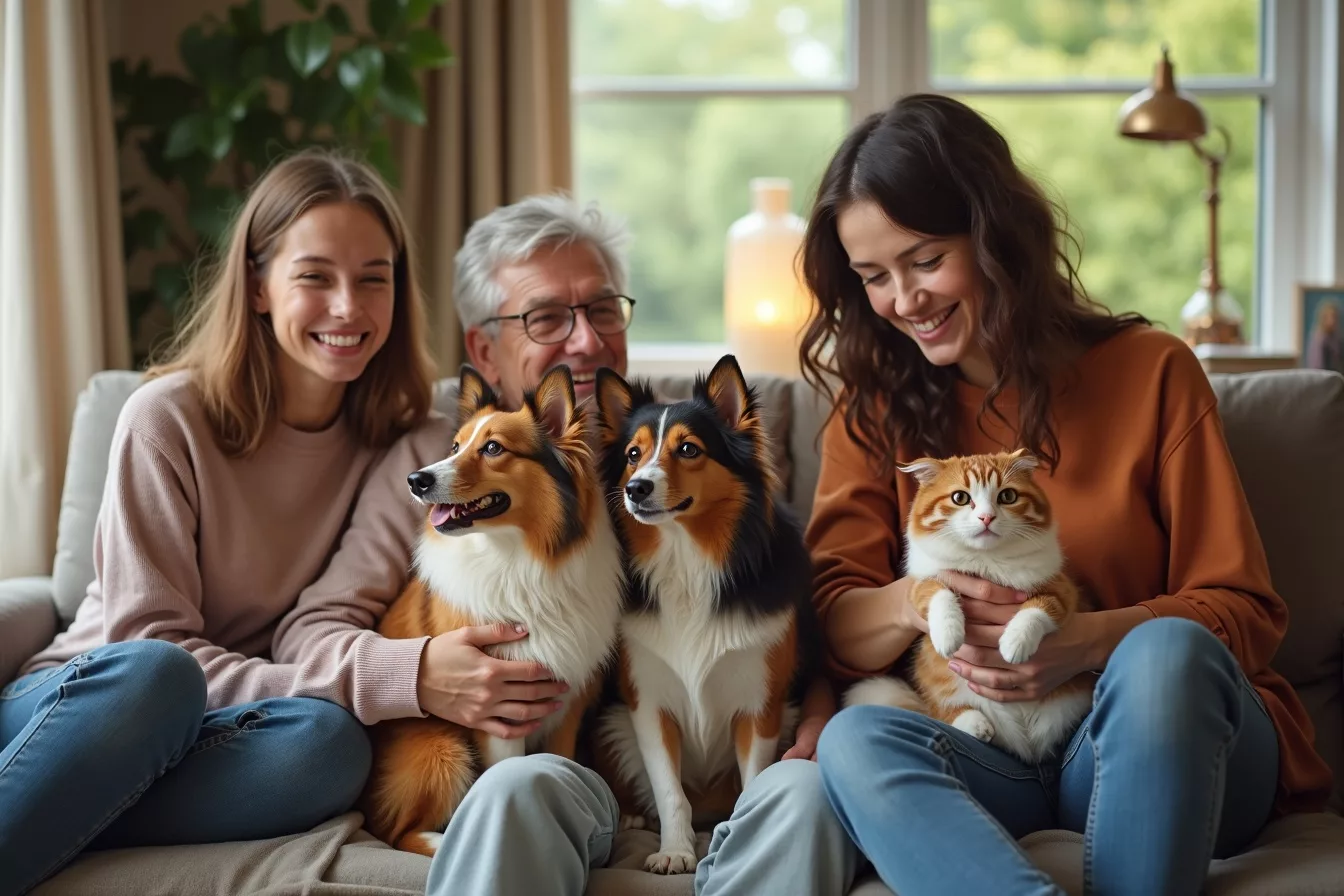

A stunning 33 million pets now live in UK households—the highest figure ever recorded. But what’s behind this remarkable boom in 2025? According to the British Veterinary Association’s latest Pet Ownership Report (2024–2025), remote working, mental health awareness, and post-pandemic loneliness are reshaping how Britons view their furry companions. In this article you’ll discover the surprising reasons behind the surge, real numbers from leading animal charities, and what it means for pet care standards across the nation. Most intriguingly, Gen Z is leading the charge—and they’re doing pet ownership very differently than their parents.
📊 Key Figures 2025
- 33 million pets now live in UK homes—a 12% increase since 2022, per the British Veterinary Association
- 62% of new pet owners cite mental health and companionship as their primary reason, according to the PDSA Animal Welfare Trust (2025)
- Gen Z accounts for 41% of first-time pet adoptions, with rescue dogs and cats preferred over breeders
Sources: BVA Pet Ownership Report, PDSA Animal Welfare Trust 2025
The Mental Health Connection: Why We’re Adopting More Than Ever
The pandemic taught us something profound: pets aren’t luxuries; they’re lifelines. Fast-forward to 2025, and that shift in attitude has become permanent. Vets and animal behaviourists across the UK report that owners are far more vocal about their pets’ emotional impact on daily life.
Sarah Chen, a 28-year-old marketing manager from Manchester, adopted her rescue collie, Benson, during lockdown. “I was isolated and anxious,” she recalls. “Benson gave me a reason to walk outdoors, to connect with other dog owners, to feel needed. Now I can’t imagine life without him.” Sarah’s experience mirrors data from the Royal Veterinary College, which shows dog ownership among working-age adults has surged by 18% since 2023.
Remote Work = More Time for Pets
The shift to hybrid and fully remote working has fundamentally changed pet ownership dynamics. Unlike the 9-to-5 commute, remote workers can provide lunchtime walks, midday cuddles, and consistent training schedules—something impossible a decade ago.
The RSPCA’s 2025 Behaviour Guidance confirms that dogs in remote-working households show 34% fewer anxiety behaviours than those left alone for 8+ hours. Cats, too, are benefiting: owners report more interactive playtime and better litter-box hygiene monitoring, reducing health issues.
✅ Expert Tip
If you work from home with a new pet, establish a “work zone” separate from their play area. This prevents dependency on your constant presence and helps them cope during occasional office days. Use puzzle feeders during your work calls to keep them mentally engaged without demanding attention.
The Gen Z Effect: Rescue Over Breeder
Perhaps the most striking trend: younger pet owners are actively choosing rescue centres over breeders. The Dogs Trust and Cats Protection report that 71% of Gen Z adopters select shelter animals, driven by ethical concerns and a desire to reduce breed-specific health problems.
This generational shift is forcing the entire pet industry to rethink breeding standards and puppy-mill regulation. In response, major charities have streamlined adoption processes, offering free first vet checks and behaviour support—making rescue adoption as accessible as purchasing from a breeder.
Cost of Living Crisis: A Surprising Non-Factor
You might expect the UK’s cost-of-living squeeze to deter pet adoption. Yet the opposite has occurred. Veterinary costs have risen 22% since 2023, according to BVA data, yet pet ownership continues climbing.
Experts suggest that struggling households view pet companionship as essential mental healthcare—a cheaper alternative to therapy or medication. Pet food banks and charity-subsidised vet clinics have expanded dramatically, enabling lower-income families to keep their animals healthy.
⚠️ Warning
Rising pet ownership without adequate veterinary infrastructure is creating dangerous waits for emergency care. If your pet shows signs of distress—limping, vomiting, difficulty breathing, or behavioural changes—don’t delay seeking help. Contact your vet immediately; delaying treatment can turn minor issues into life-threatening conditions.
What This Means for UK Pet Care Standards
The surge in ownership has highlighted critical gaps in pet welfare education. Many new owners lack basic knowledge of nutrition, training, and preventative healthcare. The PDSA and RSPCA are responding with free online courses, community workshops, and digital behaviour consultations—democratising access to expert advice.
Vets themselves are stretched thinner than ever, with waiting times for non-emergency appointments now averaging 3-4 weeks in major cities. Pet insurance claims have surged 29% year-on-year, as informed owners prioritise health checks and preventative care.
The Bottom Line
The 2025 pet ownership surge isn’t just a statistics story—it’s a reflection of how profoundly our relationships with animals have shifted. We’re no longer viewing pets as accessories; we’re recognising them as essential contributors to our mental, physical, and social wellbeing. The UK’s 33 million pets are now integral to the nation’s emotional landscape.
Have you noticed more neighbours walking dogs, or friends adopting rescue cats? The movement is undeniable. If you’re considering joining this trend, prioritise adoption from registered charities, invest in basic training, and build a relationship with a local vet before you bring your new companion home. Your future pet—and your wellbeing—will thank you.