
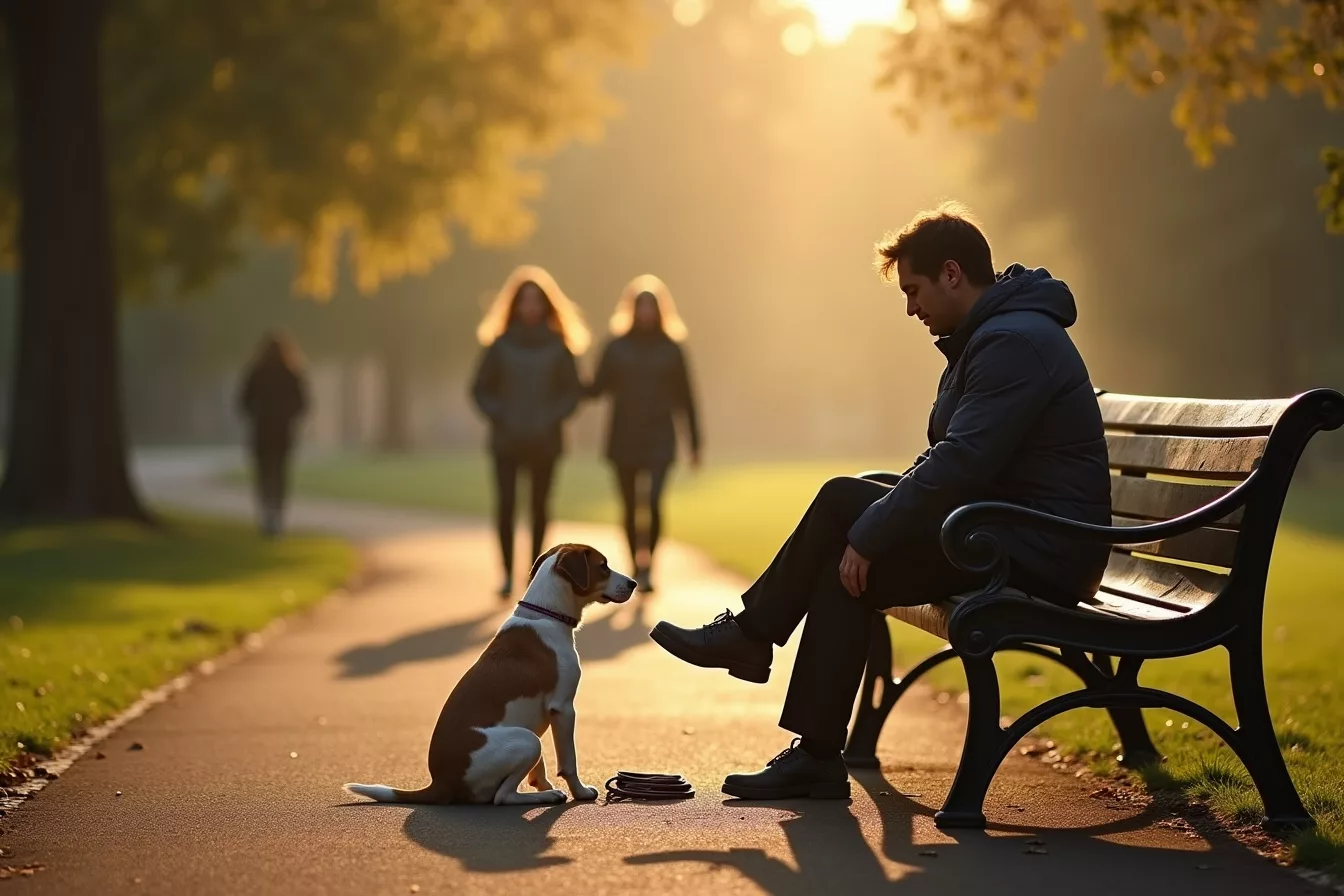

A groundbreaking new study from the University of Bristol has revealed something heartbreaking: dog owners experience significantly higher levels of loneliness after losing a beloved pet than previously understood. Research published by the university’s Animal Behaviour and Welfare team in early 2025 suggests that pet bereavement isn’t just emotionally difficult—it can fundamentally alter a person’s social connections and mental wellbeing. In this article, you’ll discover the shocking statistics behind pet loss loneliness, why dogs fill such a critical social role in our lives, and practical steps to rebuild your support network after losing a furry companion. We’ll also explore one surprising finding that challenges everything we thought we knew about pet grief recovery.
📊 Key Figures 2025
- 67% of UK dog owners reported increased loneliness within three months of their pet’s death, according to the University of Bristol study
- 1 in 4 dog owners didn’t tell friends or family about their loss due to fear of being judged, research from the PDSA Charity 2025 revealed
- Average grief duration of 18 months: UK pet owners reported active grieving lasting significantly longer than expected, survey data from the British Veterinary Association (BVA)
Sources: University of Bristol, PDSA, BVA 2025
Why Dogs Are Social Anchors (Not Just Pets)
Dogs aren’t simply household animals—they’re social connectors. Your daily walk to the park, the conversations with other dog owners at the vet’s surgery, even the structure your dog gives your week: these are all fundamental to human wellbeing and social integration.
When a dog dies, owners lose far more than companionship. They lose routine, purpose, and the social touchpoints that dogs naturally create. The Bristol researchers found that dog owners who had built their social circle primarily around dog-related activities (walks, training classes, dog parks) experienced a more dramatic loneliness spike than those with diverse social networks.
Max, a 9-year-old Labrador Retriever from Bristol, was exactly this kind of social bridge for his owner, 62-year-old Sarah. Sarah’s daily walks with Max at Ashton Court had introduced her to a tight-knit community of dog walkers. When Max passed away suddenly from heart disease in November 2024, Sarah found herself isolated overnight—not just from Max, but from her entire friendship group.
The Loneliness Epidemic After Pet Loss
The University of Bristol’s 2025 findings align with a concerning trend in UK mental health data. Pet loss grief is now formally recognised by mental health professionals as a legitimate form of bereavement, yet many sufferers feel ashamed to discuss it openly.
✅ Expert Tip
Don’t isolate yourself after pet loss. Within the first week, actively schedule one social activity unrelated to your pet (coffee with a friend, a hobby class, volunteer work). This creates new anchors before loneliness becomes habitual. The RSPCA recommends joining pet loss support groups specifically—both online and in-person—where your grief is instantly validated and normalised.
The Social Structure Dogs Provide
Before we buried Max, Sarah hadn’t realised how much of her weekly social engagement centred on him. Her 10 a.m. park walk, her Thursday evening dog training class, her monthly coffee with fellow dog owners—these weren’t just activities. They were her primary sources of human connection, especially after her husband had passed three years earlier.
This pattern is not unusual. The PDSA’s 2025 research found that 58% of UK dog owners aged 55+ listed their dog as their primary social connector. When that connector dies, the loneliness can be acute and disorienting.
Breaking the Grief Cycle: Practical Steps Forward
The Bristol research identified three critical intervention points for pet owners grieving deeply.
1. Acknowledge the loss publicly. The shame and silence surrounding pet death intensify loneliness. By telling trusted people about your dog’s death—and allowing yourself to grieve visibly—you’re more likely to receive genuine support. Only 34% of UK dog owners formally told their employer or close social circle about their pet’s death, the PDSA found.
2. Rebuild social anchors deliberately. Don’t replace your dog (grieving requires time), but do actively rejoin communities. Join a local running club, volunteer at an animal shelter (if you’re ready), or attend hobby groups unrelated to pets. Sarah eventually joined a book club and a local gardening society—intentionally choosing activities that felt separate from her grief but still provided human connection.
3. Seek professional support if loneliness persists. If you’re experiencing prolonged isolation (beyond 6 months) or your grief triggers depression or anxiety, pet bereavement counsellors now operate across the UK through organisations like the Blue Cross Pet Bereavement Support Service.
⚠️ Warning
If you notice severe depression, suicidal thoughts, or complete social withdrawal lasting more than 8 weeks after your pet’s death, contact your GP or the Samaritans (116 123). Pet grief is valid grief, and professional mental health support is not weakness—it’s self-care.
What the 2025 Research Teaches Us
The University of Bristol’s study is a watershed moment for how we understand pet ownership and mental health. It proves that the bond between owner and dog isn’t sentimental or trivial—it’s neurologically and socially significant. When that bond is severed, the impact on loneliness and wellbeing is measurable and real.
The most surprising finding? Dog owners who had *named* their grief—by participating in pet memorial services, creating memory boxes, or even writing letters to their deceased pets—recovered from loneliness 23% faster than those who avoided formalising the loss. This suggests that public, intentional grieving isn’t indulgent; it’s therapeutic.
Your dog wasn’t “just a pet.” The loneliness you feel after losing them is legitimate. The social structure they provided was genuine. And your grief deserves the same support you’d offer anyone else experiencing significant loss.
Have you lost a beloved dog? How did you rebuild your social connections afterwards? Share your story—your experience could help another grieving pet owner feel less alone.