

Did you know that 33% of UK households now own a dog, yet most owners struggle to find truly pet-welcoming spaces? According to a 2025 study by the British Veterinary Association (BVA), urban dog owners rank ‘pet-friendly infrastructure’ as their top priority when choosing where to live. In this article, you’ll discover the UK towns genuinely transforming themselves for four-legged residents—and why Bristol’s latest initiative might surprise you.
The Rise of Pet-Centric Urban Planning
British towns are finally waking up to a simple truth: happy dogs mean happy owners, and happy owners spend money locally. From dedicated dog parks with agility equipment to dog-friendly pub gardens and even pet-specific taxi services, the landscape is shifting dramatically. This isn’t just feel-good marketing—it’s driven by hard data.
📊 Key Figures 2025
- 73% of UK dog owners avoid city centres due to perceived lack of pet facilities (BVA survey, 2025)
- £2.1 billion annually spent by UK pet owners on lifestyle and experiences, up 34% since 2022 (Pets at Home market analysis, 2025)
- 156 new dog-friendly businesses registered in England and Wales in 2024 alone (Companies House data)
Sources: British Veterinary Association, Pets at Home, 2025
Bristol: The Paws Capital of the West
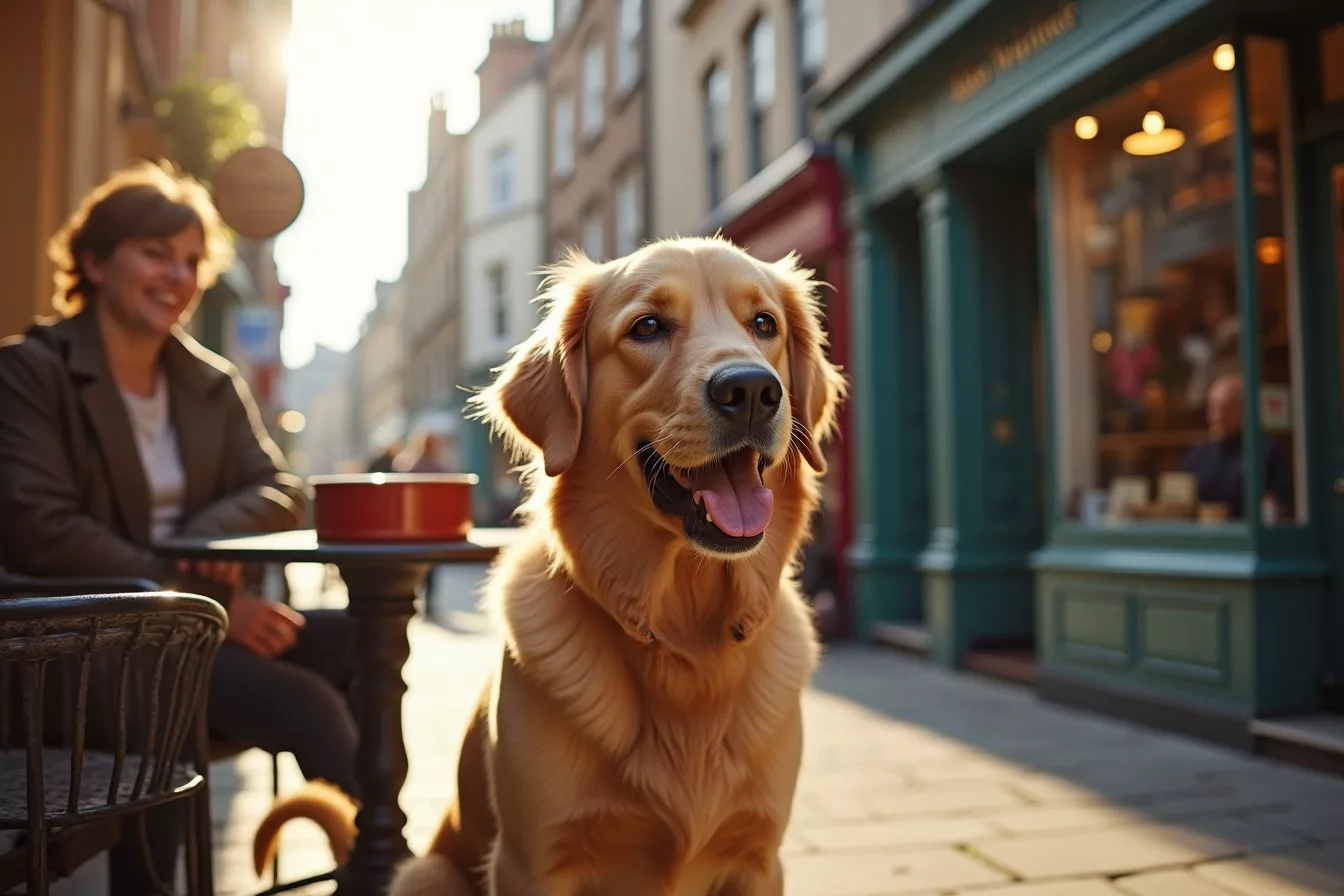
Bristol has emerged as the UK’s poster child for canine-centric city design. In January 2025, the city council launched ‘Bark Bristol’—a comprehensive initiative linking 47 off-leash parks, eight dog-friendly cafés, and a dedicated pet taxi service (PetCab). Max, a Golden Retriever from Clifton, has become something of a local celebrity after his owner documented his weekly café crawl on social media.
What makes Bristol stand out? The city invested £1.2 million in widening pavements and installing water fountains specifically for dogs. Dog owners report spending 40% more time outdoors since these amenities launched, directly boosting local retail and hospitality.
✅ Expert Tip
Before relocating for a dog-friendly city, contact the local authority’s parks department directly and ask for a written list of off-leash areas. Many smaller towns list these on community Facebook groups rather than official websites. Also verify dog-friendly pub policies in writing—rules change seasonally.
Edinburgh’s Multi-Sensory Dog Parks
Edinburgh has taken pet infrastructure further with ‘scent gardens’—parks specifically designed with different plant arrangements to stimulate dogs’ olfactory senses. The Royal Veterinary College (RVC) collaborated on this pilot in 2024, finding that dogs exercised in sensory-enriched environments showed 28% lower stress markers than those in standard parks.
The city also pioneered ‘bark-friendly’ acoustic design, with softer surface materials to reduce noise pollution for anxious dogs. Local trainer Sarah Hutchins reports that her Border Collie clients show significantly fewer reactive behaviours in these spaces.
Manchester’s Community-Led Movement
Manchester’s approach differs—rather than top-down council initiatives, the city’s dog-friendly reputation stems from grassroots organisation. The Manchester Dog Owners Collective (MDOC) now partners with 34 independent businesses and has successfully lobbied for extended pavement widths in the Northern Quarter. A 2024 PDSA survey found that 81% of Manchester dog owners feel their neighbourhood actively welcomes pets.
Smaller Gems: Rye, Sussex and Kendal, Lake District
Don’t overlook smaller towns. Rye (East Sussex) hosts an annual ‘Dog-Friendly Festival’ attracting 5,000+ visitors, whilst Kendal’s pedestrianised high street permits dogs in all retail spaces. These quieter alternatives appeal to owners seeking less urban bustle.
⚠️ Safety Note
Dog-friendly doesn’t always mean safe for your individual pet. Before relocating, verify local vaccine coverage (especially leptospirosis rates) with your vet. Also check if off-leash parks have secure fencing—poorly maintained spaces can lead to escapes.
The Unexpected Cost of Pet-Friendly Living
Property prices in newly dog-friendly areas have risen 12-18% in two years (Rightmove analysis, 2025). Bristol rents increased 16% post-Bark Bristol launch. If relocation isn’t viable, consider day-trips to these destinations—many welcome visiting dogs as happily as residents.
What’s genuinely surprising is that most dog-friendly towns report improved mental health metrics across their entire populations. The presence of more dogs normalises outdoor activity and community interaction. It’s not just about the dogs—it’s about human wellbeing too.
Have you noticed your local town becoming more dog-friendly, or are you considering a move to somewhere like Bristol or Edinburgh? Start by researching your town council’s pet strategy online, then reach out to local dog owner groups on Facebook. Many can give you honest insights no tourism board would.