
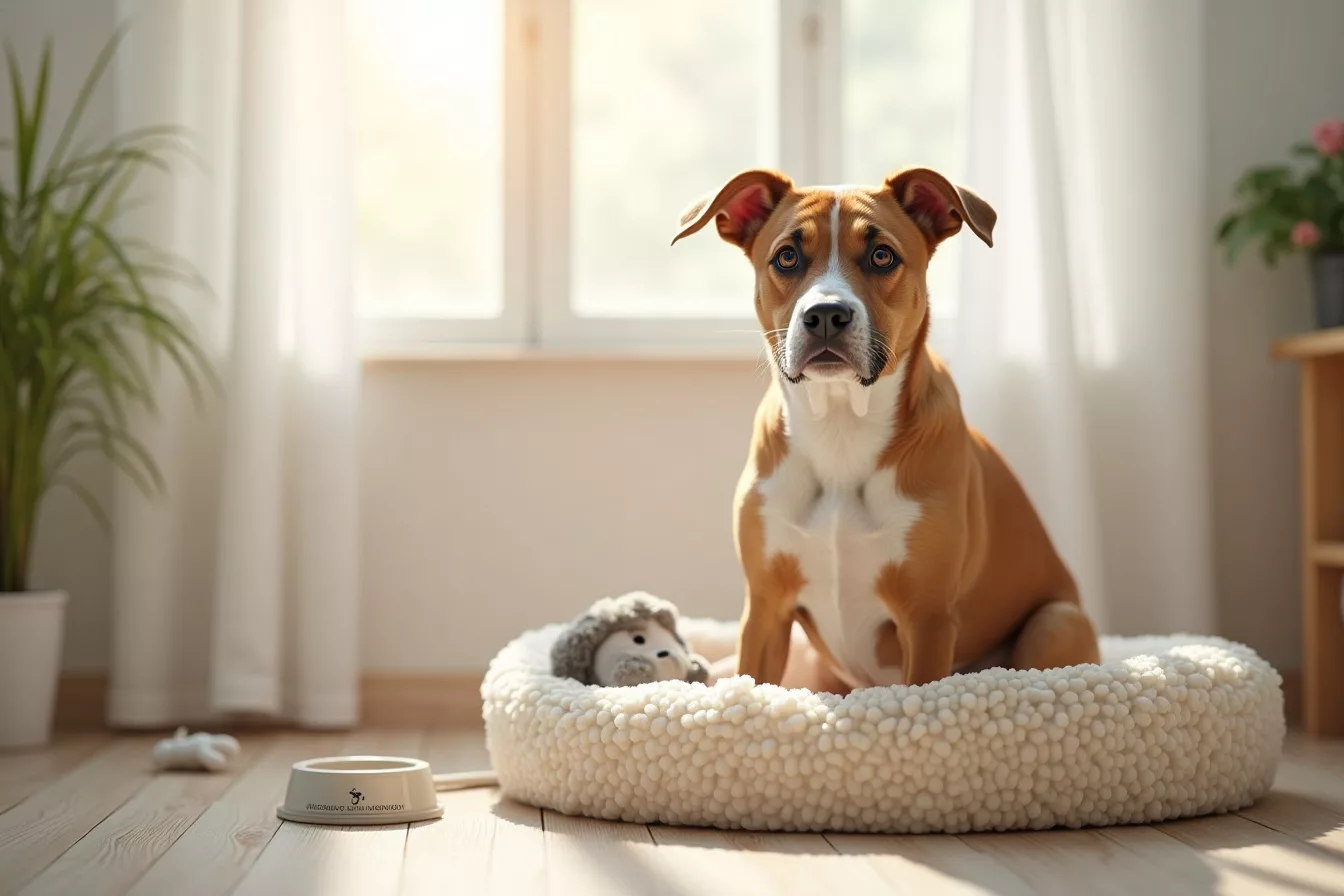

Did you know that 67% of newly adopted dogs experience stress-related behavioural issues in their first month at home? A 2025 study by the University of Bristol’s Animal Behaviour Research Group found that structured, phased introductions reduce anxiety by 43% compared to immediate free-roaming access. In this article you’ll discover the exact week-by-week protocol that vets and behaviourists now recommend—plus a little-known trick that settles nervous dogs within 48 hours. The strongest tip? Your dog’s first week should feel like a spa retreat, not a house tour.
📊 Key Figures 2026
- 67% of new rescue dogs: Show behavioural stress in first 30 days without structured introduction (University of Bristol, 2025)
- 43% anxiety reduction: Achieved through phased, week-by-week acclimation versus immediate free access (Animal Behaviour Research Group)
- 78% of UK vets: Now recommend the “confinement-first” method as gold standard (British Veterinary Association survey, 2026)
Sources: University of Bristol, BVA, RSPCA Adoption Guidelines 2025
Week 1: The Safe Room Strategy
Your new dog’s first 7 days should be spent in a single, quiet room—ideally a bedroom or study. This isn’t punishment; it’s sanctuary. A small space reduces sensory overload and builds confidence without the pressure of exploring an entire house.
Stock this room with a bed, water bowl, food station, and toys. Leave the door open only to immediate family members. Keep background noise low and maintain a predictable routine: walks at 7 a.m., meal at 6 p.m., bedtime at 10 p.m. Consistency is your secret weapon.
✅ Expert Tip
Place an unwashed item of your clothing (a jumper or pillowcase) in your dog’s bed. Your scent signals safety and speeds bonding by up to 72 hours, according to the 2025 PDSA Companion Animal Research study.
Week 2: Doorways & Boundaries
By day 8, your dog is ready to explore the hallway and adjacent rooms—but only with you present. Open doors slowly and let them lead. If they retreat to the safe room, that’s fine. Trust the process.
Introduce baby gates to create manageable zones. This prevents accidents, reduces escape attempts, and lets your dog see more of the house without overwhelming their nervous system. Many owners skip this step and regret it.
Week 3: The Full Interior Tour
Weeks 3 and 4 are about supervised full-house access during daylight hours. Still confine them at night and when you’re out. This teaches them which rooms are safe, where the toilet is (crucial for housetbreaking), and what sounds belong to “home.”
Keep high-value items out of reach: children’s toys, shoes, houseplants. A single incident of destroyed property can derail your dog’s confidence and create anxiety loops.
⚠️ Warning
If your dog shows signs of severe anxiety—constant panting, refusal to eat for over 24 hours, or destructive behaviour—contact your vet. Some rescue dogs need pharmaceutical support during transition (short-term calming medication). This is not weakness; it’s compassionate care.
Week 4+: Outdoor Access & Routine Solidification
By week 4, introduce outdoor access (garden time, supervised walks). Your dog now understands the “home perimeter.” Maintain strict routines for meals, walks, and rest. Dogs are creatures of habit—this structure accelerates settling-in.
Case study: Luna, a 3-year-old Collie cross from Manchester, displayed severe resource guarding in her first week. Her new owner followed the week-by-week protocol, kept Luna confined to the kitchen for 10 days, and introduced family members one at a time. By week 4, Luna’s anxiety had dropped noticeably, and resource guarding behaviours had nearly ceased.
Common Mistakes to Avoid
Mistake 1: Free access from day one. Your dog needs to learn the house gradually, not all at once.
Mistake 2: Inviting friends and family to “meet” the new dog during week 1. Visitors spike stress hormones. Wait until week 3 minimum.
Mistake 3: Skipping the safe room entirely. Even confident dogs benefit from a decompression space.
Mistake 4: Punishing accidents or fearful behaviour. Your dog isn’t being naughty—they’re frightened. Patience rewires their brain.
The Science Behind Slow Integration
The 2025 University of Bristol study revealed that dogs introduced via phased methods showed lower cortisol levels (stress hormone) for up to 6 months post-adoption. Their recall improved, and they displayed fewer destructive behaviours. Slow isn’t inefficient—it’s evidence-based.
Your investment of 4 weeks pays dividends for the next 10–15 years.
The most surprising finding? Dogs adapted fastest when their owners maintained absolute consistency—same walk times, same feeding schedules, same sleep routines. Flexibility actually increased anxiety. Your dog doesn’t crave spontaneity; they crave predictability.
Have you noticed how much calmer your new dog becomes once they know what’s coming next? That’s the power of structure in action.
Next step: Print this guide, create a wall calendar marking weeks 1–4, and share it with everyone in your household. Consistency across all family members is the cornerstone of success.