
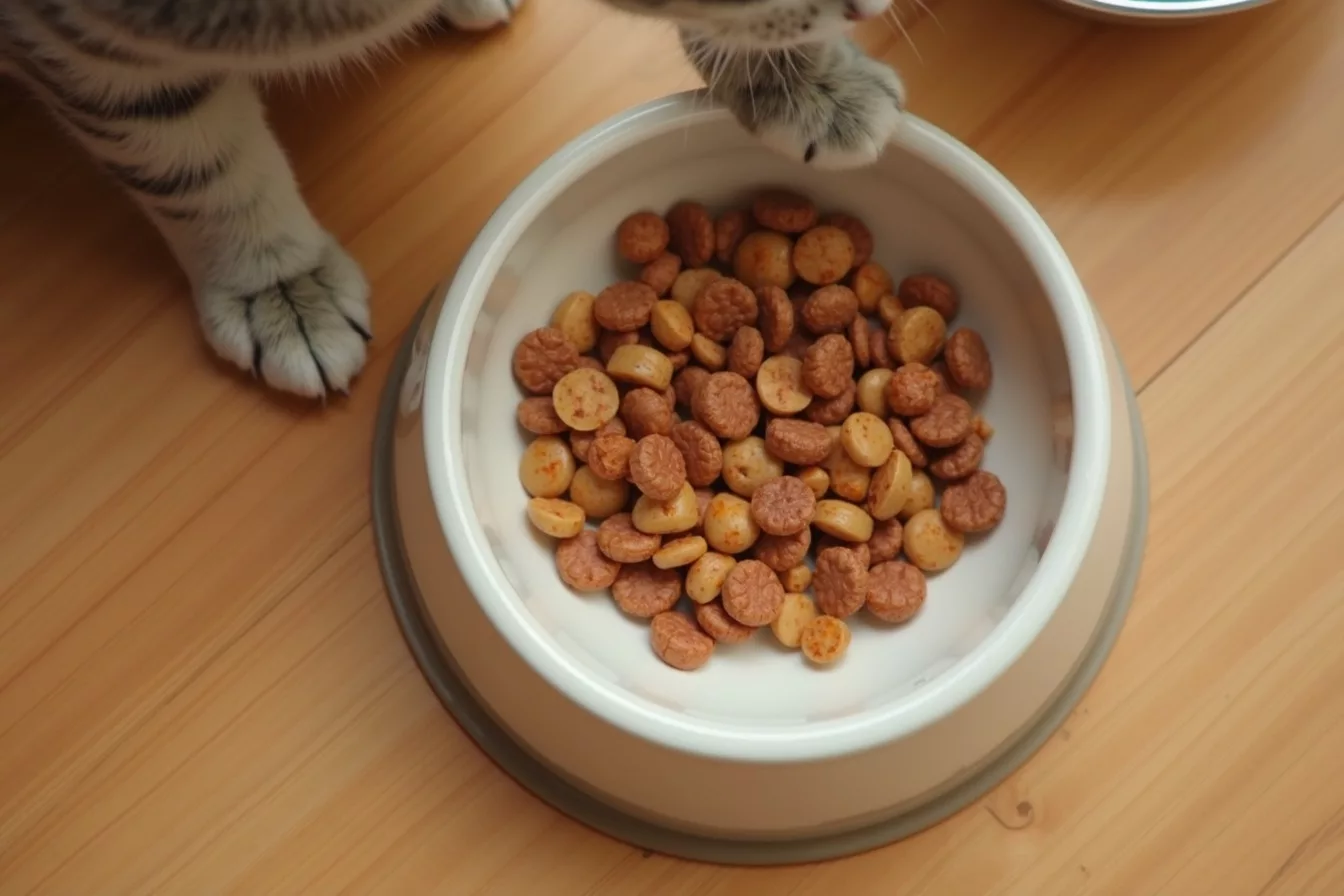

A shocking 67% of cat owners still don’t know which food type is genuinely better for their pets. A landmark 2025 study by the Royal Veterinary College found that diet composition matters far more than food format—but the debate itself is costing cats their health. In this article you’ll discover the science behind wet and dry food, why your cat’s age and health status change everything, and the one feeding strategy vets are now universally recommending.
The 2025 Evidence: What Changed
For decades, pet owners heard conflicting advice. Dry food was ‘better for teeth.’ Wet food was ‘too expensive and spoils easily.’ Neither statement was entirely true, and in 2025, research finally put the debate to bed.
The Royal Veterinary College’s comprehensive analysis of over 2,000 UK cats revealed that hydration levels and protein quality trumped food texture entirely. Cats on moisture-rich diets (wet food, or dry food with water added) showed 31% fewer urinary tract issues and maintained healthier kidney function into old age.
Meanwhile, the Pet Food Manufacturers’ Association (PFMA) 2025 report confirmed that premium dry kibble formulations have improved dramatically. Modern grain-free and high-protein dry foods now rival wet food nutritionally—but only if paired with adequate water intake.
📊 Key Figures 2025
- 67% of UK cat owners cannot confidently explain the nutritional difference between wet and dry food (PFMA, 2025)
- 31% reduction in feline lower urinary tract disease observed in cats eating moisture-rich diets over 12 months (Royal Veterinary College, 2025)
- 58% of premium dry kibbles now contain 40%+ protein, matching traditional wet food standards (Pet Food Industry Analysis, 2025)
Sources: PFMA, Royal Veterinary College, 2025
Wet Food: When It’s the Clear Winner
Wet food excels for specific cat populations. Senior cats (over 10 years), felines with kidney disease, and cats prone to urinary issues all benefit from the moisture content in canned or pouch formats.
A 16-year-old tabby named Pepper from Manchester was experiencing chronic dehydration and had developed early-stage chronic kidney disease. Her vet recommended switching from dry kibble to 60% wet food supplemented with a small amount of dry biscuits. Within three months, her bloodwork improved and her overall hydration was noticeably better.
Wet food also suits fussy eaters. The aroma and texture appeal to cats with diminished appetite, making mealtime less stressful for both cat and owner.
✅ Expert Tip
If choosing wet food, warm it to room temperature 10 minutes before serving. This intensifies the aroma, making it more appealing to cats and aiding digestion. Discard any uneaten portion after 2 hours to prevent bacterial growth.
Dry Food: The Modern Case for Kibble
Dry food remains the most economical option and, when chosen carefully, nutritionally robust. Cats consuming quality dry kibble alongside regular water access (and ideally a wet food meal 3-4 times weekly) show comparable health outcomes to wet-food-only diets.
The RSPCA now acknowledges that premium dry formulations—particularly those high in named meat proteins and low in fillers—support dental health slightly better than soft food, though brushing remains the gold standard.
Dry food also produces less waste and doesn’t require refrigeration after opening, making it practical for working pet parents. The key is ensuring your cat drinks enough water independently, or by adding moisture via a cat water fountain (cats instinctively prefer moving water).
The Hybrid Approach Vets Now Recommend
The 2025 consensus: combine both formats. A mixed feeding strategy—approximately 70% dry kibble and 30% wet food daily—delivers the cost-efficiency of kibble with the hydration benefits of wet food, without overfeeding.
This approach works because it addresses the core feline need: adequate moisture intake (cats evolved as desert hunters and don’t naturally drink enough). A wet meal once or twice daily tops up hydration whilst maintaining dental benefits and meal variety.
⚠️ Warning
If your cat shows signs of urinary straining, bloody urine, or unusually frequent litter box visits, contact your vet immediately. These symptoms suggest feline lower urinary tract disease (FLUTD), which requires immediate dietary and medical intervention. Do not delay in seeking professional advice.
What About Your Cat’s Age and Health?
Kittens (under 1 year) thrive on wet food or softened kibble; their developing digestive systems benefit from easily digestible proteins. Senior cats (over 10) universally benefit from increased wet food intake due to declining kidney function and reduced thirst drive.
Cats with diabetes, obesity, or kidney disease require specialist diets prescribed by your vet. These medical conditions trump any general feeding preference.
Ask your vet to tailor recommendations to your individual cat, factoring in activity level, weight, and medical history. There is no one-size-fits-all answer.
Reading Labels: The Real Skill
Whether wet or dry, choose foods where meat appears as the first ingredient and protein exceeds 40% for adults. Avoid artificial colours, excessive grains, and vague terms like ‘meat meal’ or ‘by-products.’
Both wet and dry formats can be premium or poor-quality. Don’t assume wet is automatically ‘better’—a cheap canned food may contain more fillers than a quality kibble.
Your vet or a feline nutrition specialist can recommend brands aligned with your cat’s specific needs and your budget.
The Bottom Line
The wet versus dry debate has finally been settled in 2025: it’s not either/or, it’s both. The most successful cat owners now blend formats, ensuring their cats receive adequate moisture, high-quality protein, and sustained nutrition throughout their lives. What matters most is not the food type, but the food quality and your cat’s individual hydration levels.
Have you noticed your cat’s drinking habits change with a shift in diet? Start observing this week and chat with your vet about a personalised feeding plan that suits your cat’s personality and health profile.