
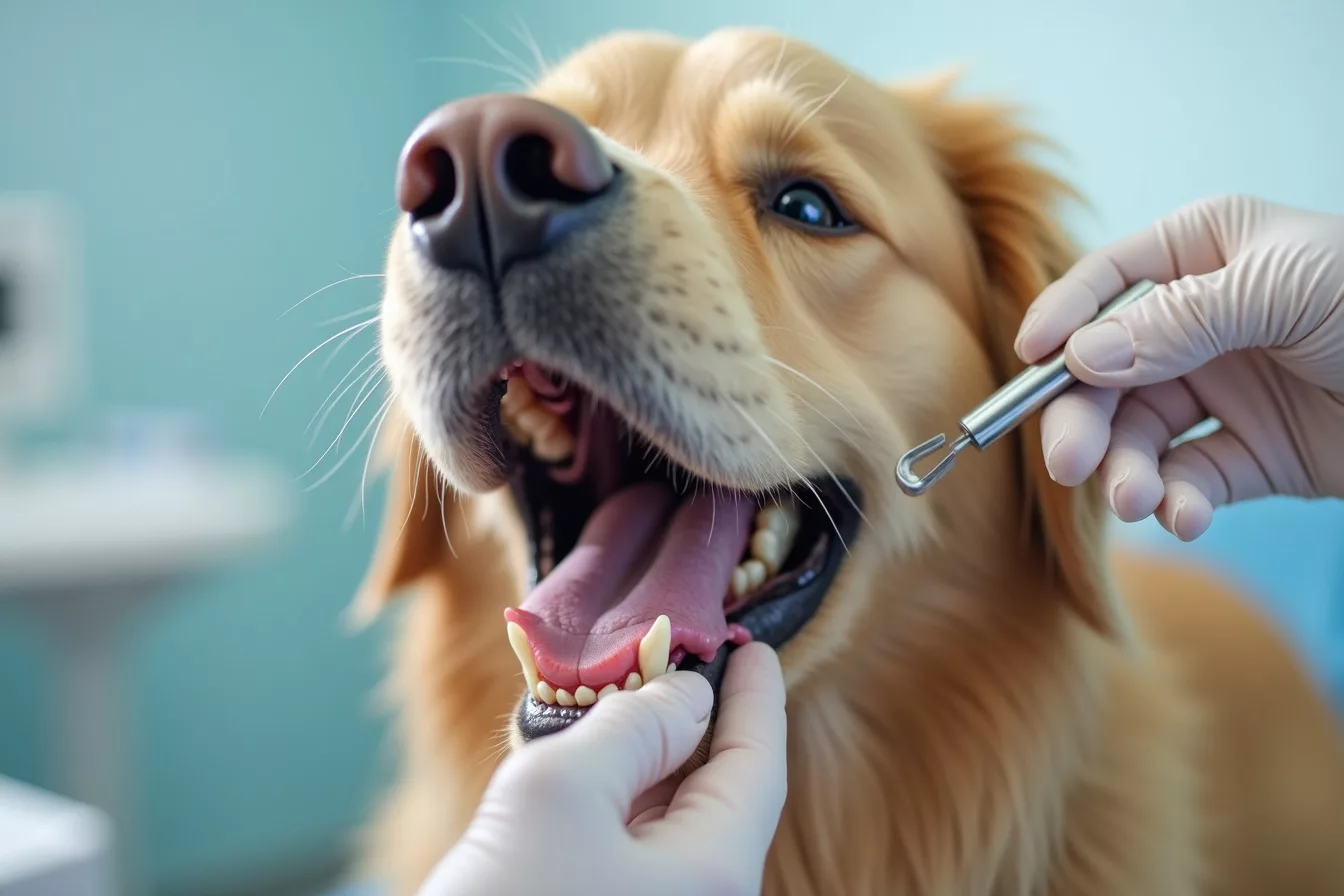

Did you know that 80% of dogs over the age of three have some form of dental disease? Yet most owners have no idea their pet is suffering silently. A groundbreaking 2025 study from the Royal Veterinary College found that preventable tooth decay costs UK pet owners over £340 million annually—and the problem is getting worse. In this article, you’ll discover exactly what veterinarians see every single day in their surgeries, why your dog’s breath smells like a bin lorry, and the one simple habit that could add years to your dog’s life. The shocking part? It takes just five minutes a week.
📊 Key Figures 2026
- 80% of dogs over 3 years old have periodontal disease, according to the American Veterinary Medical Association (AVMA, 2025)
- One in two dogs will require a dental extraction by age seven if preventative care is neglected, per British Veterinary Association data
- Dental disease in dogs can reduce life expectancy by up to 3.3 years, new research from UC Davis suggests
Sources: AVMA, BVA, RVC 2025
Why Vets Are Sounding the Alarm
Every single day, veterinary surgeons across the UK and US are extracting teeth from dogs whose owners thought a bit of bad breath was normal. It’s heartbreaking because dental disease is preventable. What starts as tartar build-up becomes infected gums, which then leads to bone loss and tooth loss—and potentially serious infections affecting the heart and kidneys.
Dr Sarah Chen, an advanced dental surgeon at a Bristol veterinary practice, says she performs at least fifteen dental cleanings weekly. “The majority of my patients could have avoided these procedures entirely,” she explains. “Owners simply don’t realise their dog’s mouth is in crisis until we’re pointing out the red flags.”
The Signs Every Owner Misses
Bad breath isn’t just unpleasant—it’s your dog’s first distress signal. If your dog’s breath smells like rotting food or fish, that’s bacterial overgrowth, not normal.
Other red flags include yellowing or brown teeth, swollen or bleeding gums, excessive drooling, pawing at the mouth, and reluctance to eat hard kibble. Many owners attribute these to age or personality quirks, when they’re actually screams for help.
Max, a seven-year-old Cocker Spaniel from Manchester, stopped eating his regular food and became lethargic. His owner thought he was just getting old. It turned out Max had a severely infected molar causing him genuine pain. After extraction and treatment, he was a different dog entirely.
✅ Expert Tip
Start brushing your dog’s teeth today—even if they’re adults. Use a dog-specific toothpaste (never human paste, which contains xylitol—a toxin). Aim for three to five times weekly minimum; daily is ideal. Choose a soft-bristled toothbrush or a finger brush. Make it a calm, positive ritual with praise and treats afterward. Within two weeks, you’ll notice fresher breath.
What Professional Cleaning Actually Does
Professional dental cleaning under anaesthetic isn’t cosmetic—it’s medical intervention. Vets use ultrasonic scalers to remove tartar above and below the gumline, where your toothbrush can’t reach. They then polish and apply fluoride to strengthen enamel.
The procedure typically costs £250–£600 in the UK, depending on severity. Yes, it’s an investment. But tooth extraction costs £100–£400 per tooth, and systemic infections from dental disease can lead to emergency vet bills topping £2,000.
⚠️ Warning
If your dog shows severe halitosis, refuses to eat, has visibly loose teeth, or you notice pus around the gumline, book a vet appointment immediately. Dental infections can spread to the bloodstream and affect the heart, liver, and kidneys. Don’t delay hoping it will improve on its own.
Prevention Beats Treatment Every Time
Dental chews, water additives, and special kibble all help—but they’re not a substitute for brushing. Think of them as supplementary tools, not solutions. Raw meaty bones can help, though they carry some choking risk and aren’t suitable for all dogs.
A combination approach works best: daily brushing (gold standard), annual vet checks starting from age one, professional cleaning every one to two years if needed, and dental-friendly chews as reinforcement.
Breeds with crowded teeth—like Pugs, Cavalier King Charles Spaniels, and Dachshunds—are at higher risk and need extra attention. Large breeds sometimes develop dental issues later but aren’t immune.
The Surprising Link to Overall Health
Here’s what shocked many owners we’ve spoken to: your dog’s teeth directly impact their longevity and quality of life. Chronic dental inflammation ages their immune system and increases inflammation throughout their body. Dogs with excellent oral hygiene simply live longer, healthier, happier lives.
In 2025, the RVC confirmed that dogs with poor dental health had significantly higher rates of kidney and heart disease—findings that mirror human medicine perfectly.
Your Action Plan Starting Today
If your dog has never had their teeth brushed, start gently. Let them lick the toothpaste off your finger for a few days. Then introduce the toothbrush. Patience wins here. If your dog is older or already showing signs of dental disease, don’t feel guilty—just act now.
Book a vet check-up to assess the current situation. If professional cleaning is recommended, it’s money well spent. Then commit to the five-minute daily habit. Your dog can’t brush their own teeth. You’re their only defence.
The truth vets see every day is simple: dental disease is one of the most preventable yet widespread health problems in dogs. Yet it’s also one of the easiest to solve with consistency and care. Have you noticed your dog’s breath changing lately, or are you already a tooth-brushing champion? Either way, your next step is clear—schedule that dental check-up this week.