
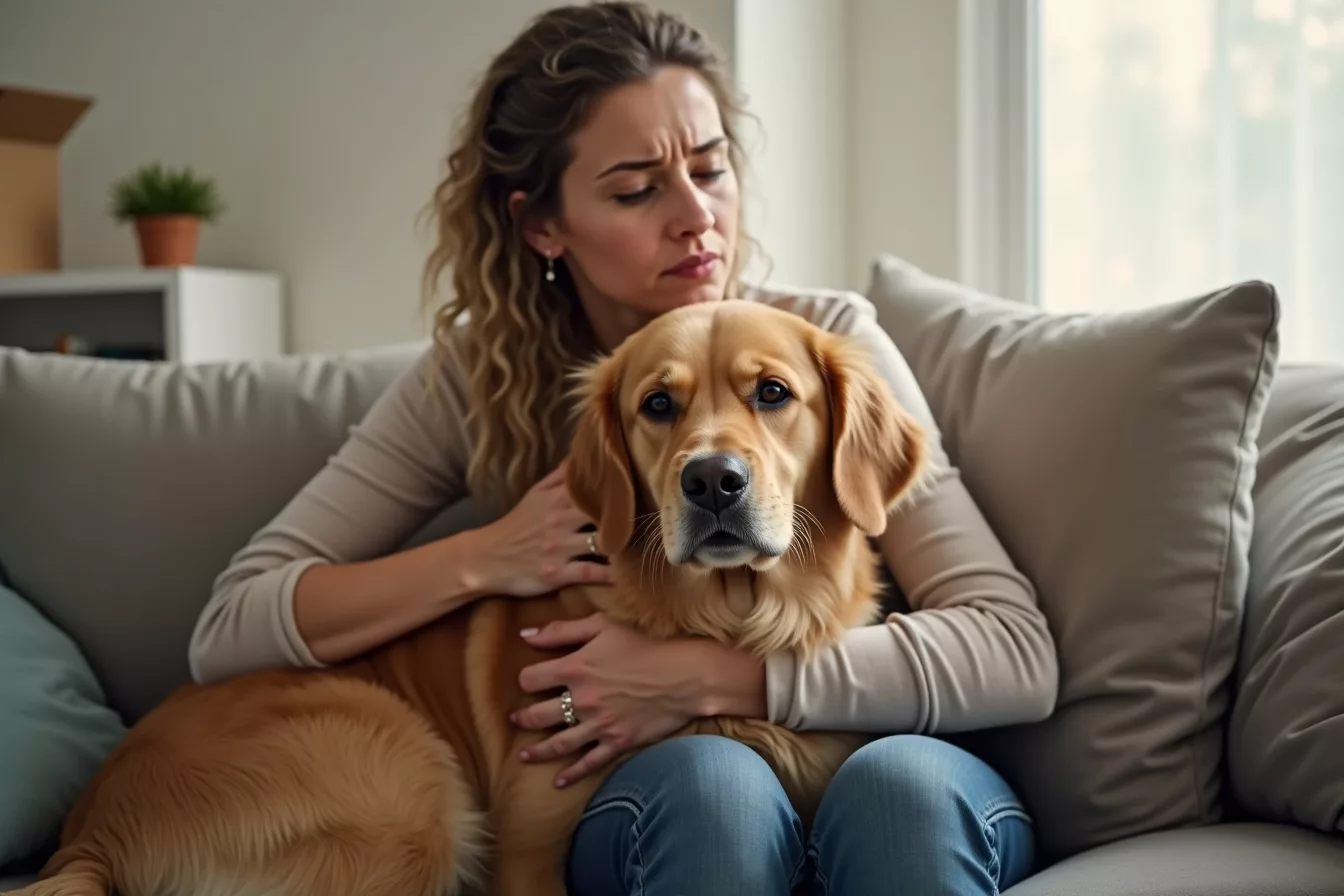

Every year, thousands of beloved pets find themselves in rescue centres across the UK—and a shocking new report reveals exactly why. According to the RSPCA’s 2025 Surrender Report, the reasons behind pet abandonment aren’t always what you’d expect. In this article, you’ll discover the five most common reasons families give up their furry friends—and the one reason that might surprise you most. By understanding these trends, you might just spot warning signs in your own pet’s life before it’s too late.
📊 Key Figures 2025
- 38% of surrendered pets: Behavioural issues cited as primary reason (RSPCA 2025)
- 26% of cases: Financial hardship forcing owners to rehome animals
- 18% of dogs: Surrendered due to housing/moving restrictions
- 12% of cats: Given up because of allergies or incompatibility with family
Sources: RSPCA UK, 2025 Surrender Report
1. Behaviour Problems: The Silent Killer of Pet Relationships
Behavioural issues remain the leading reason pets are surrendered—and it’s heartbreaking because most of these problems are entirely preventable. Dogs that bark excessively, show aggression, or display destructive behaviour are often handed over within the first two years of ownership. Cats that eliminate outside the litter box or scratch furniture create similar frustration.
The tragedy here? Most behavioural issues stem from inadequate training, insufficient exercise, or undiagnosed medical conditions. A dog displaying aggression might be in pain. A cat with inappropriate toileting could have a urinary tract infection. When owners don’t seek professional help early, they assume the pet is “broken”—and surrender becomes the easiest option.
✅ Expert Tip
Before surrendering a pet, book a behavioural assessment with a certified animal behaviourist or veterinarian. Many problems resolve within 4-6 weeks of targeted training. Max, a Springer Spaniel from Bristol, was almost rehomed for “uncontrollable jumping”—a single session revealed he needed two hours of daily exercise, not punishment. After lifestyle changes, he thrived.
2. Financial Hardship: The Growing Crisis
Pet ownership isn’t cheap—and the cost-of-living crisis is hitting UK pet owners hard. Nearly one in four surrender cases now cite financial strain as the reason. Unexpected vet bills, food inflation, and insurance costs are forcing responsible pet lovers to make impossible choices.
What’s particularly troubling is that many owners feel ashamed admitting they can’t afford their pet. Charities like the PDSA and Blue Cross offer low-cost vet services, but awareness remains limited among struggling families. Some owners wait until an emergency arises before seeking help—by then, it’s often too late.
3. Housing & Relocation: The Landlord Problem
Moving house remains a major surrender trigger, particularly for dog owners. Many landlords impose strict “no pets” policies, leaving families with an impossible ultimatum: find a new home or rehome your animal. This accounts for roughly one in five surrenders and disproportionately affects renters.
The UK pet rental crisis is worsening. Whilst a few landlords welcome pets, navigating pet-friendly housing is exhausting—especially with young children and work pressures. Some owners, exhausted from house-hunting, simply decide to surrender rather than continue the search.
4. Allergies & Incompatibility
It’s an uncomfortable truth: some families discover they’re allergic only after bringing a pet home. Others underestimate how a new pet will interact with young children or existing animals. Approximately 12% of cats and 8% of dogs are surrendered for these reasons.
This category hints at a broader problem: impulsive pet adoption without proper research. Families fall in love with a puppy’s cuteness or a cat’s eyes, then reality hits. Allergies can develop years later. New siblings can trigger jealousy in previously docile dogs.
⚠️ Important Note
If you’re considering a pet, spend at least two weeks with the animal beforehand—through a foster programme or extended time at a shelter. Allergies can be managed with regular grooming and air filters. Before surrendering, explore options like hypoallergenic breeds or allergy testing rather than rehoming immediately.
5. Time & Lifestyle Changes
Return to full-time office work, demanding jobs, new relationships, and health issues force some owners to acknowledge they simply can’t manage a pet anymore. Life happens—and sometimes pet ownership becomes incompatible with it. This accounts for roughly 6% of surrenders.
Unlike financial hardship, this category reflects genuine life disruption: parents returning to work after lockdown, owners diagnosed with chronic illness, or people entering care homes. These surrenders are often made reluctantly by owners who genuinely love their animals.
What You Can Do Right Now
If you’re struggling with your pet, contact the RSPCA, Blue Cross, or Battersea Dogs & Cats Home before considering surrender. Most offer free behavioural advice, financial assistance schemes, and foster-to-adopt programmes. Many surrenders are avoidable with early intervention.
If you’re thinking about getting a pet, the 2025 data is a clear message: adopt responsibly. Ensure stable housing, budget for veterinary care, and commit to proper training. The alternative—a confused, traumatised animal in a shelter—isn’t fair to anyone.
Have you noticed warning signs in your own pet’s behaviour or your household situation? The time to act is now—not when surrender feels like the only option.