
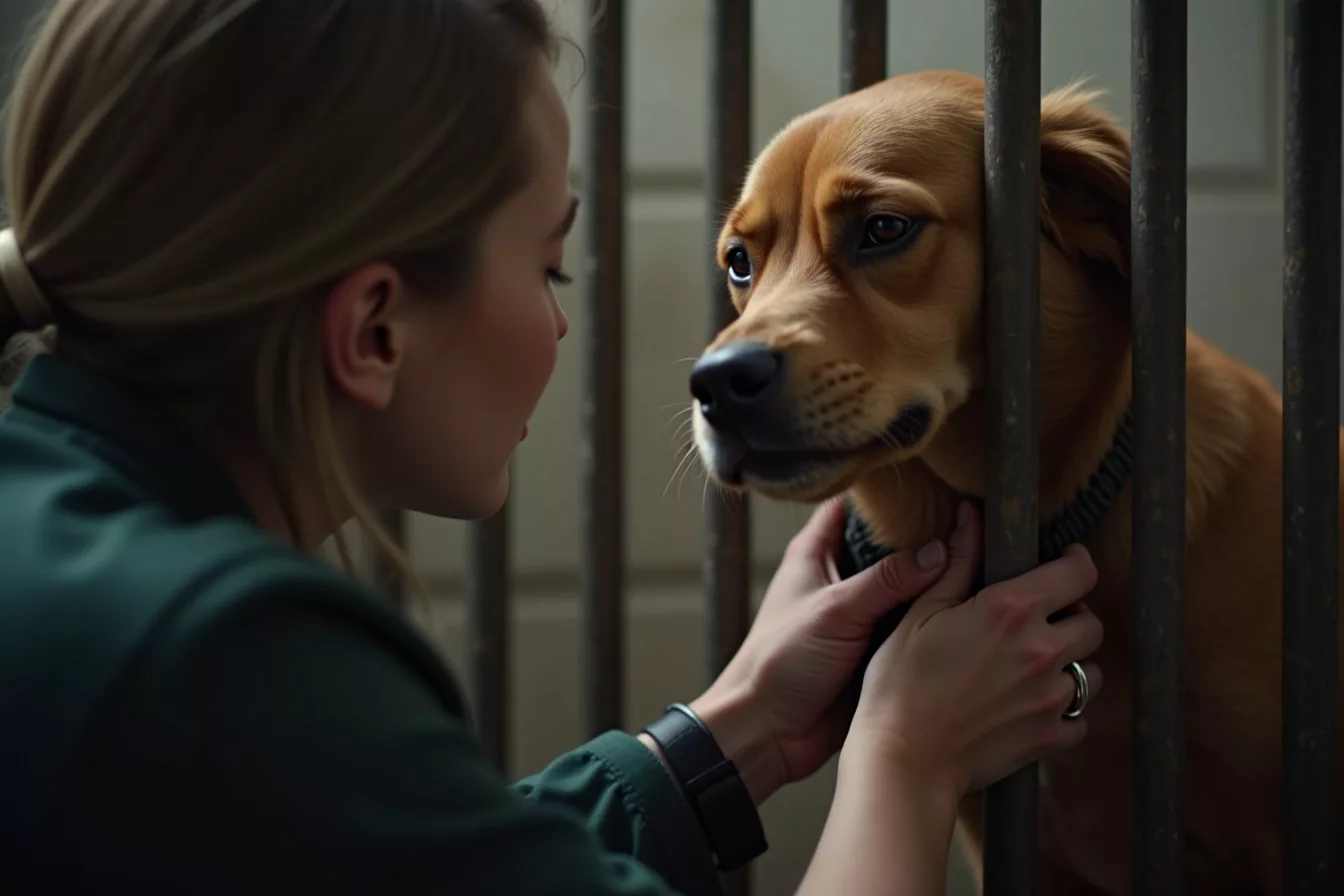

Every year, thousands of beloved pets end up in UK shelters—but why? A shocking new RSPCA 2025 report has finally revealed the most common reasons pet owners surrender their animals, and the findings may surprise you. In this article you’ll discover the top reasons pets are given up, what warning signs you should watch for in your own home, and how to prevent surrender before it happens. Most importantly, we’ll show you the single biggest reason cats and dogs end up in rescues—and it’s more preventable than you’d think.
📊 Key Figures 2025
- Behavioural problems account for 41% of dog surrenders: The RSPCA 2025 report found that aggression, anxiety, and destructive behaviour are the leading cause of pet abandonment in the UK.
- Financial hardship affects 38% of surrenders: Rising cost of living means pet owners struggle to afford food, veterinary care, and housing that allows pets.
- Cats surrendered for ‘too independent’ behaviour: 22%: Mismatched expectations about feline companionship drive unexpected surrenders, especially among first-time cat owners.
Sources: RSPCA, 2025; UK Pet Care Foundation
Behaviour Problems: The Silent Epidemic
Behavioural issues remain the number one reason UK pet owners hand over their dogs to shelters. According to the RSPCA’s 2025 findings, aggression towards other pets or family members, excessive barking, separation anxiety, and destructive chewing top the list. Many owners admit they simply didn’t receive proper training support early on.
Take Buster, a 3-year-old Labrador from Manchester, who was surrendered after he began displaying resource guarding around food bowls. His owners hadn’t realised this behaviour could be modified with professional help—they thought it was permanent. The sad truth? Most behavioural problems are entirely manageable with early intervention and the right guidance.
✅ Expert Tip
If your dog shows sudden changes in behaviour—excessive barking, aggression, or destructive habits—contact a certified animal behaviourist within two weeks. Early intervention prevents escalation and keeps pets in homes. The RSPCA and Association of Professional Dog Trainers (APDT) can recommend specialists in your area.
Financial Pressure: The Hidden Crisis
The cost of living crisis isn’t just affecting humans. The RSPCA’s 2025 report reveals that 38% of pet surrenders are directly linked to financial hardship. Vets’ bills, pet food inflation, and landlords who refuse pets all push vulnerable owners to make heartbreaking decisions.
Emergency veterinary care is particularly devastating: unexpected bills for fractures, infections, or illnesses can easily reach £1,500–£3,000. For families already struggling with rent and utilities, pet ownership becomes impossible. Even routine costs—premium dog food, flea treatments, and annual check-ups—add up to £800+ annually for a medium-sized dog.
⚠️ Financial Planning Matters
Before adopting a pet, calculate realistic annual costs: food (£400–£800), vets (£200–£400), insurance (£120–£300), and emergencies. Pet insurance from age 1–8 can prevent surrender decisions later. If you’re struggling now, contact the PDSA or Blue Cross—they offer subsidised vet care for pet owners on low incomes.
Mismatched Expectations: The Cat Owner’s Surprise
Cats are being surrendered at alarming rates because owners expect dog-like loyalty and affection. The RSPCA 2025 report found that 22% of cat surrenders stem from owners describing their cats as “too independent” or “not affectionate enough.” First-time cat owners often don’t realise that feline behaviour—hiding, selective socialisation, and independence—is perfectly normal.
Cats need patience, vertical space (cat trees, shelves), and respect for their boundaries. They show love differently than dogs: slow blinks, head bunts, and sitting nearby are profound signs of affection. Many surrendered cats simply need owners who understand feline psychology.
Allergies and Housing Changes
Unexpected allergies (7% of surrenders) and housing transitions (12% of surrenders) account for nearly one in five pet abandonments. A new landlord’s no-pet policy or a family member’s newly diagnosed allergy can feel like an impossible situation. However, solutions exist: hypoallergenic breeds, air purifiers, and pet-friendly rental schemes can help.
The PDSA and Cats Protection charity also offer rehoming support for owners facing genuine crises, ensuring pets move to suitable new families rather than overcrowded shelters.
Time and Lifestyle Incompatibility
Returning to full-time office work after the pandemic has created a hidden crisis: 9% of surrenders relate to owners realising they don’t have time for their pets. High-energy breeds like Border Collies and Spaniels require 2+ hours of daily exercise and mental stimulation. Without this, they develop anxiety and destructive behaviours, leading to surrender.
Be honest about your lifestyle before adopting. If you work 9–5 without dog-walking support, consider a lower-energy breed, or delay pet ownership until your circumstances change.
Prevention Starts with Preparation
The RSPCA 2025 report makes one thing clear: most surrenders are preventable. Research your chosen breed thoroughly. Budget for unexpected vets’ bills. Invest in training and socialisation. Connect with local pet communities for support. And if crisis strikes—financial, health-related, or lifestyle—reach out to charities like the RSPCA, PDSA, Battersea Dogs and Cats Home, or Cats Protection before surrender becomes your only option.
Have you ever felt overwhelmed by pet ownership? Did you know these support services existed? Share your story in the comments—and remember, asking for help is far braver than giving up.