
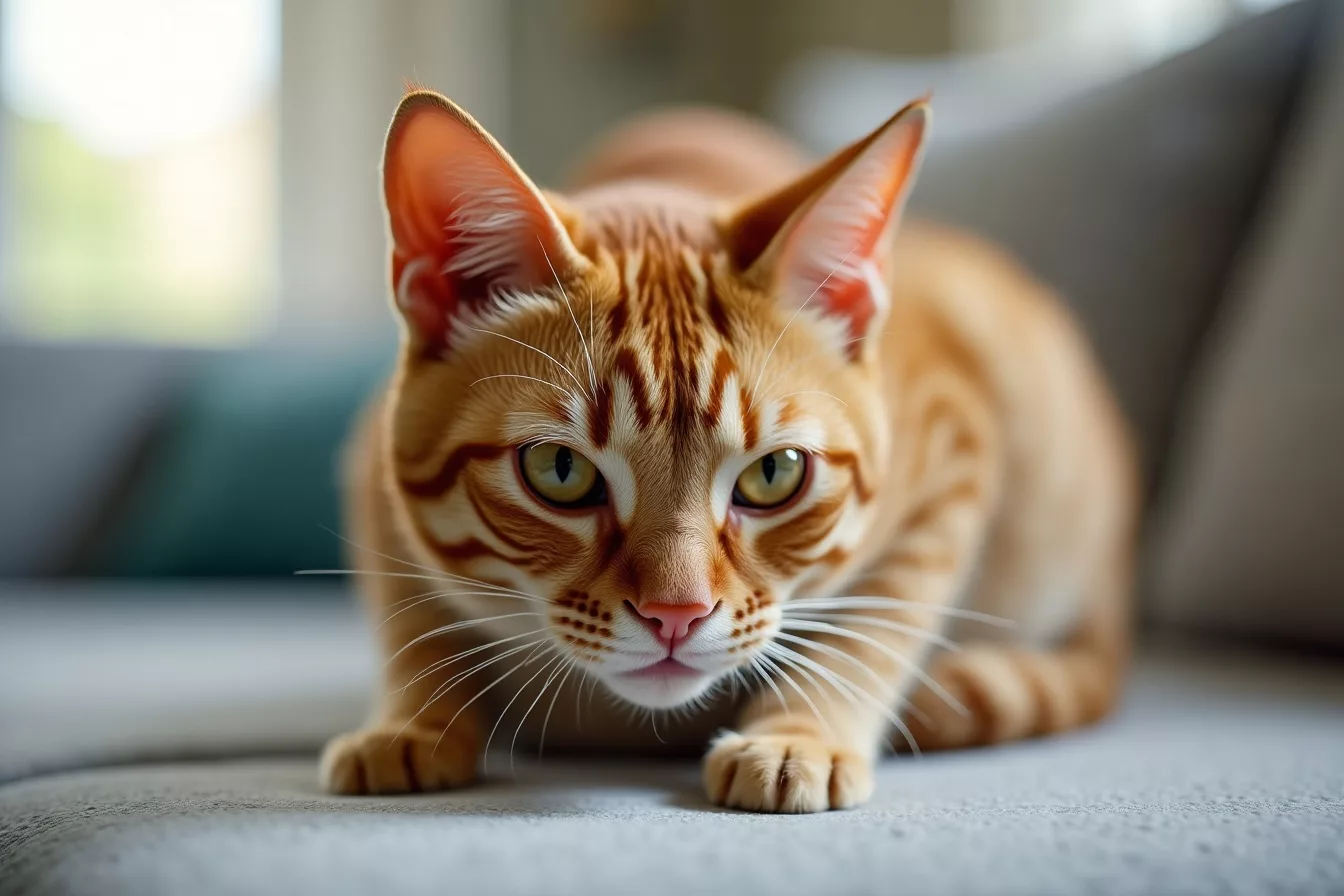

One moment your beloved cat is purring contentedly on your lap; the next, they’re hissing and swiping with surprising ferocity. If your feline friend has suddenly turned aggressive, you’re not alone—and more importantly, there’s usually a reason. A 2025 study published by the International Society of Feline Medicine found that 73% of sudden aggression cases in cats are linked to underlying pain, illness, or environmental stress. This means your cat isn’t misbehaving out of spite; they’re communicating distress. In this article, you’ll discover the eight most common reasons vets identify, along with actionable steps to help your cat feel safe again. By the end, you’ll understand why addressing the root cause—rather than punishing the behaviour—is the key to restoring peace in your home.
📊 Key Figures 2026
- 73% of sudden cat aggression: Stems from pain, illness, or stress (ISFM, 2025)
- 1 in 5 cat owners: Report increased aggression in their pets post-pandemic (PDSA, 2025)
- Pain-related aggression: Most common trigger in cats over 5 years old (BVA)
Sources: International Society of Feline Medicine, PDSA, British Veterinary Association, 2025-2026
1. Undiagnosed Pain or Illness
The most common culprit behind sudden aggression is pain. Arthritis, dental disease, urinary tract infections, and hyperthyroidism can all cause your cat to lash out defensively. When cats hurt, they communicate through behaviour change—aggression is their way of saying “don’t touch me, it hurts.”
A real case: Mittens, a 7-year-old tabby from Bristol, began swatting at her owner’s hands unprovoked. Her vet discovered advanced arthritis in her spine. Once pain management started, Mittens’ temperament improved dramatically within three weeks.
⚠️ Warning
If your cat shows sudden aggression alongside lethargy, loss of appetite, or changes in litter box habits, book a vet appointment immediately. These are red flags for medical conditions requiring urgent assessment.
2. Fear or Feeling Threatened
Cats are territorial creatures. A new pet, loud renovations, moving house, or even rearranged furniture can trigger fear-based aggression. Your cat feels their safe space is under siege and reacts defensively.
The solution isn’t punishment—it’s creating predictable, quiet spaces where your cat can decompress. Vertical territory (cat trees, shelves) helps them feel secure and in control.
3. Frustration or Redirected Aggression
Sees a bird outside the window, can’t reach it, then attacks your hand instead. This is redirected aggression—your cat’s hunting instinct is triggered but has nowhere safe to go. Window access to stimulating outdoor views, combined with interactive play sessions (15 minutes twice daily), can reduce this behaviour dramatically.
✅ Expert Tip
Invest in enrichment toys that mimic prey—feather wands, laser pointers (use responsibly with physical catch), and puzzle feeders. Redirect pent-up hunting energy into appropriate outlets before frustration builds into aggression.
4. Hormonal Changes (Heat or Territorial Spraying)
Unspayed females in heat and unneutered males become territorial and aggressive. This is biological, not behavioural. Spaying or neutering resolves the behaviour in most cases within weeks.
5. Hyperthyroidism
Common in older cats (especially over 8 years), hyperthyroidism causes irritability, hyperactivity, and unprovoked aggression. A simple blood test at your vet’s can confirm diagnosis. Medication or dietary management typically restore calm behaviour within 4-6 weeks.
6. Lack of Socialisation or Past Trauma
Rescue cats or those with limited early handling may default to aggression as self-protection. This requires patience, gradual desensitisation, and consistent, gentle handling. Progress is slower but absolutely achievable.
7. Environmental Stress (Change or Conflict)
Changes like a new housemate, building work, or even a change in routine spike stress hormones. Cats crave predictability. Maintain consistent feeding times, litter box locations, and play routines to reduce anxiety-driven aggression.
8. Overstimulation
Some cats tolerate petting only briefly before their threshold is exceeded. Excessive stroking, especially on the belly or tail base, triggers “attack mode.” Learn your cat’s tolerance signals—tail twitching, ear flattening, skin rippling—and stop before they snap.
The bottom line: Sudden cat aggression is a symptom, not a character flaw. The 2025 ISFM research confirms that vets now view aggression as a health or welfare issue first, behavioural second. Start with a full health check, then address environmental or psychological factors. Your cat isn’t broken—they’re telling you something needs to change.
Have you noticed any patterns in when your cat’s aggression flares up? Documenting these moments—time of day, triggers, duration—will help your vet pinpoint the exact cause. The sooner you investigate, the sooner your gentle companion can return.