
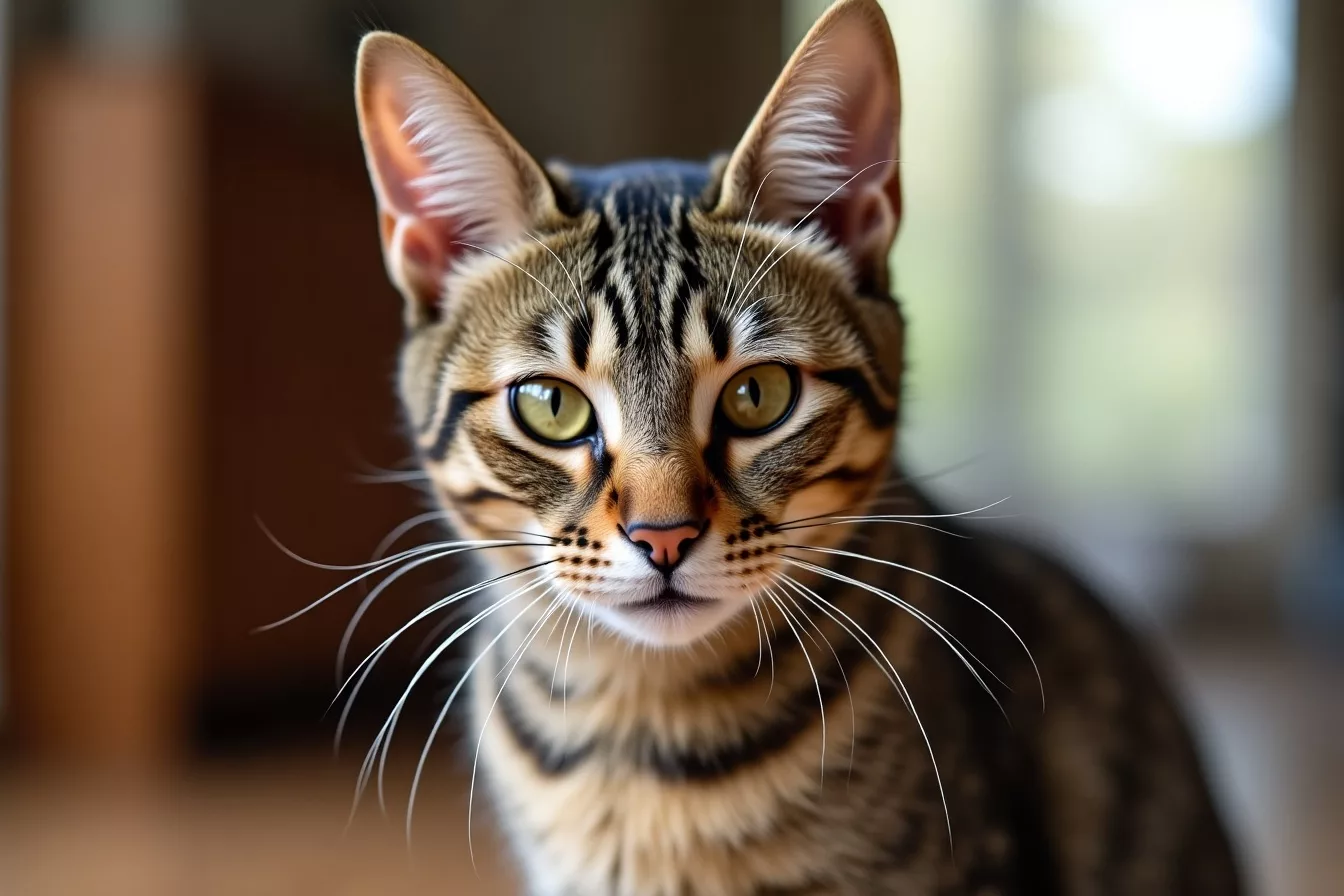

One moment your cat is purring contentedly; the next, they’re hissing and swiping. If your feline has recently turned aggressive, you’re not alone—a 2025 study by the American Veterinary Medical Association found that 34% of cat owners report sudden behavioural changes in their pets. Aggression in cats isn’t random; it’s almost always a cry for help. In this article, you’ll discover the eight most common triggers vets identify, along with practical steps to restore peace in your home. The most surprising reason? It might have nothing to do with your cat’s temperament at all.
📊 Key Figures 2026
- 34% of cat owners report sudden aggression or behavioural changes in their cats (AVMA, 2025)
- 1 in 5 cats experience pain-related aggression that goes undiagnosed for over six months (Royal Veterinary College, 2024)
Sources: American Veterinary Medical Association, Royal Veterinary College
1. Hidden Pain or Illness
The number one reason vets identify aggressive behaviour is pain. Cats are masters at hiding discomfort, but when it becomes unbearable, aggression erupts. Arthritis, dental disease, urinary tract infections, and thyroid problems commonly trigger sudden lashing out.
If your cat was gentle for years and suddenly snaps when touched, schedule a vet appointment immediately. Pain-related aggression often appears when you pet their back, lift them, or touch their abdomen.
⚠️ Warning
If your cat refuses to eat, uses the litter tray excessively, or shows signs of limping, contact your vet within 48 hours. These may signal acute pain or infection requiring urgent treatment.
2. Stress and Environmental Changes
Cats thrive on routine. Moving house, a new pet, a change in your work schedule, or even rearranged furniture can trigger anxiety-driven aggression. Some cats lash out at family members when their world feels unpredictable.
Amber, a three-year-old Ragdoll from Manchester, became suddenly aggressive after her owner started working from home full-time. The constant presence and disrupted nap schedule overwhelmed her.
✅ Expert Tip
Create a safe space: a quiet room with hiding spots, a familiar blanket, and access to resources (food, water, litter). Let your cat retreat when stressed. Use Feliway (synthetic feline pheromone) diffusers to reduce anxiety naturally.
3. Territorial or Redirected Aggression
Cats are fiercely territorial. If they see another cat outside the window or detect a strange animal nearby, they may redirect that frustration onto you or housemates. This happens because they can’t reach the perceived threat.
Closing curtains during peak activity hours and enriching your cat’s indoor environment with climbing trees and window perches can help channel territorial energy positively.
4. Hormonal Changes and Sexual Maturity
Unneutered or unspayed cats experience hormonal surges that increase aggression, particularly during breeding season. Even if your cat is indoors, these instincts remain powerful.
If your cat hasn’t been neutered or spayed and is displaying new aggression, this is often the culprit. Neutering typically resolves hormone-driven behaviour within weeks.
5. Fear-Based Aggression
A frightened cat isn’t a calm cat. When cornered or feeling threatened, even the gentlest tabby will fight back. Fear-based aggression often appears suddenly if your cat experienced a traumatic event—being dropped, chased by another pet, or handled roughly.
Never punish a fearful cat. Instead, allow them to approach you on their terms, use treats and play to rebuild trust, and avoid situations that trigger panic.
6. Hyperthyroidism and Metabolic Disorders
A 2024 study by the Royal Veterinary College found that older cats with undiagnosed hyperthyroidism often displayed personality changes, including sudden aggression. This common condition is easily treatable once diagnosed.
Other signs include weight loss despite increased appetite, excessive drinking, and hyperactivity. A simple blood test confirms the diagnosis.
7. Insufficient Play and Mental Stimulation
A bored cat is an angry cat. Without proper enrichment—interactive toys, puzzle feeders, climbing structures—cats become frustrated and channel that energy aggressively.
✅ Expert Tip
Aim for 15 minutes of interactive play daily using wand toys or laser pointers. Rotate toys weekly to maintain interest. Puzzle feeders turn mealtimes into mental engagement, which naturally reduces aggressive behaviour.
8. Early Signs of Cognitive Decline or Neurological Issues
Senior cats sometimes develop cognitive dysfunction, causing confusion, disorientation, and uncharacteristic aggression. Neurological conditions like epilepsy or brain tumours can also trigger sudden behavioural shifts.
If your elderly cat shows aggression alongside confusion (not recognising familiar people, night-time vocalisations, or accidents outside the litter tray), consult your vet about cognitive support options.
What to Do Right Now
Start with a vet check-up to rule out medical causes. Bring a detailed description of when aggression occurs, what triggers it, and any other behaviour changes you’ve noticed. Keep a diary for a week to identify patterns.
Meanwhile, prioritise your safety. Wear long sleeves during high-risk times, trim your cat’s nails, and avoid rough play. Never punish aggression—this escalates fear and anxiety.
Most sudden aggression is reversible once the underlying cause is identified and addressed. Whether your cat is in pain, stressed, bored, or experiencing a medical condition, getting professional help quickly is the kindest—and smartest—move.
Have you noticed your cat’s aggression coinciding with any life changes? Share your experience in the comments—your story could help another cat owner recognise what’s happening with their pet.