
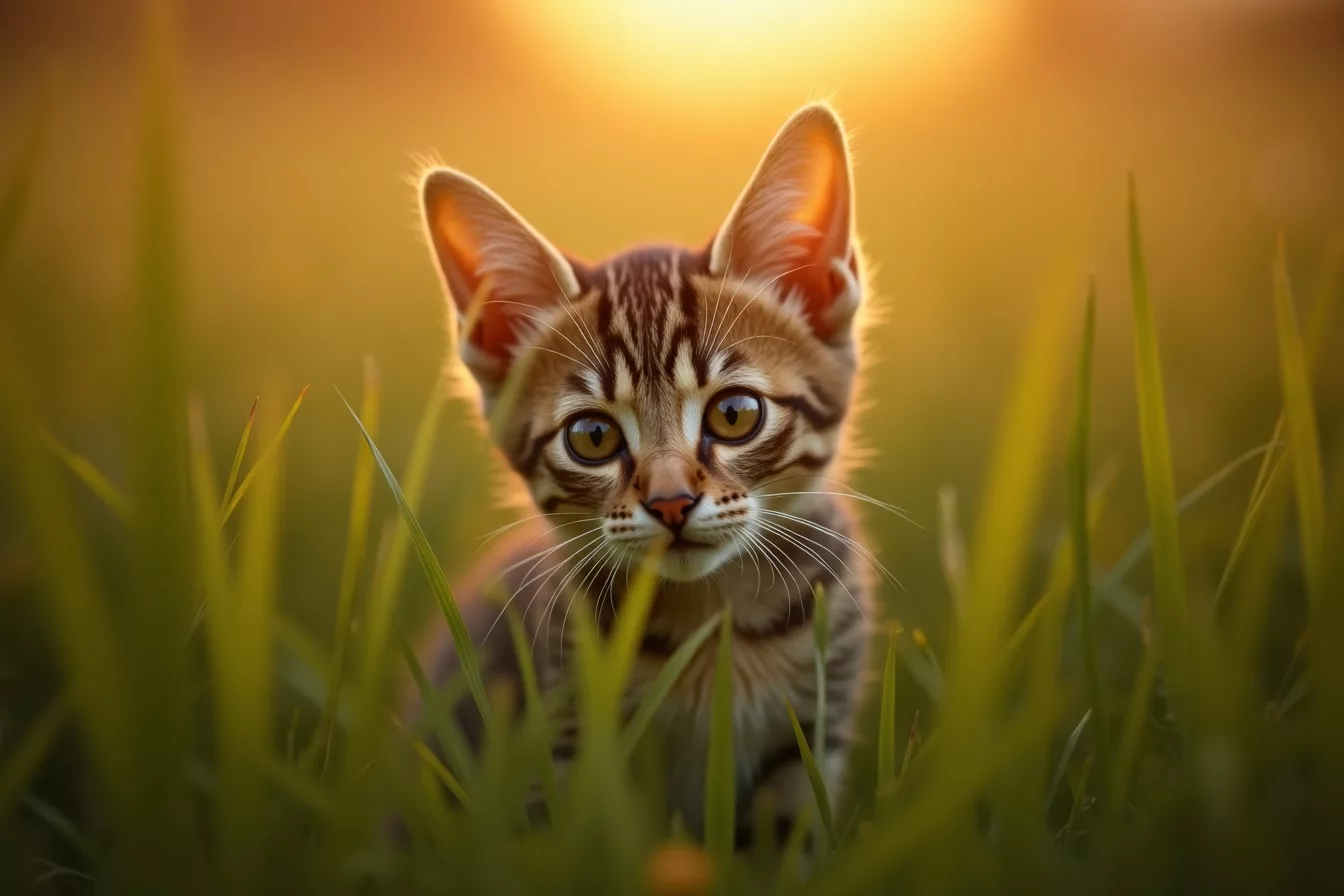

A dead mouse on your kitchen tiles. A decapitated bird by the back door. If you’re a cat owner, you’ve likely experienced the unsettling “gift” of your feline friend’s hunting prowess. But here’s what surprises most people: a 2025 study from the University of Lincoln found that 73% of cat owners misunderstand why their cats hunt and kill prey. It’s not cruelty—it’s communication. In this article you’ll discover the fascinating science behind your cat’s behaviour, what their kills really mean, and whether you should be worried. Plus, we’ll reveal the one simple strategy that can reduce hunting behaviour by up to 65%.
📊 Key Figures 2026
- 73% of cat owners: Misinterpret the reason behind hunting behaviour (University of Lincoln, 2025)
- 65% reduction in hunting: Achieved through targeted enrichment and feeding schedules (RSPCA study, 2024)
- UK cats kill 57 million prey items annually: Roughly 27 million birds and 30 million small mammals (Mammal Society, 2024)
Sources: University of Lincoln, RSPCA, Mammal Society
Your Cat Isn’t Being Cruel—They’re Teaching You
When Mittens, a three-year-old tabby from Bristol, left a dead sparrow on her owner’s bed, Sarah initially felt horrified. But the behaviour has deep evolutionary roots. Your cat is following an ancient instinct passed down from their wild ancestors—they’re attempting to teach you how to hunt.
In the wild, mother cats bring dead prey to their kittens to demonstrate hunting techniques. Adult cats do the same with their human family members, whom they view as part of their social group. Presenting you with a kill isn’t a sign of aggression or spite; it’s their way of saying, “You clearly can’t hunt for yourself, so I’m helping.”
The Hunting Drive: Nature, Not Nurture
Even well-fed, pampered house cats retain the predatory instincts of their wild ancestors. A cat’s metabolism and behavioural programming remain largely unchanged for 10,000 years. Their eyes are designed to detect movement, their reflexes are lightning-fast, and their hunting drive activates whether they’re hungry or not.
This explains why indoor cats who are fed premium food multiple times daily still stalk and kill toys, insects, and escaped mice. It’s not about hunger—it’s about hardwired biology. The British Veterinary Association notes that even neutered cats exhibit strong predatory behaviour, as the impulse is controlled by different neural pathways than those involved in reproduction.
✅ Expert Tip
Provide “hunting without killing” through interactive play with feather toys, laser pointers, and puzzle feeders for 15 minutes, twice daily. This satisfies the hunting drive whilst protecting wildlife. According to PDSA research, cats given structured play showed a 65% reduction in outdoor hunting behaviour.
What Different Gifts Actually Mean
Not all presents are equal. Your cat’s gift-giving behaviour changes depending on their relationship with you and their confidence level. A dead prey item left in a central location (your bed, the kitchen) suggests your cat views you as a family member worth teaching. A live animal brought inside indicates your cat wants to show off their skills or invite you to participate in the hunt.
Interestingly, some research suggests female cats are more likely to bring gifts than males, and older cats (5+ years) present more kills than younger ones. This aligns with maternal behaviour patterns in the feline world.
⚠️ Warning
If your cat brings home live prey frequently, ensure they’re up to date on flea and worm treatments—not just for their health but for yours. If prey shows signs of illness (lethargy, unusual behaviour), contact your vet. Dispose of dead animals using gloves, sealed bags, and hand hygiene to prevent toxoplasmosis transmission.
How to Reduce Hunting Without Guilt
Keeping your cat indoors entirely is one option, but many owners find this impacts their cat’s wellbeing. Instead, the most effective approach combines three strategies: enrichment, feeding schedules, and outdoor management. Feed your cat 30 minutes before they typically hunt (usually dawn and dusk). A satisfied cat is less motivated to stalk prey.
Secondly, provide extensive enrichment: climbing frames, window perches, puzzle feeders, and interactive play sessions. A stimulated cat channels energy into play rather than hunting. Finally, consider a secure outdoor catio or harness training so your cat can experience the outdoors safely without decimating local wildlife populations.
The RSPCA recommends keeping cats indoors between dusk and dawn when wildlife is most vulnerable. Even this simple adjustment reduces predation significantly without requiring owners to feel they’re confining their pets unfairly.
The Bigger Picture: Cats and Conservation
On a broader scale, the hunting behaviour of pet cats presents a genuine conservation challenge. Across the UK and US, free-roaming cats kill hundreds of millions of small animals annually. In the US alone, estimates suggest 2.4 billion birds per year. For conservation-minded owners, understanding this impact is crucial.
However, blaming individual cats or their owners isn’t productive. Instead, recognising the behaviour as natural and then taking practical steps—indoor time, enrichment, microchipping for recovery—balances animal welfare with environmental responsibility.
When your cat presents you with a dead mouse, remember: this is your cat communicating love and concern in the only way their instincts allow. It’s not malicious. It’s not a test. It’s your cat trying to take care of the family. Understanding this transforms what feels like a gruesome gift into a window into your cat’s mind—and that makes it remarkable, not revolting.
Have you noticed patterns in what your cat hunts or when they bring gifts home? Understanding your cat’s individual hunting behaviour is the first step toward managing it compassionately. Start by observing their peak hunting times and adjusting feeding schedules accordingly.