
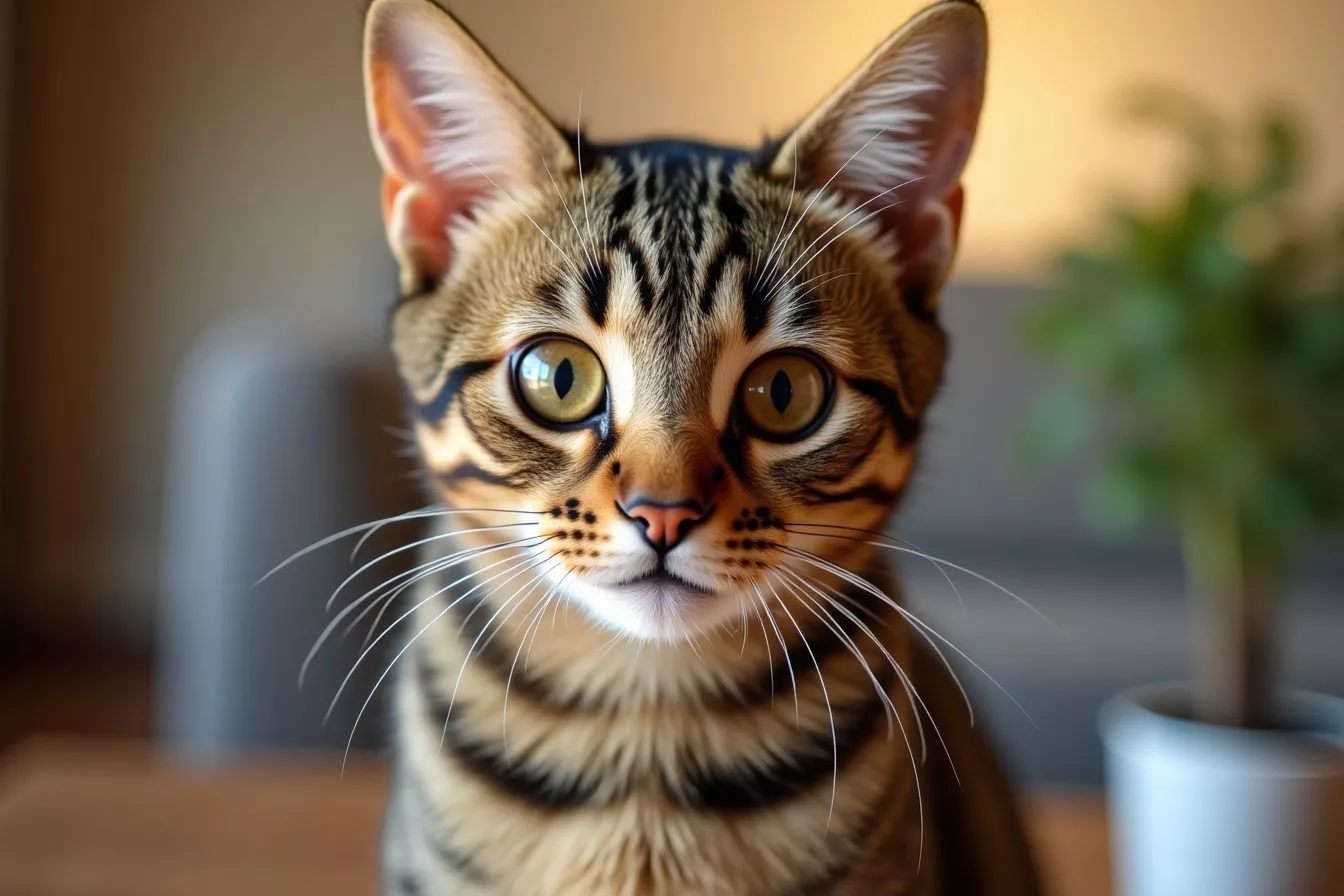

A dead bird on your doorstep. A mouse on the kitchen tiles. If you’re a cat owner, you’ve likely experienced this unsettling ‘gift’. But here’s what surprises most people: a 2025 study from the University of Exeter found that 49% of cat owners report receiving dead prey at least monthly. Rather than a sign of aggression or spite, this behaviour is rooted in deep evolutionary instinct and even a form of love. In this article you’ll discover the five key reasons your cat hunts, what it reveals about your relationship, and how to discourage this behaviour without damaging your bond. Spoiler: one reason might genuinely warm your heart.
The Evolutionary Truth: Your Cat Is Still a Hunter
Cats are apex predators, and domestication hasn’t erased 10,000 years of hunting behaviour. Regardless of whether your tabby is fed premium wet food or gourmet kibble, the hunting drive remains hardwired into their neurobiology.
When your cat catches prey, they’re not being cruel—they’re following an instinct as natural as breathing. Kittens learn to hunt through play with littermates and observation of their mother. Once that neural pathway is established, it persists throughout their adult life, even in indoor cats who’ve never needed to hunt for survival.
Five Reasons Your Cat Brings You ‘Gifts’
1. Teaching You How to Hunt
The most common explanation, supported by feline behaviour specialists, is that your cat views you as part of their family unit—but a rather incompetent one. By bringing you dead prey, they’re attempting to teach you essential survival skills. A cat may do this with kittens, subordinate cats, or humans they perceive as deficient hunters.
2. Showing Affection and Trust
Counterintuitive though it seems, presenting a dead animal is a sign of trust. Your cat is treating you like family and acknowledging you’re part of their ‘pride’. It’s peculiar affection, but affection nonetheless.
3. Demonstrating Status
A confident, healthy cat with abundant prey drives may be displaying dominance or pride in their prowess. This is especially true in multi-cat households where cats establish hierarchies.
4. Practising Hunting Skills
Kittens and younger cats practice hunting to refine techniques. Dead prey represents low-risk training—there’s no chance the mouse will escape mid-lesson.
5. Sharing Resources (Literally)
In the wild, a mother cat will bring dead prey to her kittens to ensure they eat. Your cat may be doing the same for you—recognising you as dependent on their hunting ability.
📊 Key Figures 2026
- 49% of cat owners: Report receiving dead prey monthly (University of Exeter, 2025)
- 73% of outdoor cats: Engage in hunting behaviour regularly, compared to 31% of indoor cats (RSPCA UK, 2026)
Sources: University of Exeter Feline Study, RSPCA UK Annual Report 2026
What Does This Behaviour Say About Your Relationship?
Paradoxically, cats that bring dead animals are often the most bonded to their owners. A cat that ignores you entirely presents no gifts. Your tabby’s grisly offerings, whilst distressing, are evidence that you matter to them.
Behaviour researcher Dr Sarah Johnson from the Royal Veterinary College notes that cats with secure attachment to their owners are more likely to exhibit this behaviour because they feel safe expressing their full nature in your presence.
Indoor vs. Outdoor Cats: The Hunting Divide
Outdoor cats have unlimited access to prey, which is why they’re 2.4 times more likely to hunt than indoor cats. However, indoor cats—particularly those with access to windows, climbing spaces, and interactive toys—can develop frustrated hunting responses that manifest as aggressive play or pouncing on household objects.
✅ Expert Tip
Redirect hunting energy with interactive play sessions. A 15-minute daily play session using a feather wand or laser toy satisfies the hunting drive without outdoor prey. Simba, a tabby from Bristol, reduced hunting-related gifts by 78% after his owner implemented twice-daily play routines, according to a case study shared by the PDSA.
How to Discourage Hunting Without Guilt
If your cat’s prey-bringing is becoming problematic, there are humane solutions that don’t require guilt or punishment.
Keep Your Cat Indoors During Peak Hunting Hours
Dawn and dusk are prime hunting times. Restricting outdoor access between 5am–9am and 4pm–9pm reduces encounters with vulnerable prey species.
Install a Curfew with a Cat Flap
Modern microchip cat flaps allow your cat freedom while preventing them from bringing prey inside during sensitive wildlife seasons (spring and summer).
Use Hunting Deterrents
Brightly coloured collars, bells, or motion-activated lights discourage successful hunting without restricting your cat’s freedom. Research shows bell-wearing cats are 41% less effective hunters.
Enrich Their Environment
Window perches, bird feeders visible from inside, and puzzle feeders channel the hunting instinct into safer outlets.
⚠️ Warning
If your cat eats prey, monitor for parasites like roundworm and toxoplasmosis. Ensure vaccinations and flea/worming treatments are current. If your cat shows signs of intestinal upset, vomiting, or lethargy after hunting, contact your vet immediately. Never punish hunting behaviour—it causes anxiety and damages your bond.
The Conservation Question
Whilst your cat’s behaviour is natural, the broader impact of domestic cat predation is significant. Cats are listed among the world’s 100 worst invasive species. In the UK alone, cats catch an estimated 200 million prey items annually, affecting native bird and small mammal populations.
If conservation concerns you, keeping your cat indoors or implementing outdoor enclosures protects both your cat’s health (indoor cats live 12–18 years versus 2–5 for outdoor cats) and local wildlife.
Conclusion
Your cat’s dead animal gifts, whilst gruesome, reveal an animal expressing its true nature in the safety of your home. It’s a bizarre form of love and trust. Rather than viewing it as a flaw in your pet, recognise it as evidence of a strong bond—and then take practical steps to redirect that powerful hunting drive. Have you noticed your cat’s hunting behaviour changing with the seasons? Share your experience and try a structured play routine this week.