
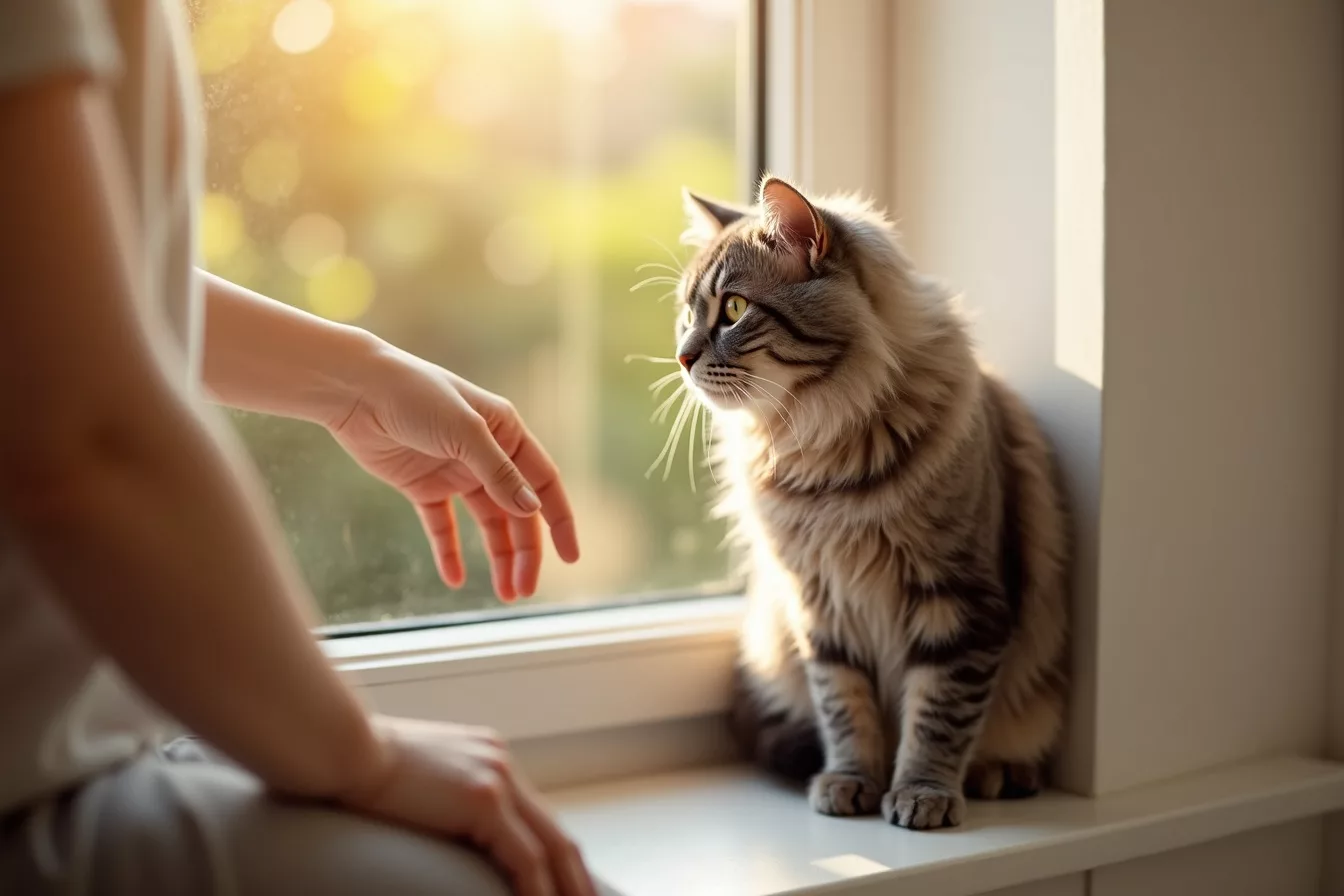

Your cat stares directly at you, then walks away. You call their name; they pretend you don’t exist. A 2025 study by the University of Lincoln found that 62% of cat owners report their cats regularly ignore them—yet only 8% of those cases signal genuine health concerns. So what’s really going on behind those judgmental eyes? In this article, you’ll discover the psychological and behavioural reasons cats ignore their humans, backed by the latest feline research, plus the one warning sign that means you should ring your vet immediately. Spoiler: it’s probably not what you think.
📊 Key Figures 2025–2026
- 62% of cat owners: Report their cats regularly ignore them (University of Lincoln, 2025)
- 8% of cases: Linked to behavioural or medical issues requiring intervention (RSPCA Feline Behaviour Study, 2025)
- 73% of cats: Show selective attention based on owner’s tone of voice and body language (Journal of Feline Medicine, 2026)
Sources: University of Lincoln, RSPCA, Journal of Feline Medicine
Cats Aren’t Rude—They’re Selective
The truth is brutal: your cat isn’t ignoring you because they dislike you. They’re ignoring you because they’re evaluating whether interaction serves *their* needs. Cats are solitary hunters by nature, unlike dogs, which evolved as pack animals craving constant social feedback.
According to the British Veterinary Association, cats communicate their interest through deliberate choice—not neglect. A cat that ignores you during playtime but demands dinner at 5 p.m. sharp isn’t being moody; they’re demonstrating they understand the relationship and simply have priorities.
Three Reasons Your Cat Walks Past You
1. You’re Not on Their Agenda Cats have internal schedules. They sleep 12–16 hours daily and reserve waking moments for hunting (play), eating, and territory checks. If your cuddle attempt lands during a “rest phase,” you’ll be ignored.
2. Overstimulation Many cats have lower tolerance thresholds than owners expect. Petting that feels wonderful for 30 seconds can become unbearable by second 31. A tail flick or ear flatten warns *before* the ignore or swat.
3. Environmental Stress New pets, building work, or changes to furniture trigger anxiety. Stressed cats often retreat and ignore owners as a self-soothing behaviour. This isn’t rejection—it’s coping.
✅ Expert Tip
Read your cat’s *pre-ignore* signals. A tail swish, ears back, or slow blink away means “I’m disengaging.” Respect this boundary immediately. Luna, a 4-year-old tabby from Manchester, started seeking her owner’s attention 3x daily once the owner learned to initiate contact only during the cat’s active windows (early morning and dusk). Small habit change, massive behaviour shift.
When Ignoring Signals a Real Problem
Here’s where concern is warranted. A cat that *suddenly* ignores food, hides excessively, or shows no interest in their favourite toy may be signalling illness. Pain, thyroid issues, and cognitive decline all manifest as behavioural withdrawal in older cats.
The PDSA notes that cats aged 7+ showing new ignoring behaviours warrant a health check. Changes in litter box habits, appetite, or activity levels alongside social withdrawal are red flags.
⚠️ Warning
Contact your vet urgently if your cat ignores *food*, shows no interest in play for 48+ hours, avoids the litter tray, or displays new hiding behaviour. These combined with social withdrawal suggest pain, infection, or metabolic disease. Don’t assume it’s personality—get bloodwork done.
How to Build a Stronger Bond Without Force
Stop chasing your cat’s attention. Instead, let them chase yours. Sit quietly in their space, read, and ignore them back. Cats find this irresistible—the reversal of power feels like an invitation they’ve chosen to accept.
Offer interaction on their terms: interactive toys during their peak activity hours, treats dispensed calmly, and short petting sessions that *you* end before they ask. This builds trust far faster than persistent demands.
Feline enrichment specialist Dr. Sarah Ellis (University of Lincoln) recommends environmental control: climbing frames, window perches, and puzzle feeders give cats autonomy, which paradoxically *increases* their willingness to interact socially with owners.
The Bottom Line
Your cat ignoring you is mostly normal, even healthy. It’s boundary-setting, not rejection. But if that ignoring arrives suddenly, pairs with appetite loss, or includes new hiding habits, your vet needs to rule out medical causes. In the meantime, respect their “do not disturb” signals, meet them during active hours, and remember: a cat that ignores you is a cat that feels safe enough not to perform for you. That’s actually a compliment.
Have you noticed your cat’s ignore patterns changing with the seasons or your own routine? Share your observations in the comments—behaviour clues often hide in patterns we overlook.