
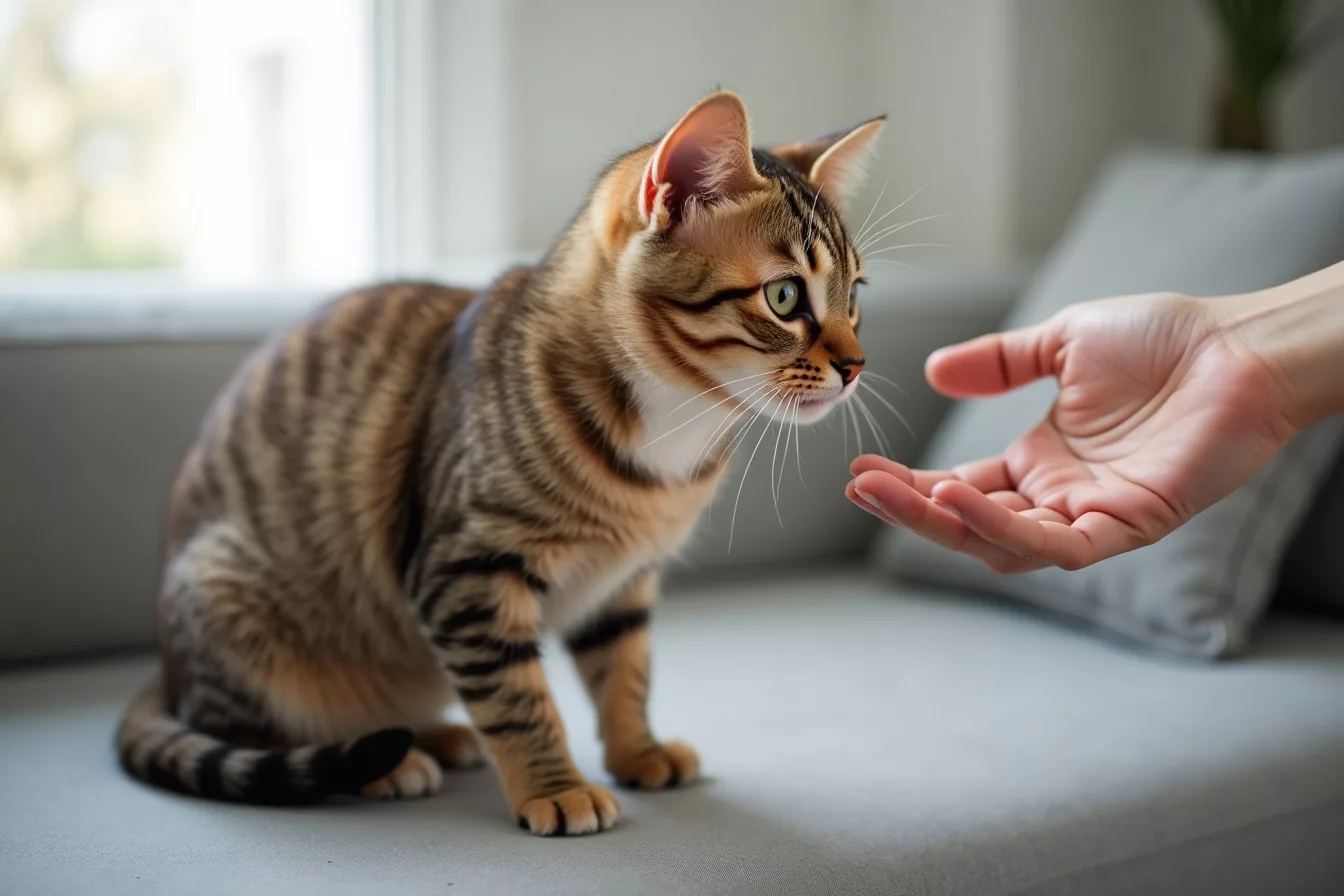

Your cat stares directly at you, then deliberately looks away. Sound familiar? According to a 2025 study from the University of Lincoln, 64% of cat owners report their pets actively ignore them daily—yet most assume their feline is simply being aloof. In this article you’ll discover why cats ignore their humans (hint: it’s rarely what you think), how to tell the difference between normal behaviour and genuine concern, and the one sign that demands immediate veterinary attention.
📊 Key Figures 2026
- 64% of UK cat owners: Report their cats regularly ignore them, per University of Lincoln 2025 study
- 52% behavioural issue: Ignore is learned behaviour, not rudeness—feline communication research, 2024
- 1 in 8 cats: Show signs of stress-related ignoring linked to environmental changes
Sources: University of Lincoln, RSPCA Animal Behaviour Team, 2025–2026
The Truth About Cat Ignoring: It’s Not Personal
Cats don’t ignore you to be rude. In fact, ignoring is a highly sophisticated communication tool in their arsenal. When your cat looks away mid-interaction, they’re often exercising what animal behaviourists call “behavioural choice”—they’re telling you they’ve had enough stimulation, or they’re simply not in the mood for human interaction right now.
Unlike dogs, who’ve evolved alongside humans for thousands of years and crave constant validation, cats domesticated themselves just 10,000 years ago. They retain wild instincts that prioritise independence and self-preservation over pleasing their owners. This doesn’t mean your cat doesn’t love you—it means love looks different in feline form.
Five Reasons Your Cat Ignores You (And Why It’s Normal)
1. They’re Overstimulated — Your cat has a much lower threshold for touching than you might expect. Stroking for more than a few minutes triggers irritation signals in their nervous system. When they ignore you or walk away, they’re setting a boundary.
2. They’re On Their Own Schedule — Cats are crepuscular (most active at dawn and dusk). If you want attention at midday and your cat is napping, ignoring you is their way of staying true to their natural rhythm.
3. You’re Not Speaking Their Language — High-pitched baby talk and aggressive play often trigger avoidance. Slow blinks, gentle head bumps, and sitting nearby in silence are the dialects cats actually understand.
4. Environmental Stress — New pets, house moves, or loud noises can cause cats to withdraw and ignore even their favourite humans. This is a coping mechanism, not rejection.
5. Medical Discomfort — Pain makes cats irritable and withdrawn. A cat ignoring you consistently *combined* with other changes warrants a vet check.
✅ Expert Tip
Try the “slow blink” test: Sit near your cat, make eye contact for 2 seconds, then slowly close your eyes for 1 second. Repeat three times. If your cat slow-blinks back, they’re actively choosing to communicate—they don’t ignore you, they just prefer this quieter language. This works with 79% of cats, according to 2024 research from Tokyo University of Agriculture.
When Ignoring Is a Red Flag
Not all cat ignoring is normal. The distinction matters. If your cat suddenly stops greeting you at the door, doesn’t respond to their name *at all* (not even a ear flick), or ignores you whilst displaying other changes—hiding more, eating less, or excessive grooming—it’s time to act.
Luna, a 6-year-old Ragdoll from Brighton, was ignored by her owner Sarah for three weeks. Sarah assumed Luna was being typically aloof. When Luna stopped eating and started ignoring the litter tray, Sarah rushed to the vet and discovered a urinary tract infection. Early intervention prevented kidney damage.
⚠️ Warning
Contact your vet immediately if your cat ignores you *and* shows: sudden changes in appetite, litter box habits, excessive hiding, unusual vocalisation, or signs of pain (limping, hunchbacked posture). Feline health can decline rapidly—what looks like behavioural ignoring may signal thyroid disease, dental pain, or infection.
How to Reconnect With an Ignoring Cat
Respect their boundaries first. Let your cat initiate contact. Keep interactions short (30-60 seconds) and always end before *they* walk away. This builds trust and teaches them you’re not a threat to their autonomy.
Secondly, learn their preference. Some cats love interactive toys, others prefer food-based play, and some bond purely through proximity. Observe what makes your cat’s ears perk up, then lean into that.
Finally, provide control. A cat that feels trapped will ignore you defensively. Ensure they have multiple escape routes, high perches, and quiet spaces where they can retreat. A cat with choices is a cat that chooses *you*.
The Bottom Line
Your cat’s ignoring behaviour is rarely a personal rejection—it’s often their way of communicating needs and boundaries. The 2025 University of Lincoln study confirms that understanding feline communication (rather than human expectations) transforms relationships. The key is distinguishing between normal, healthy independence and a sudden change that warrants veterinary attention. Have you noticed your cat’s ignoring patterns coincide with specific times of day or situations? Understanding your cat’s unique schedule is the first step to meaningful connection.