
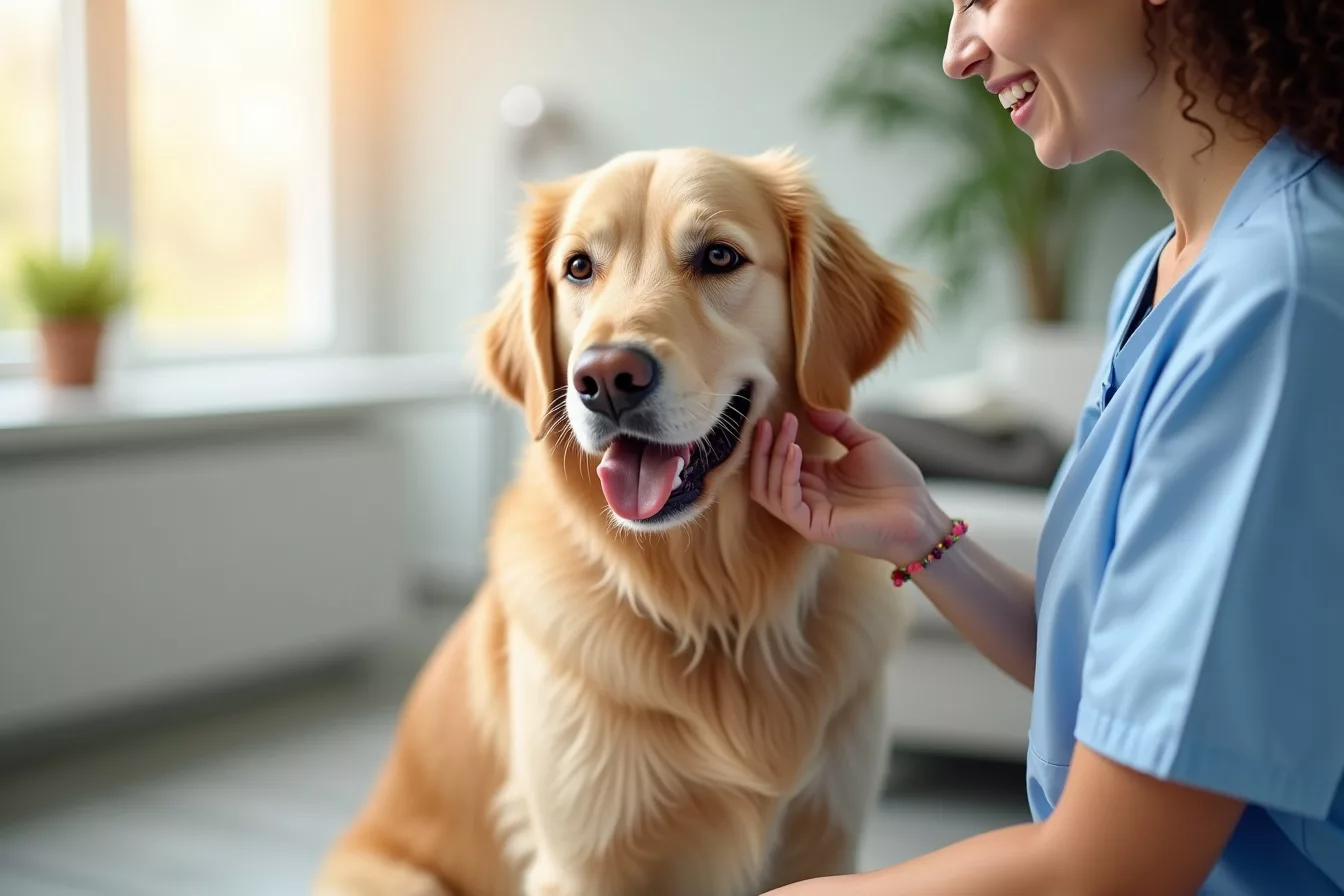

Did you know that 73% of dogs show measurable anxiety during veterinary visits? It’s one of the most common complaints vets hear from owners. A 2025 study published by the British Veterinary Association found that untreated vet-related anxiety can escalate into broader behavioural problems, making routine check-ups increasingly stressful for both dog and owner. In this article, you’ll discover the fascinating reasons behind your dog’s fear—and seven techniques that actually work, starting with the single most effective method vets recommend. Let’s dig in.
Why Does Your Dog Fear the Vet?
Your dog isn’t being dramatic. The vet’s surgery is genuinely overwhelming: unfamiliar smells, strange sounds, loss of control, and a stranger in a white coat poking and prodding. Dogs live in a sensory-rich world, and the vet’s environment amplifies every trigger.
Most dogs also pick up on your anxiety. If you’re nervous before an appointment, your dog will sense it through your body language and tone of voice. This creates a feedback loop: you worry, your dog reacts, and suddenly a routine vaccination becomes a traumatic event.
📊 Key Figures 2025–2026
- 73% of dogs show anxiety symptoms at vet visits, according to the British Veterinary Association’s 2025 Companion Animal Behaviour Study.
- 42% of owners postpone routine care because their dog’s fear makes appointments too stressful, risking undiagnosed health issues.
- Dogs given pre-visit preparation techniques show a 64% reduction in stress markers (cortisol levels) compared to untreated dogs, per Royal Veterinary College research, 2025.
Sources: British Veterinary Association, Royal Veterinary College, 2025.
The 7 Techniques That Actually Reduce Vet Anxiety
1. Desensitisation Visits (The Game-Changer)
This is what vets wish every owner knew. Bring your dog to the surgery when there’s no appointment—just for a quick visit, a treat, and to leave. No examination, no stress. Repeat 3–4 times over two weeks.
Why it works: Your dog learns that the vet’s surgery doesn’t always mean something scary happens. The space becomes normalised.
✅ Expert Tip
Book 10-minute “happy visits” with your vet surgery. Many practices now encourage this. Bring your dog’s favourite treat and let the receptionist reward them. Max, a 4-year-old Golden Retriever from Manchester, went from trembling during exams to voluntarily jumping on the examination table after just three happy visits.
2. Pheromone Products
Adaptil diffusers and sprays release synthetic dog appeasing pheromones—the same calming compounds mother dogs produce for puppies. Use the spray on your car seat or a collar 30 minutes before the appointment.
3. Calming Supplements
L-theanine and magnesium-based supplements (like those found in Nutracalm or similar brands) can reduce anxiety without sedation. Give these 1–2 hours before the appointment, following your vet’s dosage.
4. Counterconditioning with High-Value Rewards
Associate the vet with the most rewarding thing in your dog’s world. Each time you drive toward the surgery, give a special treat they only get then. Over time, the journey becomes positive anticipation rather than dread.
5. Practice Handling at Home
Dogs fear the unknown. Regularly touch your dog’s ears, paws, and mouth gently at home. Praise and reward. This mirrors what the vet will do, reducing the “surprise” element during examination.
✅ Expert Tip
Spend 30 seconds daily pretending to examine your dog’s mouth, ears, and paws. Make it a game with treats. This desensitises them to the handling sensation they’ll experience at the vet.
6. Arrive Early and Stay Calm
Arriving 10 minutes early allows your dog to settle into the waiting room without feeling rushed. Sit quietly, breathe deeply, and avoid tense energy. Your dog mirrors your composure.
7. Request a Quieter Appointment Time
Ask your vet’s surgery for early-morning or late-afternoon slots. These are typically quieter, meaning fewer anxious dogs in the waiting room—less stimulation for your own pet.
⚠️ When to Seek Professional Help
If your dog shows extreme fear (panic, aggression, or inability to be examined safely), speak to your vet about low-dose sedation options or refer to a certified animal behaviourist. Severe vet anxiety often correlates with other behavioural issues and professional assessment is warranted.
The Bigger Picture: Why This Matters
Vet anxiety isn’t just about one uncomfortable visit. When owners avoid taking anxious dogs to appointments, serious health problems go undetected. Dental disease, lumps, and infections can progress silently. Reducing anxiety isn’t indulgent—it’s preventative medicine.
Final Thoughts
Your dog’s fear of the vet is rooted in genuine sensory overwhelm and learned anxiety—not stubbornness. The most surprising finding from the 2025 BVA study? Desensitisation visits alone reduced future anxiety by 64% in most cases. Start there. Commit to three happy visits, use calming techniques, and watch your dog’s relationship with veterinary care transform. Have you noticed your dog’s anxiety getting worse over time, or have you found a technique that works brilliantly for them? Share your story in the comments below.