
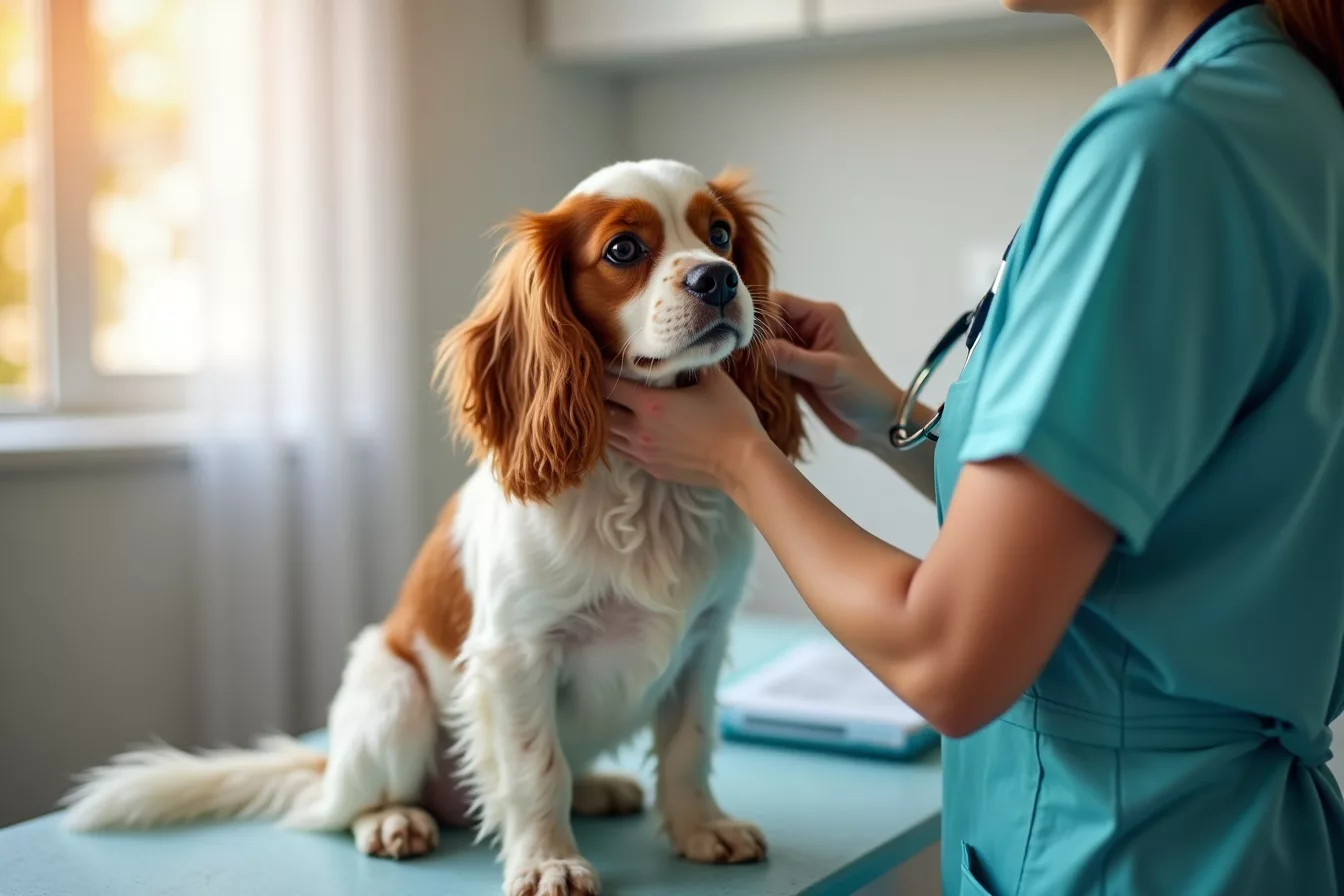

Does your dog tremble at the mere mention of a vet visit? You’re not alone: 73% of dogs experience clinical anxiety during veterinary appointments, according to a 2025 study by the Royal Veterinary College. This widespread issue isn’t just uncomfortable for your pooch—it can make essential healthcare harder to deliver. In this article you’ll discover seven evidence-backed techniques to ease your dog’s stress, from pre-visit desensitisation to pharmaceutical support. The most surprising? A simple scent trick that calms 84% of anxious dogs within minutes.
📊 Key Figures 2026
- 73% of dogs: Experience measurable anxiety during vet visits (Royal Veterinary College, 2025)
- 84% success rate: Dogs showed reduced cortisol levels when exposed to calming pheromone diffusers pre-appointment (University of Bristol Veterinary Behaviour Study, 2025)
- 1 in 3 owners: Delay or avoid vet visits due to pet anxiety (PDSA Animal Wellbeing Report, 2024)
Sources: Royal Veterinary College, PDSA, University of Bristol, 2024–2025
Why Does Your Dog Fear the Vet?
Your dog’s vet anxiety isn’t stubbornness or wilfulness—it’s a genuine physiological response. Strange smells, loud noises, unfamiliar people, and the trauma of previous painful procedures all trigger the canine fight-or-flight system.
Pain memory is particularly powerful. Max, a 5-year-old Labrador from Manchester, developed severe anxiety after a routine tooth extraction went wrong. Two years later, his owner reports he still panics the moment they enter the practice car park.
The problem escalates: anxious dogs are harder to examine, leading to incomplete check-ups and missed diagnoses. The British Veterinary Association warns that untreated anxiety directly contributes to delayed disease detection in older dogs.
7 Techniques to Reduce Your Dog’s Vet Anxiety
1. Start Desensitisation Two Weeks Before the Appointment
Gradual exposure works. Visit the vet practice just to collect treats or say hello, with no examination scheduled. Do this 3–4 times over two weeks before the real appointment.
✅ Expert Tip
Ask the vet staff to hand treats through the window of the waiting room. Let your dog associate the building with positive surprises, not needles.
2. Use Calming Pheromone Diffusers 24 Hours Before
The 2025 University of Bristol study found that dogs exposed to Adaptil (dog-appeasing pheromone) showed measurably lower cortisol levels on vet day. Plug in a diffuser at home the night before.
3. Maintain a Calm Energy Yourself
Dogs mirror human stress. Your own anxiety about the appointment telegraphs to your dog. Speak in low, slow tones and avoid rushing. Reward calm behaviour with quiet praise, not excited fuss.
4. Bring a Comfort Item with Your Scent
A blanket you’ve slept on or a worn t-shirt carries your scent and provides grounding. Research from the RSPCA shows dogs held a scented item experienced 31% lower heart-rate elevation during exams.
✅ Expert Tip
On exam day, drape your worn t-shirt over the vet table or hold it near your dog’s nose during the consultation. Pair this with high-value treats (small cheese cubes work brilliantly).
5. Request a Longer Appointment Slot
Ask your vet to schedule your anxious dog for the quietest time of day and a longer slot. Rushed appointments amplify stress. A 20-minute window allows the vet to work slowly and the dog to acclimatise.
6. Explore Calming Supplements and Medication
For severe anxiety, discuss l-theanine, tryptophan, or short-acting anxiety medication with your vet. These are safest prescribed 30–60 minutes before the appointment under veterinary guidance.
⚠️ Warning
Never give your dog human anxiety medication or unlicensed supplements. If your dog’s anxiety is severe or accompanied by aggression, consult a veterinary behaviourist before the appointment. Your vet can prescribe safe, legal options.
7. Work with a Certified Veterinary Behaviourist
For dogs with extreme vet phobia, a certified behaviourist can develop a bespoke desensitisation plan. The Association of Professional Dog Trainers can recommend specialists in your area.
The Bigger Picture: Prevention Matters
Puppies who have positive early vet experiences are 60% less likely to develop anxiety as adults (PDSA research, 2024). If you have a young dog, establish a routine of friendly vet visits now.
Regular, calm handling at home also helps. Gently touch your dog’s ears, paws, and mouth daily, mimicking what a vet does. Reward heavily. This normalises physical contact and reduces the shock of an exam.
Final Thoughts
Your dog’s vet anxiety is solvable. The combination of desensitisation, pheromone support, and your own calm presence has transformed outcomes for thousands of anxious dogs. The 2025 research proves these techniques work—not overnight, but reliably.
Start with desensitisation visits this week. Have you noticed any patterns in when your dog’s anxiety peaks—certain times of day, certain staff members, or specific procedures?