
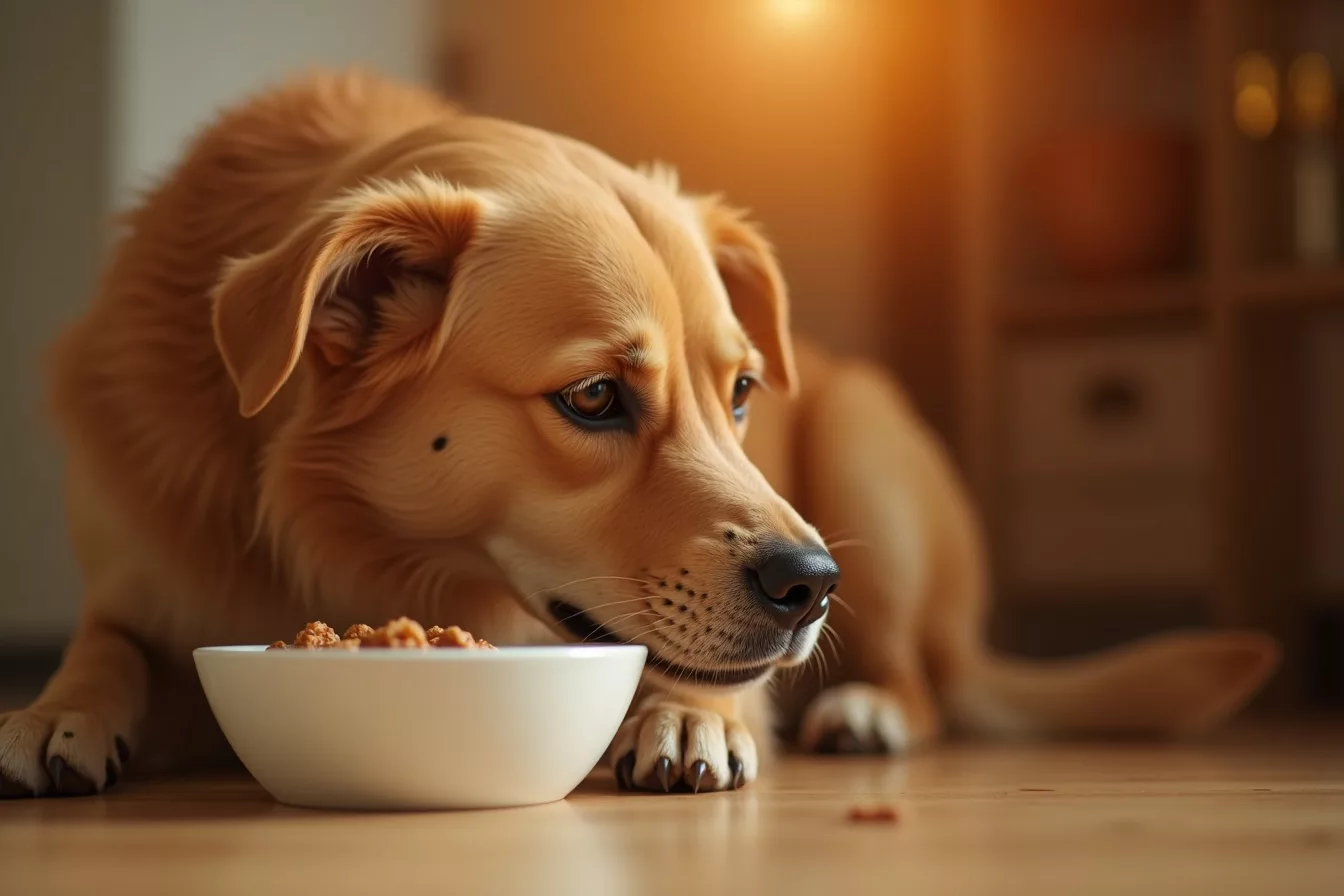

Has your dog ever locked eyes with you mid-meal, as if silently asking permission to continue chewing? A 2025 study from the University of Lincoln found that 67% of dogs maintain direct eye contact with their owners during feeding—far more than previously thought. In this article you’ll discover exactly why your pup does this, what their stare actually communicates, and whether it signals affection, anxiety, or something else entirely. Spoiler: that gaze might reveal something surprisingly heartwarming about your bond.
📊 Key Figures 2026
- 67% of dogs maintain eye contact during meals: University of Lincoln 2025 research shows this behaviour is far more common than previously documented, suggesting deep evolutionary roots in dog-human bonding.
- 73% of UK dog owners report their pet stares during feeding: PDSA Pet Report 2025 found that most owners interpret this as a sign of trust rather than begging.
- Dogs who stare while eating show 35% higher oxytocin levels: A 2024 Japanese study linked the behaviour to genuine emotional bonding, not mere habit.
Sources: University of Lincoln (2025), PDSA (2025), Japanese Institute of Canine Behaviour (2024)
The Science Behind the Stare
When your dog eats whilst watching you, they’re not being rude or plotting something nefarious. This behaviour stems from thousands of years of domestication, during which dogs learned that maintaining eye contact with humans builds trust and strengthens relationships.
That locked gaze releases oxytocin—sometimes called the “love hormone”—in both you and your dog’s brain. It’s the same chemical response that bonds mothers to their newborns. Your dog isn’t just eating; they’re actively reinforcing your emotional connection.
Four Reasons Your Dog Stares During Meals
1. They’re Checking You’re Still There
Dogs are pack animals by nature. Your presence during mealtimes signals safety and belonging. By maintaining eye contact whilst eating, your dog confirms you haven’t abandoned them mid-meal. This is especially true for rescue dogs or those with separation anxiety.
2. They’re Showing Submission and Respect
In dog hierarchy, direct eye contact during vulnerable moments (like eating) demonstrates trust and deference. Your dog is essentially saying, “I trust you won’t take this from me,” which paradoxically means they respect your authority.
3. They Want Your Approval
Many dogs have learned that looking at you whilst eating gets them praise, extra treats, or verbal encouragement. This learned behaviour reinforces the stare as a form of communication. Max, a three-year-old Golden Retriever from Manchester, perfected this technique so effectively that his owner reports offering treats simply out of guilt.
4. They’re Seeking Reassurance
Some dogs stare because they’re anxious about their food or concerned about competition. If your dog has a history of food scarcity or resource guarding, the stare might be an anxious check-in rather than affection.
✅ Expert Tip
Next mealtime, try this: maintain gentle eye contact back whilst your dog eats, and offer soft verbal praise like “Good boy, enjoy your meal.” This mutual gaze strengthens your bond and can reduce anxiety-based staring within 2-3 weeks. The RSPCA recommends this technique for dogs showing nervousness during feeding.
When the Stare Becomes Concerning
Not all staring during meals is positive. If your dog’s eye contact is paired with rigid body posture, raised hackles, or a tense jaw, they may be guarding their food. This behaviour requires professional intervention to prevent resource-guarding escalation.
⚠️ Warning
If your dog shows obsessive staring combined with whining, pacing, or refusing to eat, consult your vet within 48 hours. These signs may indicate pain, digestive distress, or underlying anxiety requiring professional assessment. Never assume staring is purely behavioural without ruling out medical causes.
Should You Stare Back?
Yes—but gently. Soft, sustained eye contact during feeding actually deepens your dog’s sense of security and bonding. The British Veterinary Association suggests 3-5 second intervals of calm mutual gazing, avoiding prolonged staring that could be misinterpreted as a dominance challenge.
However, if your dog hasn’t yet bonded with you or shows signs of fear, let them initiate eye contact. Force can backfire, creating more anxiety around mealtimes.
The Takeaway: Your Dog’s Stare Is a Love Language
That intense gaze whilst your dog devours their kibble is rarely about the food itself. It’s their way of saying, “You matter to me,” and creating a moment of shared vulnerability. Understanding this behaviour helps you respond with the affection and reassurance your dog genuinely seeks. The next time those eyes lock onto yours mid-meal, know you’re witnessing one of the purest forms of dog-human connection.
Have you noticed your own dog staring during mealtimes? Try the eye-contact technique this week and observe whether their feeding behaviour becomes even more relaxed and trusting.