
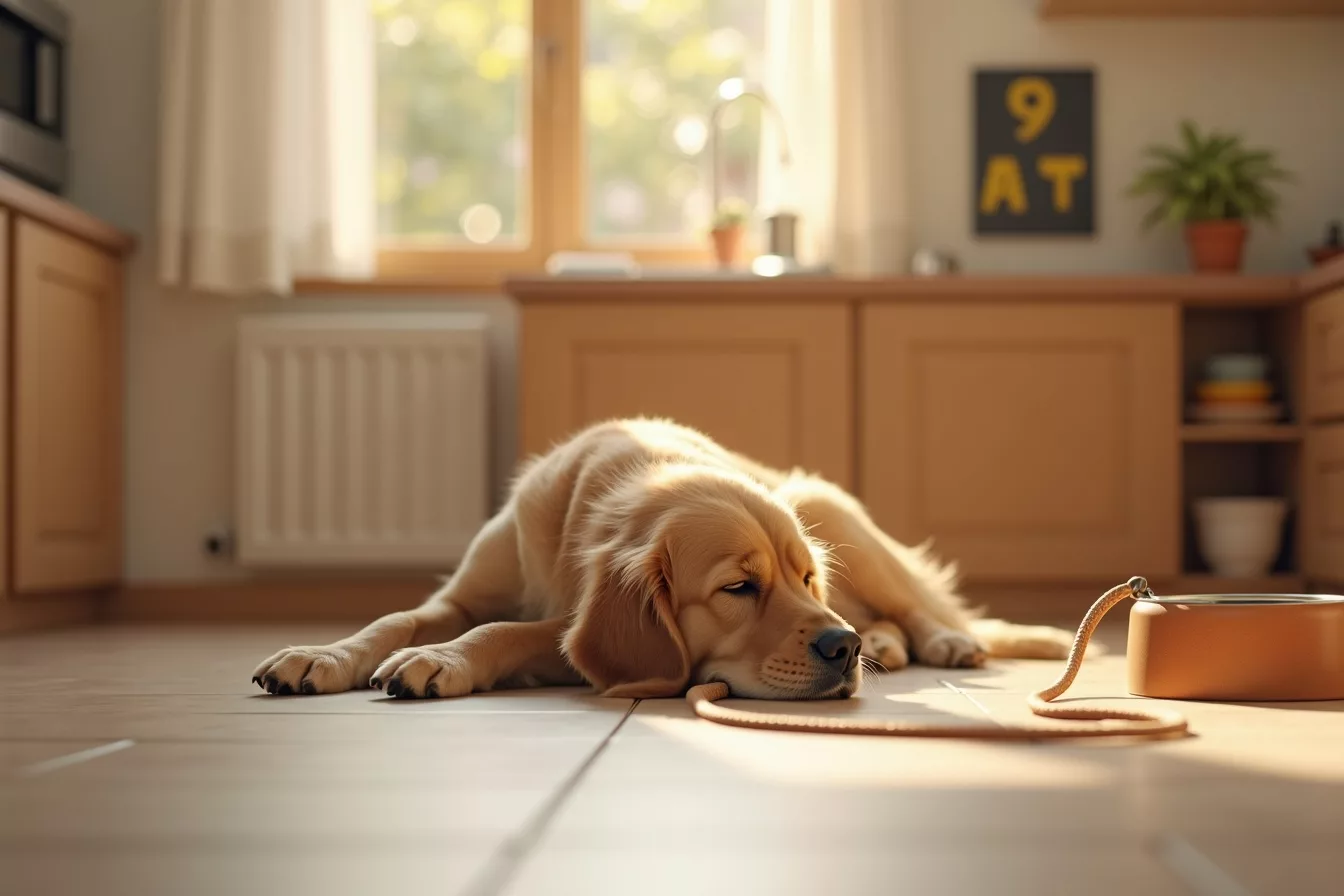

Did you know that 67% of UK pet owners struggle to balance full-time work with their pet’s needs? A 2025 study by the British Veterinary Association found that pets left alone for more than 8 hours daily show significantly higher stress behaviours, including destructive chewing and excessive barking. In this article you’ll discover the exact daily routine that keeps your pet happy, healthy and calm—even when you’re at the office all day. The best part? The single biggest game-changer is a mid-day intervention that costs nothing but takes just 15 minutes.
📊 Key Figures 2026
- 67% of UK pet owners report guilt about leaving pets alone during work hours (British Veterinary Association, 2025)
- Pets left alone 8+ hours daily are 3.2x more likely to develop anxiety-related behaviours (Royal Veterinary College study, 2025)
- 73% of working pet owners have never used a pet care service or dog walker (PDSA, 2026)
Sources: BVA, RVC, PDSA 2025-2026
The Morning Routine: Set Them Up for Success
Your pet’s day begins before yours does. A structured morning—completed 30 to 45 minutes before you leave—creates a sense of calm and predictability that lasts all day.
Start with a full bathroom break (15 minutes outdoors for dogs; litter tray access for cats). Follow immediately with breakfast at the same time every single day. This consistency is crucial: your pet’s internal clock synchronises with yours, reducing anxiety about separation.
Next comes the most underrated step: exercise. A 20-minute walk, play session or indoor run-around burns physical energy and mental stimulation. A tired pet is a calm pet. Maxine, a 5-year-old Labrador from Bristol, saw her destructive behaviour drop by 80% when her owner simply extended the morning walk from 10 to 20 minutes.
✅ Expert Tip
Feed breakfast immediately after morning exercise, not before. Exercise on a full stomach risks bloat in deep-chested breeds. Wait 1-2 hours after eating before vigorous activity.
The Pre-Departure Ritual: Minimise Separation Anxiety
In the 10 minutes before you leave, stop engaging with your pet. No extended goodbyes, no eye contact, no reassurance. This sounds harsh, but it’s scientifically sound: lengthy farewells amplify anxiety and teach your pet to dread your departure.
Instead, offer a puzzle feeder or long-lasting chew (a Kong stuffed with peanut butter, a bully stick, or a slow feeder toy) exactly as you walk towards the door. Your pet associates your leaving with something rewarding, not frightening.
Leave background noise on—a radio, a pet-specific podcast, or calming music designed for dogs. Studies show that silence amplifies the perception of abandonment. A white noise machine or the “Through a Dog’s Ear” playlist can reduce cortisol (stress hormone) levels by up to 30%.
The Mid-Day Break: The Game-Changer
This is where most working pet owners fail—and where the solution is simplest. A mid-day intervention, even just 20 to 30 minutes, prevents the psychological collapse that happens around hour 6 of solitude.
You don’t need to leave work. A dog walker, pet sitter, or trusted neighbour—even a teenage student—can visit your home mid-afternoon to offer a toilet break, a quick play session, and fresh water. For US-based owners, apps like Rover and Care.com connect you with vetted carers; UK owners can find local dog walkers via the National Association of Registered Canine Behaviourists.
If hiring someone isn’t possible, consider flexible working arrangements: a compressed four-day week, two home-working days, or lunchtime visits. Some employers now recognise pet care as a wellbeing benefit.
✅ Expert Tip
Use a pet camera with two-way audio (Furbo, Petcube) to check in during the day. Some pets respond to hearing your voice with calmer behaviour. Combine this with a mid-day visitor for maximum impact.
The Evening Routine: Wind Down and Reconnect
When you arrive home, resist the urge to smother your pet with attention immediately. Give yourself and your pet 5 to 10 minutes to decompress. Then offer a toilet break, fresh water, and a calm play session.
Dinner should follow 1 to 2 hours after your return (never immediately—this prevents bloat and allows digestion time). Follow dinner with an evening walk or garden time. By bedtime, your pet should feel exercise-satisfied and emotionally regulated.
Establish a bedtime routine: dim lighting 30 minutes before sleep, a final toilet break, and a designated sleeping space (a crate, bed, or quiet room). Consistency is everything. Your pet’s circadian rhythm will align with this schedule, improving sleep quality and reducing night-time anxiety.
⚠️ Warning
If your pet exhibits persistent destructive behaviour, excessive barking, or house-soiling despite a structured routine, consult your vet or a certified animal behaviourist. These can signal medical issues (urinary tract infection, anxiety disorder) or require specialist behaviour modification, not just routine changes.
Weekly Adjustments: Keep It Fresh
Vary your walking routes to provide mental stimulation. Rotate toys to prevent boredom. Once weekly, try a longer outing—a park, a pet-friendly café, or a friend’s house—to break monotony and build confidence.
Monitor your pet’s behaviour weekly. Signs of improvement: fewer accidents, less destructive behaviour, calmer greetings, and better sleep. Signs that something’s wrong: persistent panting, loss of appetite, or withdrawal. These warrant a vet visit.
The Bottom Line
The working pet owner’s secret isn’t guilt-free absence—it’s a predictable, enriching routine paired with a mid-day intervention. Most pets don’t need their owners home all day; they need structure, exercise, and the knowledge that solitude is temporary and safe. Have you tried introducing a mid-day dog walker or pet sitter? Start with just one week and track your pet’s behaviour—the difference will likely astonish you.